Tesla’s flying Roadster puts production delays back in focus
Tesla’s Roadster has a new trick. In a demonstration in Texas, the electric sports car used thrusters to lift off the ground, bringing technology usually associated with rockets into a car launch.
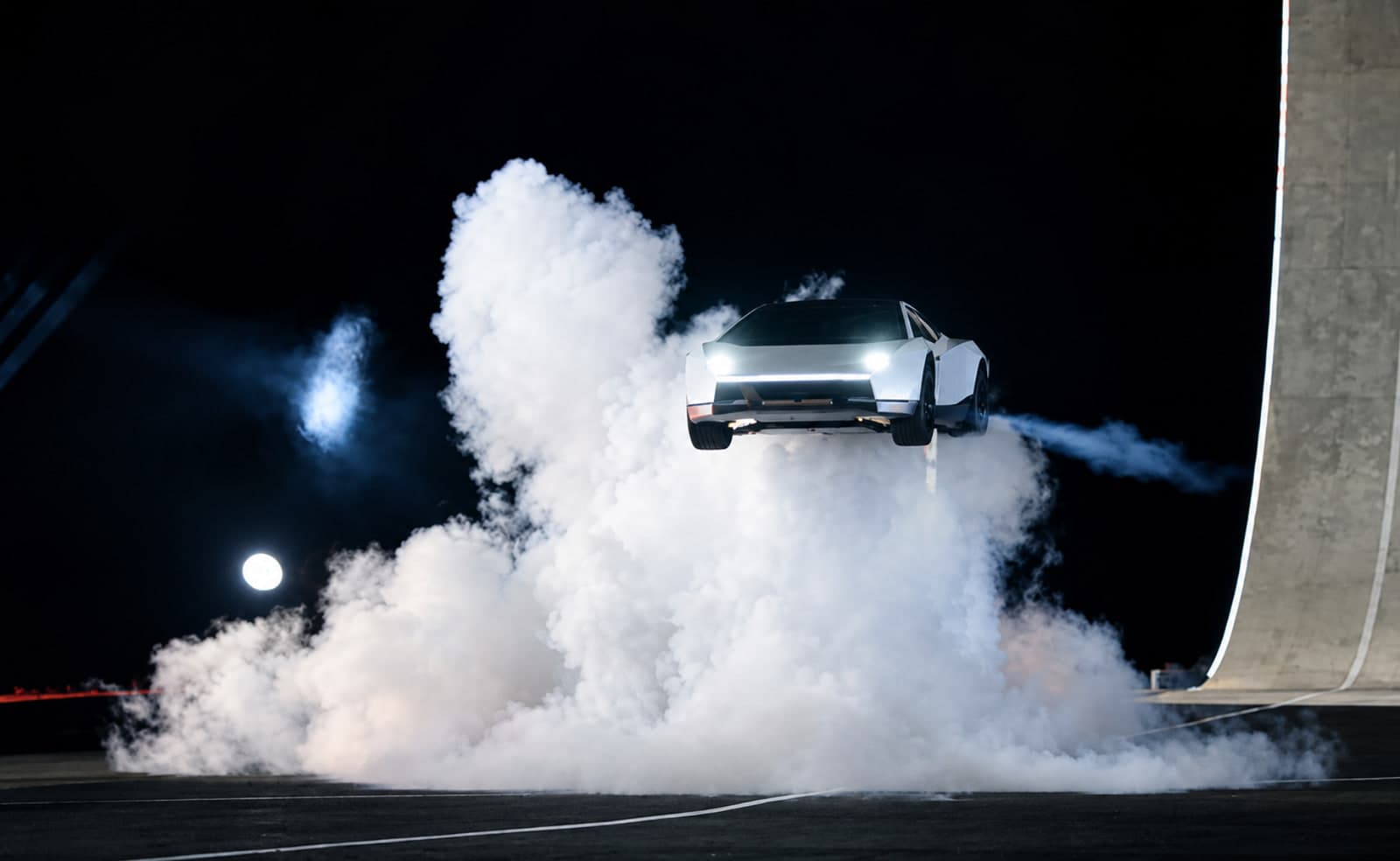
Tesla’s flying Roadster
The system comes from SpaceX, Elon Musk’s aerospace company. It is an unusual addition to a sports car, although it raises a more immediate question for people who have been waiting for the Roadster: when will Tesla actually deliver it?
AI-generated summary. It can miss nuance — read the full story above for the complete picture.
The system comes from SpaceX, Elon Musk’s aerospace company. It is an unusual addition to a sports car, although it raises a more immediate question for people who have been waiting for the Roadster: when will Tesla actually deliver it? The car was first announced in 2017. Since then, production plans have been pushed back several times. The latest demonstration gives Tesla something new to show, but it does not settle the question of when buyers will get behind the wheel.
A sports car with rocket technology
The Roadster uses cold-gas thrusters that release compressed gas to generate thrust. Tesla has presented the system as part of the car’s performance package, allowing it to perform brief airborne manoeuvres. The company has also made some striking performance claims. These include accelerating from zero to 60 miles per hour in less than a second, reaching speeds above 230mph and covering around 300 miles on a charge.
“A demonstration is not the same as a car rolling off a production line. Tesla still needs to show that the Roadster can be built consistently and delivered to customers.”
Those numbers will attract attention from sports car enthusiasts, but they still need to be judged against a finished production vehicle. The thrusters also bring practical concerns that do not come with a conventional electric car. Buyers will want to know how the system is maintained, what it costs to operate and how it affects safety. There is another question: how much of this technology will make it into the cars Tesla eventually sells?
Eight years on, buyers are still waiting
Tesla unveiled the second-generation Roadster in 2017, promising a high-performance electric car that would challenge some of the world's fastest sports cars. The long wait has become part of the story. Each new appearance brings fresh interest, but customers still need a confirmed production schedule, final specifications and a price they can make a decision on.
A demonstration is not the same as a car rolling off a production line. Tesla must still show that the vehicle can be built consistently and that its more unusual features can work reliably outside a controlled setting. For buyers paying a premium, the questions extend beyond speed. Servicing, replacement parts, reliability and the ability to use the car on public roads will matter just as much once the novelty wears off.
Will it change the electric car market?
Probably not in the way a cheaper electric vehicle would. The Roadster is aimed at a narrow market of buyers who can afford a high-performance sports car. Its thrusters are unlikely to appear in everyday Tesla models, and the company has not shown that the technology will make electric vehicles cheaper or easier to maintain.
The more interesting part is the engineering relationship between Tesla and SpaceX. One company builds electric vehicles, while the other develops rocket and propulsion technology. The Roadster gives Musk a way to bring those areas together in a product that attracts attention. Whether that work produces useful developments for other vehicles is still an open question. For most motorists, range, charging access and repair costs remain more relevant than the ability to leave the ground.
The next announcement needs to be about delivery
Tesla has spent years building expectations around the Roadster. The latest demonstration adds another feature to that story, but it does not resolve the delays. The company now needs to show what the finished car will look like, how much it will cost and when customers can expect delivery. It also needs to clarify how the thrusters will be used in practice and what restrictions may apply. For now, the Roadster is a striking demonstration of what Tesla wants to build. The more difficult job is turning it into a car that customers can buy, maintain and drive.