Absa sets aside R13.5 million for automotive training
Absa will spend R13.5 million over three years to train 600 students for South Africa’s automotive industry, with a focus on skills needed as the sector moves towards new energy vehicles.
Absa
Absa will spend R13.5 million over three years to train 600 students for South Africa’s automotive industry, with a focus on skills needed as the sector moves towards new energy vehicles.
AI-generated summary. It can miss nuance — read the full story above for the complete picture.
Absa will spend R13.5 million over three years to train 600 students for South Africa’s automotive industry, with a focus on skills needed as the sector moves towards new energy vehicles. The money will go through the Absa Group CSI Trust to support naamsa’s Dreams Academy. The commitment was announced during South African Auto Week in Durban on 13 October.
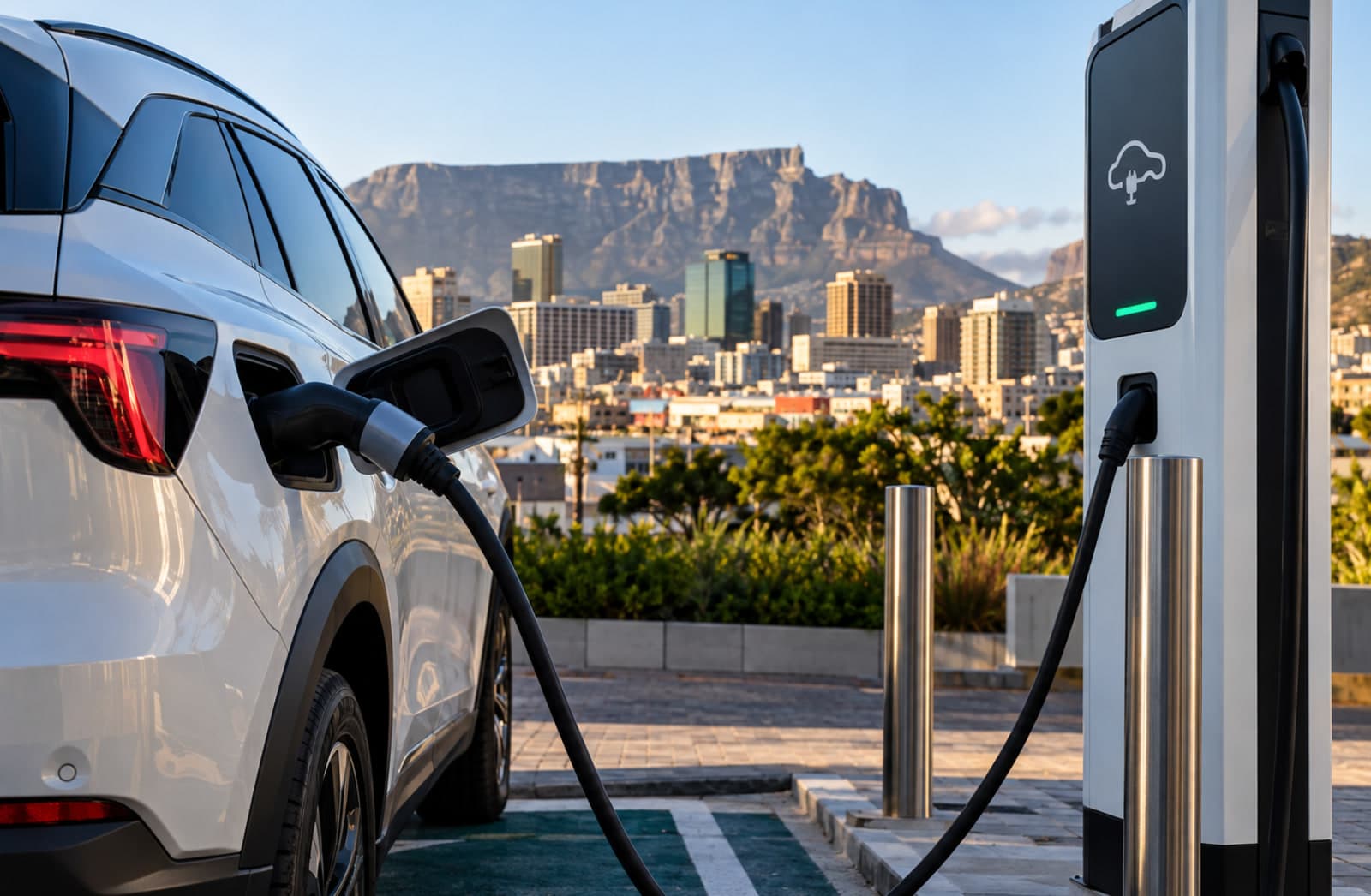
The funding comes as the industry faces changes in the vehicles it produces and the skills needed to maintain them. Electric vehicles, for example, require technicians who understand high voltage systems and can work on them safely. For South Africa, the challenge is not just attracting investment in new vehicle technology. It also needs people who can do the work, whether in a factory, dealership or workshop.
What will students learn?
“The next details to watch are which skills the programme will teach and whether graduates find work in the sector.”
The announcement sets a target of 600 students over three years, but the details remain limited. Absa and naamsa have not publicly set out the individual courses, how students will be selected or how many are expected to secure jobs after training. Those details matter to young people deciding whether to enter the industry, as well as employers looking for staff with specific technical skills.
A workshop servicing electric vehicles needs different equipment and training from one working mainly on petrol and diesel models. Manufacturers and component suppliers also need workers who can adapt as production methods and vehicle technology change.
Smaller businesses will feel the changes too
The shift towards new energy vehicles is not only a concern for major manufacturers. Independent repair shops, parts suppliers and other smaller businesses will also have to consider what the changes mean for their operations. Some may need to train existing staff. Others may have to invest in diagnostic equipment or develop relationships with suppliers that understand newer vehicle systems.
These costs can be difficult for a small business to absorb, particularly if demand for the new services is still uncertain. Absa’s announcement is aimed at student training through the Dreams Academy. It does not include a direct funding offer for workshops or automotive SMEs. For now, the commitment gives the industry a training target. The next details to watch are which skills the programme will teach, which employers will be involved and whether graduates find work in the sector. Without that information, the R13.5 million figure tells only part of the story.