South Africa Gets an EV Association as Industry Pushes for Wider Electric Vehicle Adoption
South Africa has another industry body focused on electric vehicles, at a time when carmakers are bringing more electric models to the local market but prices remain too high for many motorists.
South Africa’s EV
South Africa has another industry body focused on electric vehicles, at a time when carmakers are bringing more electric models to the local market but prices remain too high for many motorists.
The South African Electric Mobility Association (SAEMA) launched on 12 October, bringing together businesses involved in electric vehicles, charging infrastructure and related services. The group includes vehicle retailers, charging providers, infrastructure operators and investors.
AI-generated summary. It can miss nuance — read the full story above for the complete picture.
South Africa has another industry body focused on electric vehicles, at a time when carmakers are bringing more electric models to the local market but prices remain too high for many motorists. The South African Electric Mobility Association (SAEMA) launched on 12 October, bringing together businesses involved in electric vehicles, charging infrastructure and related services. The group includes vehicle retailers, charging providers, infrastructure operators and investors.
SAEMA wants to represent the industry in discussions with government on policies and regulations affecting electric mobility. It has also signed a memorandum of understanding with the Norwegian Electric Vehicle Association to draw on Norway's experience of getting motorists to switch to electric cars. The timing matters for South Africa's automotive industry. More electric models are arriving, but motorists still have to weigh up the purchase price, access to charging and whether an electric car suits their daily travel.
Norway has a different starting point
“For electric vehicles to appeal to more South Africans, the car, charging arrangements and overall cost of ownership must make sense together.”
The partnership with Norway gives SAEMA access to experience from a country where electric vehicles dominate new car sales. Figures presented at the South African association's launch put battery-electric vehicles at about 98% of new-car sales in Norway. South Africa remains far behind, with fully electric vehicles accounting for only a small portion of new vehicle sales. Norway's progress did not happen overnight. Government policy, incentives and charging infrastructure have all played a role in making electric cars an everyday choice for buyers.
South Africa's circumstances are different. Many households face tight vehicle budgets, while charging options vary depending on where people live and how far they travel. The local market also includes buyers who depend on used vehicles because new cars are already expensive. SAEMA's partnership could help the local industry understand which approaches are worth considering. However, the challenge will be finding measures that work in South Africa rather than simply repeating policies used elsewhere.
Buying an electric car is only one part of the decision
For a motorist who can charge at home, owning an electric vehicle may be relatively straightforward. Someone living in a flat without access to a charger has to plan around public charging stations instead. Long distance travel brings another consideration. Drivers need to know where they can recharge, how long it will take and whether the charging point will be available when they arrive. The same questions come up for businesses considering electric vehicles. A delivery operator, for example, has to account for vehicle prices, charging costs and the time a vehicle spends off the road. Switching a fleet also means looking at where vehicles are parked and whether the business can install charging equipment. These decisions affect more than vehicle manufacturers. Dealerships need buyers who can afford the cars, charging companies need enough demand to support their networks, and property owners may need to invest in charging facilities. SAEMA brings several of these groups into one organisation. That gives the industry a place to discuss the obstacles it faces and present its concerns to government.
The price question is still difficult to ignore
Even when motorists are interested in electric vehicles, the purchase price can end the discussion. An electric car may offer lower running costs in certain circumstances, but buyers still need to afford it upfront. The availability of more models could give consumers greater choice, but that does not automatically make electric vehicles accessible to the wider market. Buyers will also compare prices with petrol and diesel cars, including used vehicles that cost considerably less.
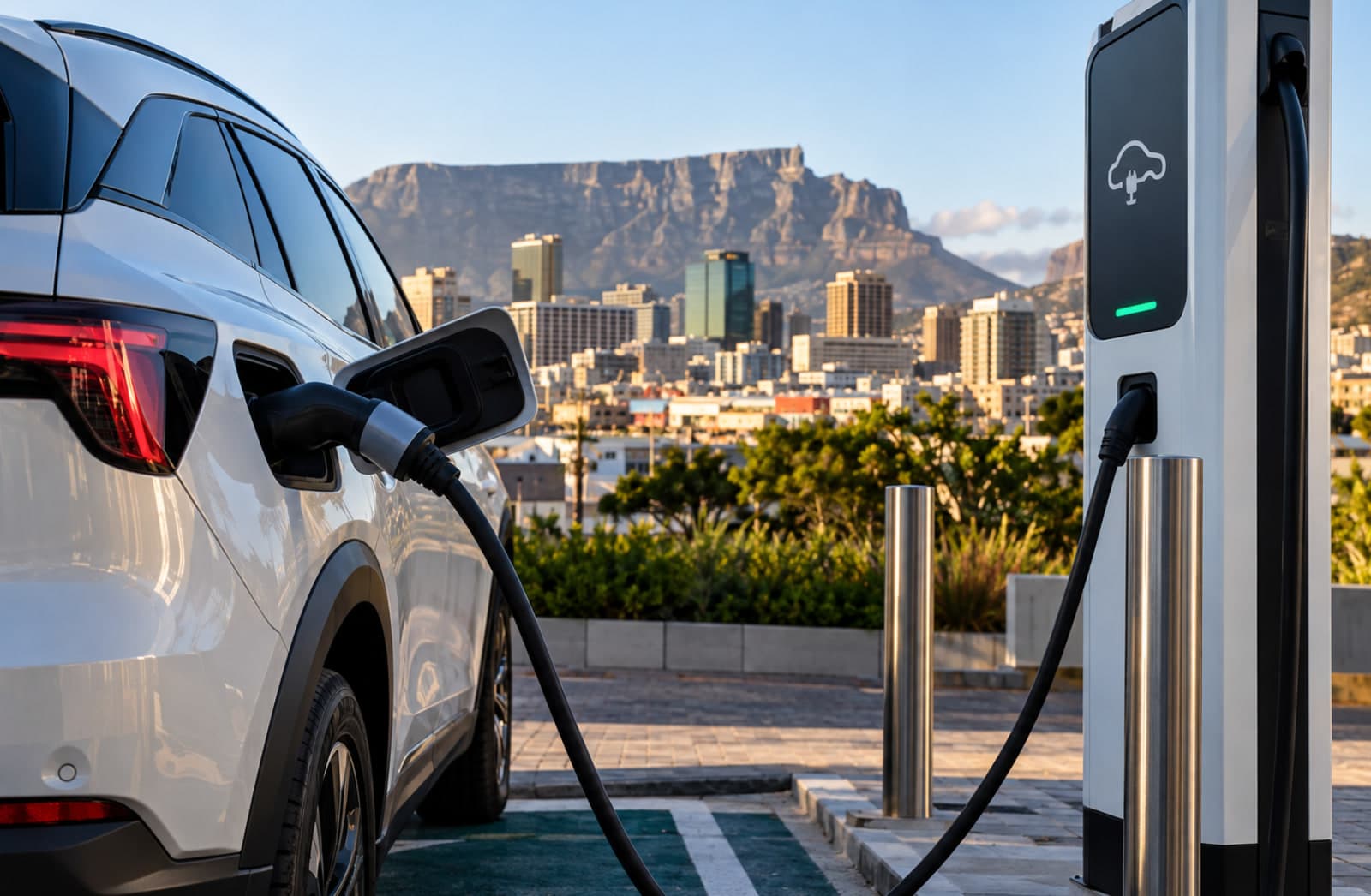
Charging infrastructure needs attention too. More stations in city centres will help some drivers, but people who live outside major urban areas or regularly travel between provinces need reliable options along their routes. For electric vehicles to appeal to more South Africans, the car, charging arrangements and overall cost of ownership must make sense together.
What SAEMA will need to deliver
The association's launch gives businesses in the electric mobility sector a shared platform. Its partnership with Norway could help inform discussions about policy, incentives and infrastructure, but the results will depend on what follows. Businesses will want greater clarity about the direction of government policy. Charging operators need conditions that support investment, while motorists need vehicles they can afford and charging options that fit their routines.
SAEMA is also looking to bring more businesses and individuals into the association. Its longer-term value will depend on whether it can represent their interests effectively and help address the problems holding back the market. South Africa does not need to match Norway's electric vehicle adoption overnight. It does need a market in which buyers have a genuine choice, businesses can justify investing in charging infrastructure and drivers can use electric cars without having to reorganise their lives around finding a place to charge. For now, SAEMA has created a platform for the industry to work together. The harder work lies in making electric mobility practical for more than a relatively small group of buyers.