Chery is bringing its Grootman bakkie to South Africa’s production lines in 2027
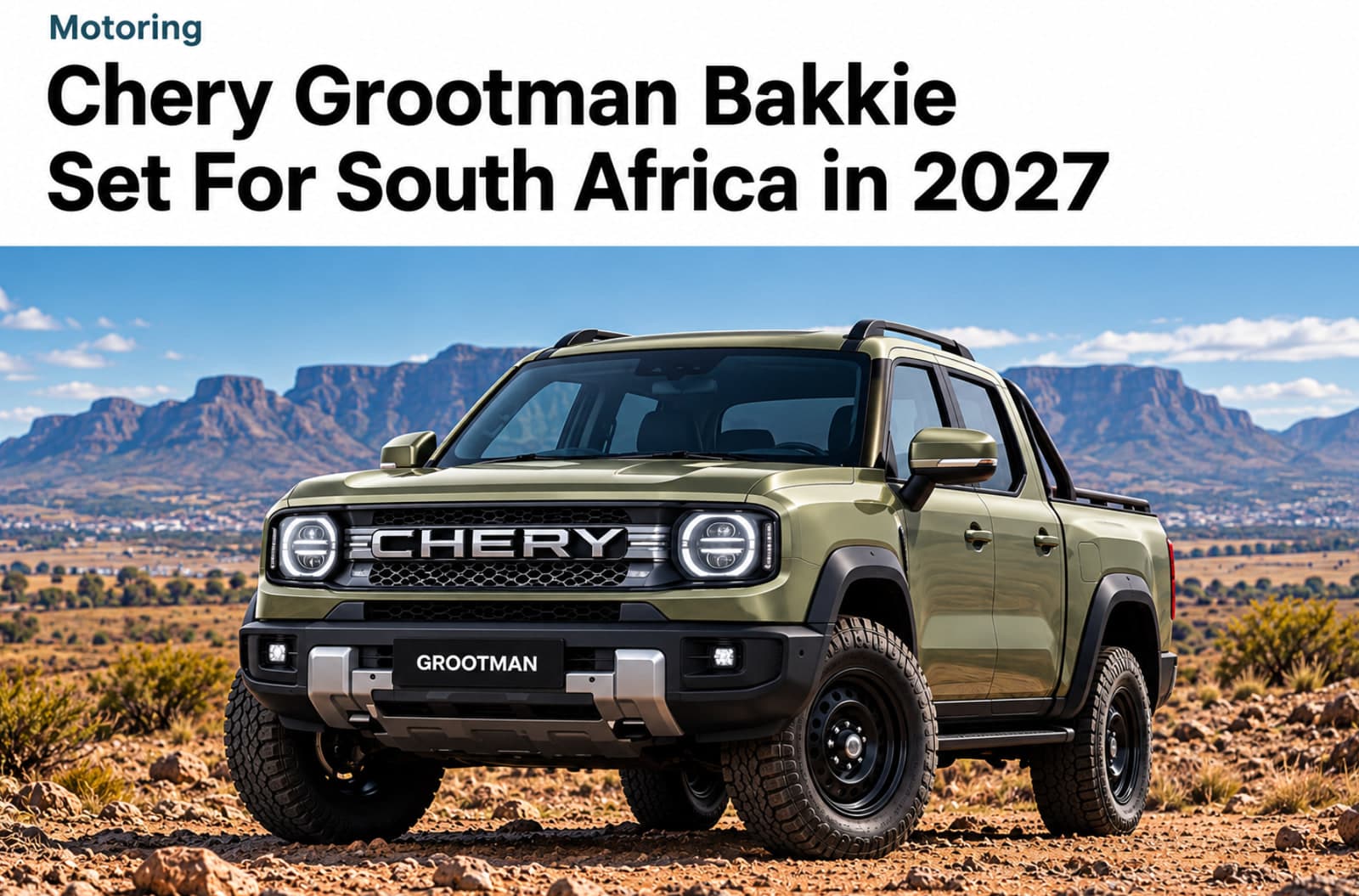
Chery is preparing to build its Grootman double-cab bakkie in South Africa from 2027, adding another Chinese automaker to the local manufacturing conversation.
Chery
Chery is preparing to build its Grootman double-cab bakkie in South Africa from 2027, adding another Chinese automaker to the local manufacturing conversation.
AI-generated summary. It can miss nuance — read the full story above for the complete picture.
Chery is preparing to build its Grootman double-cab bakkie in South Africa from 2027, adding another Chinese automaker to the local manufacturing conversation. The company has already established a presence in the passenger-car and SUV markets. The bakkie segment will be a different test. South Africans buy these vehicles for demanding work, from carrying tools and building materials to moving equipment on farms. Many also use them as family cars, which means buyers expect them to handle both jobs.
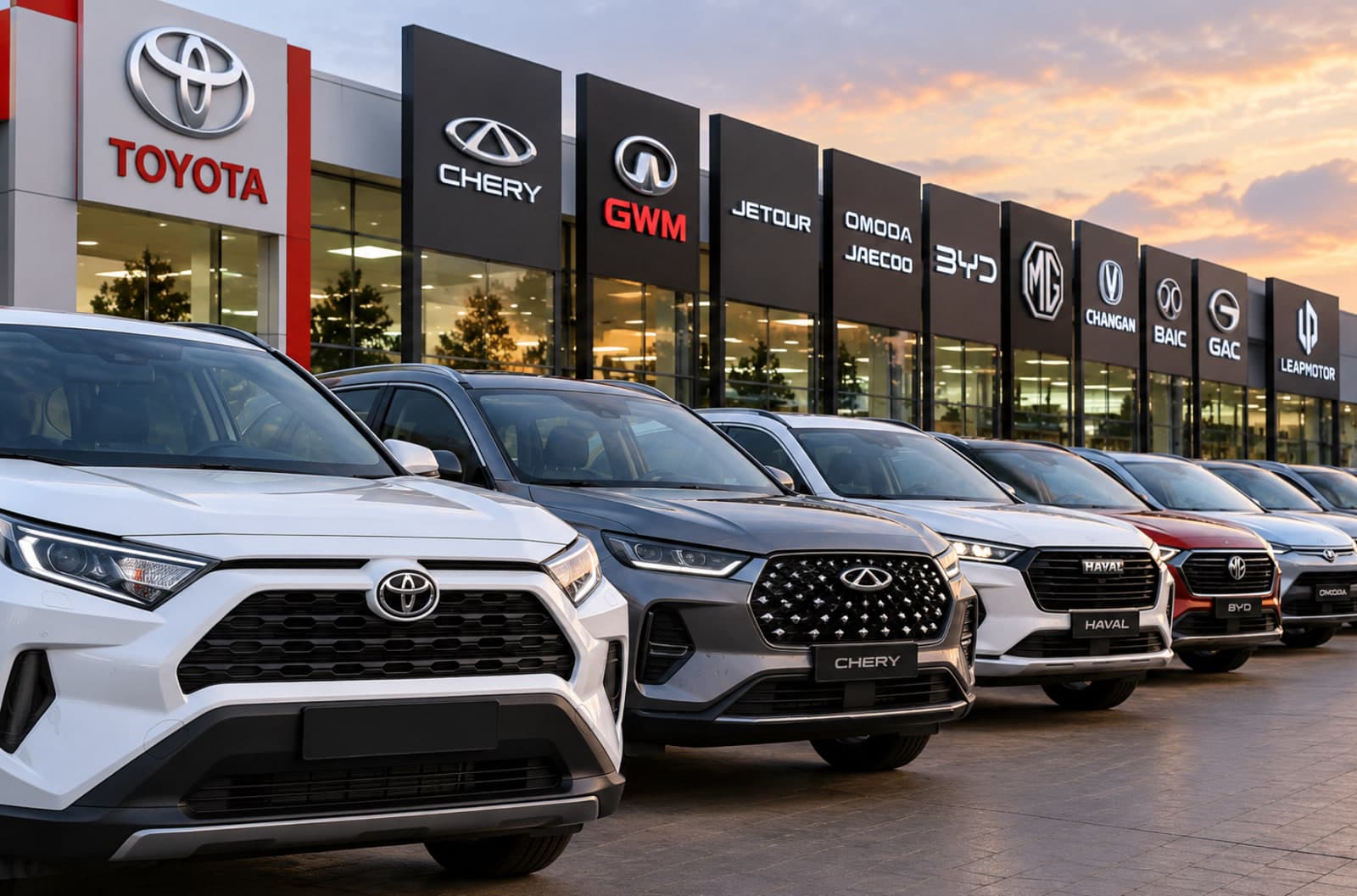
Chery will be competing against familiar names such as Toyota, Ford and Isuzu. These brands have spent years building customer loyalty, dealer networks and reputations for vehicles that can handle local conditions. The Grootman will need to make a convincing case for itself, particularly on price, durability and the cost of keeping it on the road.
What does building it locally mean?
“A contractor cannot afford to have a vehicle sitting at a workshop while waiting for parts.”
Chery's production plans could bring work for South African businesses, but the extent of that opportunity is not yet clear. A vehicle manufacturing operation can support jobs in assembly, logistics, component supply and other services. Local companies could benefit if they are brought into the Grootman's supply chain.
However, assembling a vehicle in South Africa does not mean every part is made here. The proportion of locally sourced components and the number of vehicles produced will determine how much business reaches local suppliers. Chery has not provided enough detail in the information available to establish the expected production volume, local-content levels or number of jobs associated with the project. Those figures will matter to suppliers deciding whether there is a realistic opportunity to work with the manufacturer.
Winning over bakkie owners won't be easy
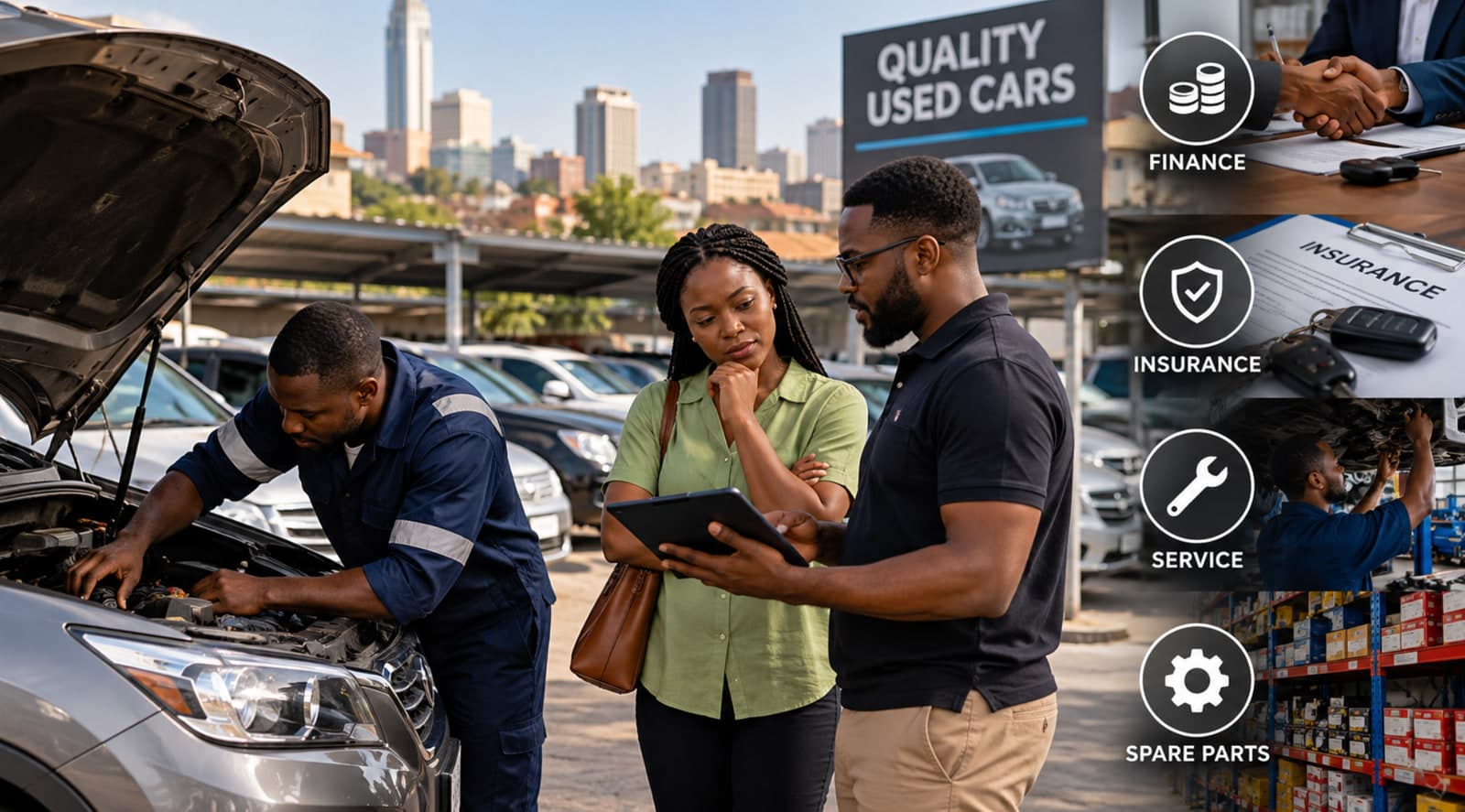
A new bakkie can attract attention, but people who depend on their vehicles for work tend to look beyond the launch-day excitement. A contractor cannot afford to have a vehicle sitting at a workshop while waiting for parts. A farmer needs something that can cope with rough roads, and a small business owner has to watch maintenance costs alongside fuel and finance repayments. This is where Chery will have to prove itself. Buyers will want to know how the Grootman handles a full load, what it costs to service and whether spare parts are readily available.
The company's existing dealership presence may give it a starting point, but commercial-vehicle buyers often have different requirements from people shopping for an SUV. Pricing will matter, particularly if Chery wants to persuade buyers to consider the Grootman instead of a model they already know.
The details to watch before 2027
The planned production date gives Chery time to share more about the vehicle and its manufacturing operation. Three details will be particularly important: where the Grootman will be built, how many units Chery expects to produce and how much local sourcing will be involved. These will help determine whether the project creates meaningful opportunities for South African manufacturers and suppliers or mainly involves assembling vehicles using imported components.
For buyers, the decision will come down to what the Grootman offers for the money and how well Chery supports it after the sale. The company has announced its intention to produce the bakkie locally from 2027. Until more information is available, the likely impact on jobs, suppliers and the wider automotive industry remains an open question.