EV Transition Exposes South Africa’s Automotive Challenges
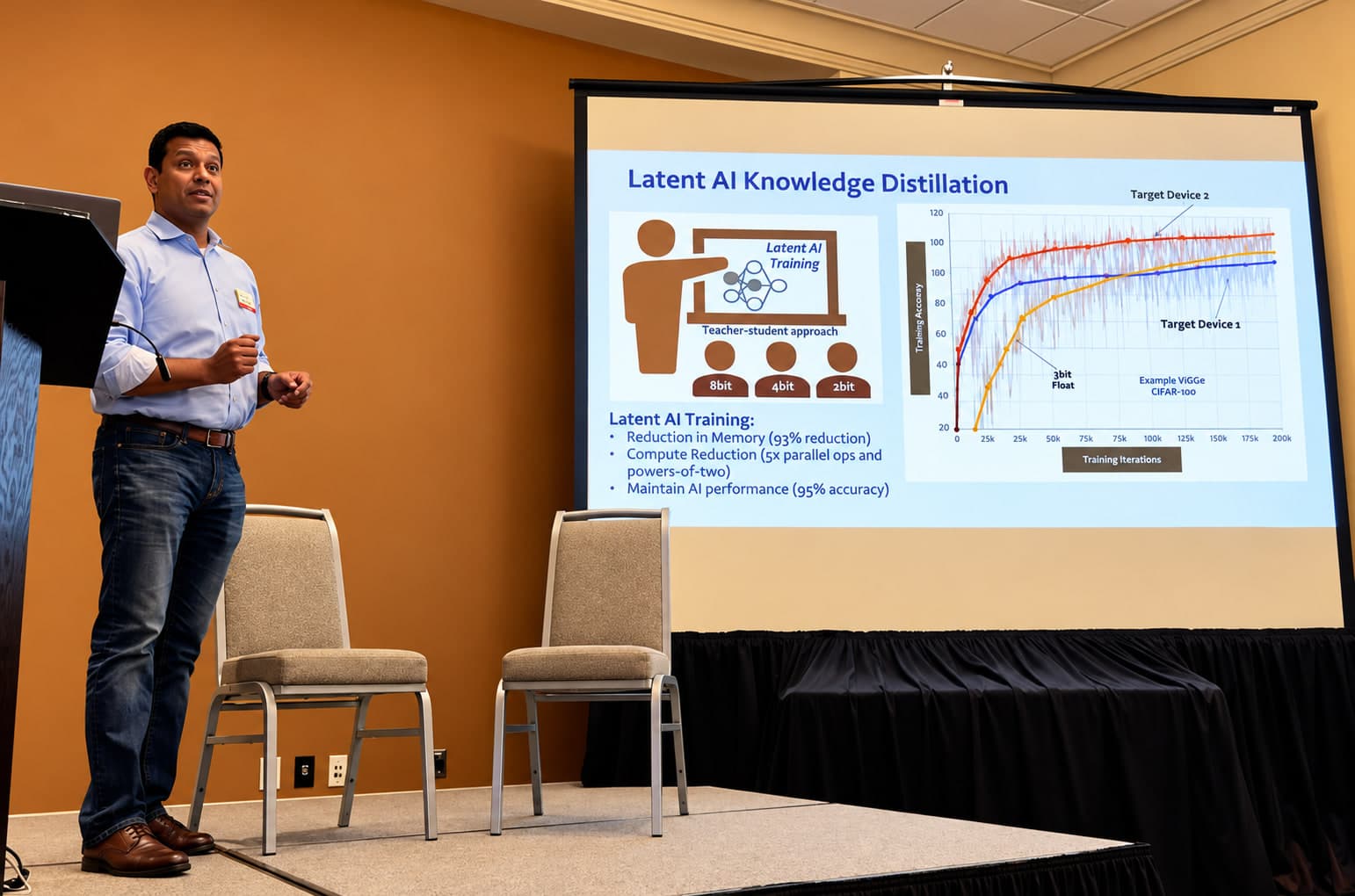
South Africa’s automotive industry can no longer afford to watch the global EV transition from the sidelines. Europe, China, and parts of North Africa are already expanding EV production and infrastructure. Local manufacturers, however, are still waiting for clear policy direction before making long-term investments. At Naamsa’s recent conference on new energy vehicles in Pretoria,
EV Transition Exposes South Africa’s Automotive Challenges
South Africa’s automotive industry can no longer afford to watch the global EV transition from the sidelines. Europe, China, and parts of North Africa are already expanding EV production and infrastructure. Local manufacturers, however, are still waiting for clear policy direction before making long-term investments. At Naamsa’s recent conference on new energy vehicles in Pretoria, frustration across the industry was hard to ignore. Manufacturers are not resisting change. The problem is that South Africa’s pace of decision-making does not match the speed of global markets.
Naamsa CEO Mikel Mabasa said the issue is bigger than moving away from petrol and diesel engines. The real concern is whether South Africa can keep its position in global vehicle manufacturing as demand shifts toward lower-emission transport.
Policy Delays Are Becoming a Bigger Problem
Manufacturers still do not have the policy certainty needed before committing billions of rand to new production lines, battery systems, and EV infrastructure. Government introduced a green paper on new energy vehicles in 2021, but the industry is still waiting for the next phase.
That delay matters more now than it did two years ago. Europe and the UK are tightening regulations around internal combustion engines. They are also preparing stricter carbon-related import measures. For South Africa, which depends heavily on vehicle exports, the pressure to adapt is growing quickly.
Other African Markets Are Already Moving Ahead
Other African countries are already moving faster. Ford Africa MD Neale Hill pointed to Morocco, Egypt, and Ghana as examples of markets attracting EV-related investment. South Africa, meanwhile, continues to struggle with electricity instability, rail freight problems, and infrastructure challenges.
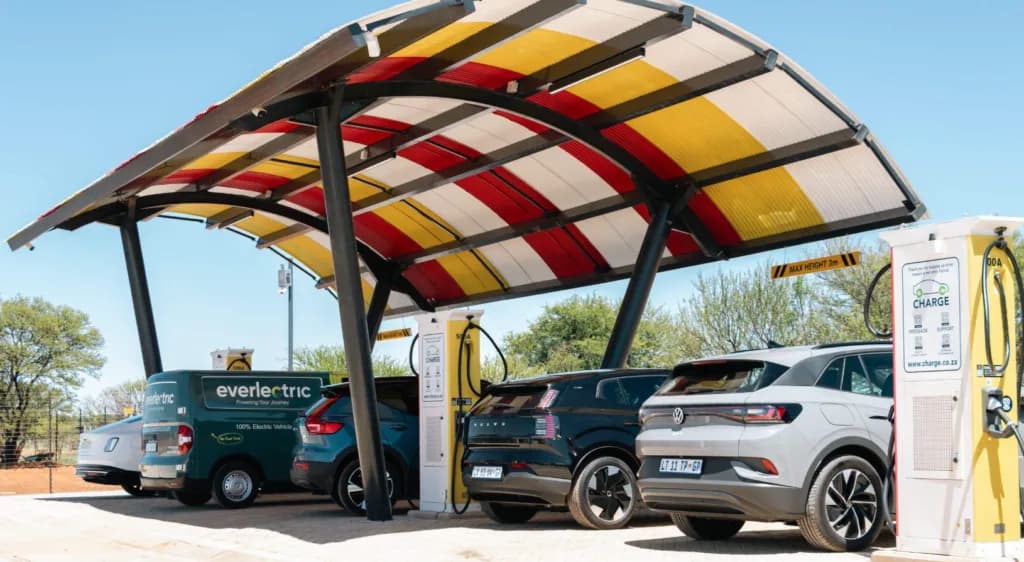
Toyota South Africa CEO Andrew Kirby said the transition will require major investment. That includes charging infrastructure, battery logistics, and local manufacturing capability. He also stressed that the private sector cannot manage the transition alone.
South Africa Still Has Time — But Not Much
What stood out most at the conference was not panic, but concern that South Africa is slowly losing momentum while the rest of the industry moves ahead. The country still has strong manufacturing capability and decades of automotive experience. However, neither guarantees future relevance in a market changing this quickly.