Algeria Reaches Preliminary Deal With Roblox to Train Local Game Developers
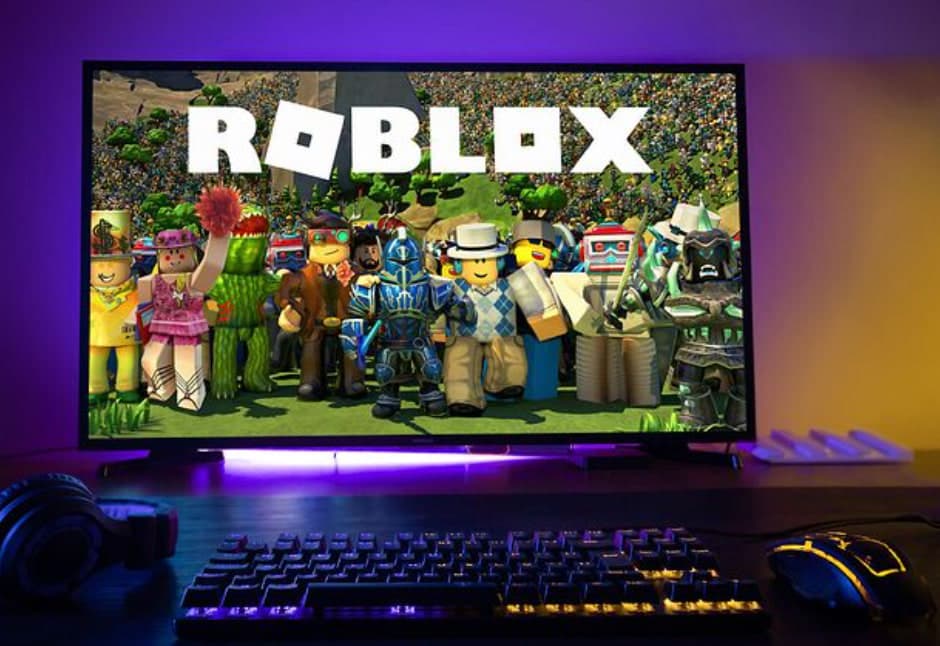
Algeria has reached an agreement in principle with Roblox to restore access to the gaming platform and train local video game developers, although its chat features will remain disabled until additional safety systems are in place.
Roblox
Algeria has reached an agreement in principle with Roblox to restore access to the gaming platform and train local video game developers, although its chat features will remain disabled until additional safety systems are in place.
Announced by the Ministry of Post and Telecommunications on October 13, the agreement in principle provides for training in game design and development. Participants are expected to gain the skills needed to create games for Roblox and reach players beyond Algeria.
The platform’s return will come with restrictions. Roblox chat features will remain disabled until additional safety systems are ready. The authorities and the company have not yet disclosed how many developers will participate, how the programme will be funded or when training will begin.
Those details will help establish whether the initiative can move beyond skills development and generate opportunities for local studios.
Local Studios Need More Than Technical Skills
Algeria has been working to build a support system for its gaming industry. In March 2025, government representatives met local game developers to discuss assistance for startups and ways to incorporate Algerian cultural heritage into video games. The National Office of Copyright and Related Rights was also expected to help industry participants navigate intellectual property issues.
Private initiatives are addressing some of the practical demands of launching a game. Gamers Lab, operated by Makers Lab, works with Algerian developers on game production, launch preparation, marketing and access to overseas markets. Its programme targets projects that have reached development or prototype stage.
The government has also explored ways to support international gaming products in Algeria. Talks with executives behind PUBG MOBILE in November 2025 covered local content, payments in Algerian dinars, possible local server infrastructure and gaming events.
The Roblox agreement adds a global platform to these efforts. However, developers will still need to find customers, manage costs and earn enough revenue to sustain their work.
A Growing African Market
The commercial opportunity is significant. The State of the African Video Game Industry 2026 report, published by SpielFabrique with support from gaming commerce company Xsolla, estimated that Africa generated $2.29 billion in video game revenue in 2025.
The report put the continent’s average annual growth rate at 12.32%, above the global average of 7.5%. Egypt accounted for an estimated $368 million, followed by Nigeria at $300 million and South Africa at $278 million.
These figures point to a growing market, but they do not guarantee that individual African studios will capture a meaningful share of the revenue. Developers must compete for attention in an industry with established international publishers, while also navigating differences in payment access, infrastructure and distribution.
The Commercial Hurdles Ahead
Algerian studios have already identified some of these difficulties. In a May 2024 interview with PocketGamer.biz, Jana Games founder Seifeddine Wassim Haddar discussed the challenges of self-financing projects, diversifying game genres and developing workable monetisation strategies. He said his studio relied on contract work to support its own development and pointed to recruitment and payment infrastructure constraints across the Middle East and North Africa.
Nigerian developer Maliyo Games has also highlighted infrastructure limitations and the difficulty of securing international exposure. Reaching players across Africa and beyond can require marketing resources and distribution access that smaller studios struggle to obtain. Developers must also decide how to adapt their games for audiences with different languages and cultural preferences.
Roblox could lower some barriers by giving Algerian creators access to an established platform. But the agreement’s eventual value will depend on the support available after training: whether developers can publish successfully, receive payments and build audiences large enough to generate sustainable income.
For now, the agreement remains preliminary. Its budget, timetable and participation targets are yet to be disclosed. Those details will show how far Algeria intends to go in turning gaming skills into a viable local industry.