Kenyan Startup ZeroBionic Uses Robotics to Bring Sign Language Into Classrooms
At 22, Kenyan computer scientist and entrepreneur Norah Kimathi is building technology aimed at making classroom learning more accessible to deaf students.
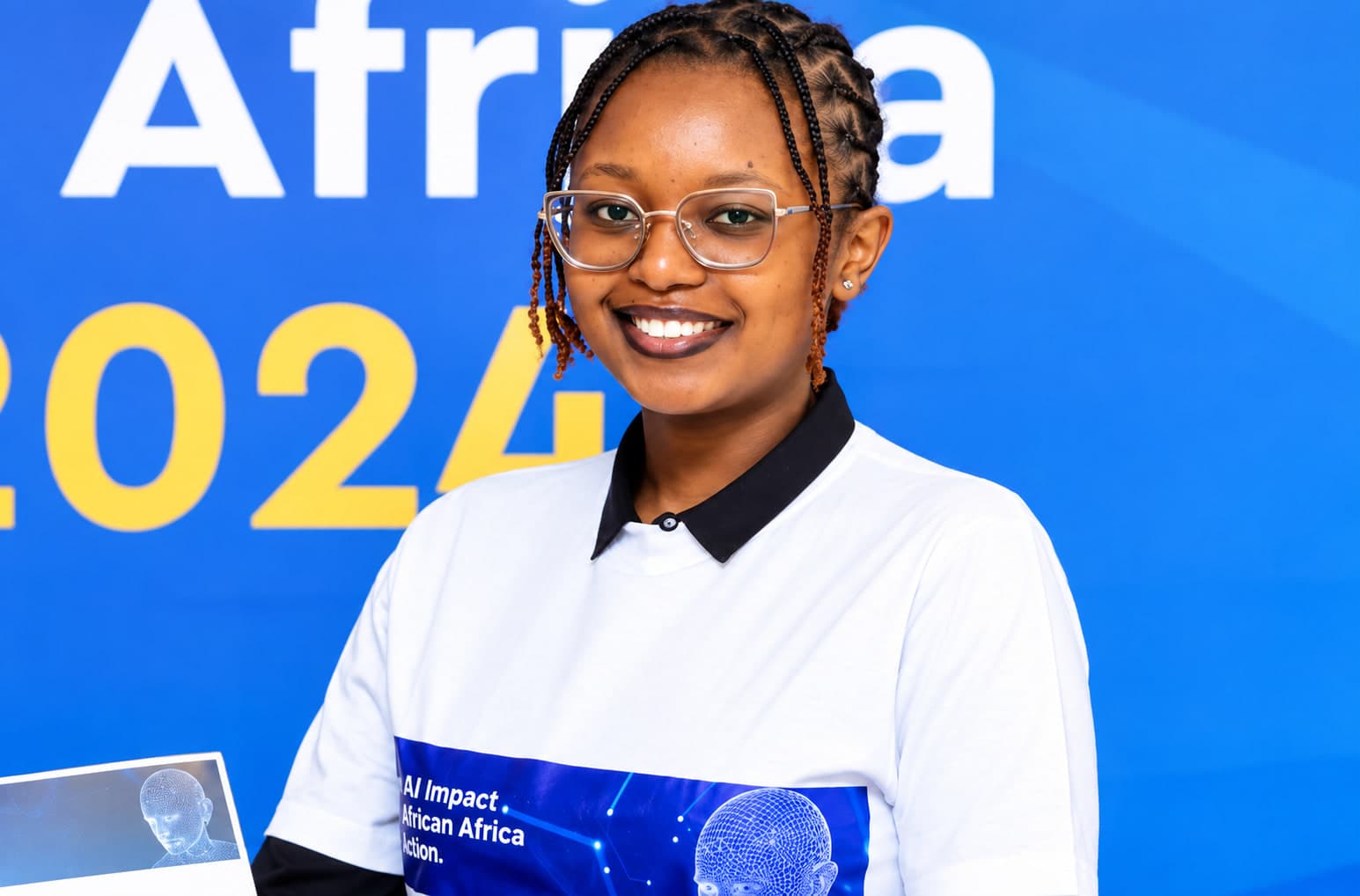
Norah Kimathi
At 22, Kenyan computer scientist and entrepreneur Norah Kimathi is building technology aimed at making classroom learning more accessible to deaf students.
Kimathi co-founded ZeroBionic in 2023, a robotics and artificial intelligence startup developing a system that can convert a teacher’s speech into sign language in real time. The technology captures what a teacher says, processes the speech and translates it into sign language through a robotic arm. The goal is to give deaf students another way to follow lessons where specialised learning tools and interpreters may be limited.
Building Robots for African Classrooms
ZeroBionic develops its own hardware and combines AI, gesture recognition and computer-aided manufacturing. The startup uses 3D printing and recycled materials to build its robots, including locally available plastic waste.
Connectivity is another consideration in the company's design. ZeroBionic is developing its systems to work in environments where internet access may be unreliable or limited, allowing schools to use the technology without depending entirely on continuous connectivity.
The startup is also building a database of African sign languages. The resource is intended to help its systems recognise and reproduce signs used by local communities, rather than relying entirely on datasets developed for other regions.
From Computer Science to Robotics
Kimathi began working with the Global Give Back Circle in 2020 as a team leader at the education-focused organisation. She later gained engineering experience through an Internet of Things (IoT) internship at @iLabAfrica, the research and innovation centre at Strathmore University.
Kimathi graduated from Strathmore University with a bachelor's degree in computer science in July 2026.
Through ZeroBionic, she is applying that technical background to accessibility, robotics and education. The startup combines software and hardware to address a specific challenge in African classrooms: giving deaf learners access to lessons in a format they can use.