A diverted tuition payment led to a $450 million remittance business
Jones Amegbor did not set out to build a $450 million remittance business. The idea started with a tuition payment that never reached the university. In 2010, Amegbor was working at a bank when he needed to pay university fees for a family member. He could not leave work to visit an agent, so he
A diverted tuition payment led to a $450 million remittance business
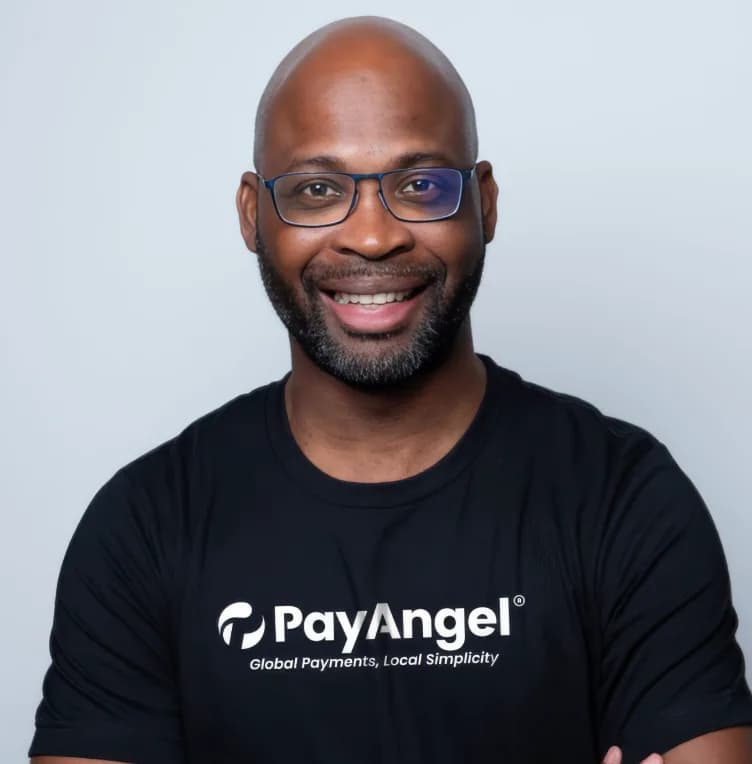
Jones Amegbor did not set out to build a $450 million remittance business. The idea started with a tuition payment that never reached the university. In 2010, Amegbor was working at a bank when he needed to pay university fees for a family member. He could not leave work to visit an agent, so he sent the money later than planned. The family member was eventually expelled from university. Amegbor thought the late payment was the reason. He later discovered that the tuition money he had sent the previous semester had been diverted by a family member.
That was when he started asking why people had to send money to relatives when the money was meant for a specific bill. Why not send it straight to the university? That question led to PayAngel, which Amegbor founded in 2013. The company allows people living outside Africa to pay schools, hospitals, insurers and other businesses directly. Instead of sending money to someone who then has to make the payment, the sender can pay the organisation itself. PayAngel says it has now processed more than $450 million in transactions and has more than 100,000 active remitters.
Sending money is only part of the problem
Africa received about $100 billion in remittances in 2023, according to the United Nations. Amegbor’s argument is that the industry has spent a lot of time making transfers cheaper and faster. There is another problem. The money can arrive safely, but there is still no guarantee that it will be used for what it was sent for. That became the problem PayAngel wanted to solve. Its main product, Direct-to-Merchant Remittances (D2MR), allows customers to choose an approved institution and pay it directly. Someone sending money for university fees can select the school and enter the student’s reference number. The payment goes to the university instead of passing through a family member. The same model works for hospital bills, insurance payments and other expenses.
The early days were not exactly high-tech
PayAngel’s first payment system involved Amegbor’s younger brother. When money came in, his brother would withdraw it from a bank and travel to different institutions to make the payments. It was a manual process, but it kept the business moving. Getting banks to support the idea was another challenge. Amegbor was trying to build a digital remittance business at a time when cash was still the dominant way people sent money across borders. He said some banks did not believe customers would move away from established operators. PayAngel initially used tokens because it could not connect directly to bank platforms. That created its own problems. A recipient could arrive at an agent to collect money and find that there was no cash available.
When PayAngel eventually connected to banking infrastructure, it found another problem. The payment information was not always clear enough for businesses receiving the money. References could disappear from bank statements. Different banks also used different formats for their transaction data. Amegbor realised that moving the money was only one side of the problem. PayAngel also needed to help the business receiving the money identify who had paid and what the payment was for. The company started onboarding those businesses directly. That became the basis for its direct-to-merchant model, which PayAngel launched as a minimum viable product in 2022.
How PayAngel makes money
PayAngel makes money from foreign exchange spreads. It also charges businesses fees for collecting payments through PayAngel Business. The company competes with established remittance operators such as Western Union and MoneyGram. It also operates in the same market as digital players such as LemFi, NALA and Sendwave. Amegbor believes PayAngel is dealing with a different part of the problem. It is not only about getting the money across the border. It is about knowing where the money ends up. “We are driving accountability and trust within the ecosystem,” Amegbor said. PayAngel has also added other services to its platform. Its RemitCare product provides qualifying beneficiaries with life and hospitalisation cover. A sender qualifies by transferring at least £100 in a month. The cover runs on a 30-day cycle and continues as long as the qualifying transfers continue. PayAngel Business allows African companies to collect payments from customers in the diaspora. It also helps businesses reconcile those payments.
What comes next
PayAngel says it has processed more than $450 million and has over 100,000 active remitters. The company operates across 22 countries on four continents. It has an annualised revenue run rate of about $4 million. It also has regulatory approvals in the United Kingdom, United States, Canada, Australia and Ghana. A partnership with Visa has helped PayAngel connect to more markets and payment networks. Amegbor is now looking to strengthen the company’s position in several African markets, including Nigeria, Kenya, South Africa and Uganda. The bigger challenge is still on the receiving side. Africa has different banking systems, currencies and regulations. Building the connections needed to make payments work across those markets takes time. For Amegbor, however, the original problem has not changed. Someone living abroad may be sending money for school fees, a hospital bill or an insurance payment. They should not have to wonder whether the money will reach the person or organisation it was meant for. That is the problem PayAngel started with. More than a decade later, the company says it has processed more than $450 million in remittances.