
Government Launches One Stop Shop And Energy Resilience Fund
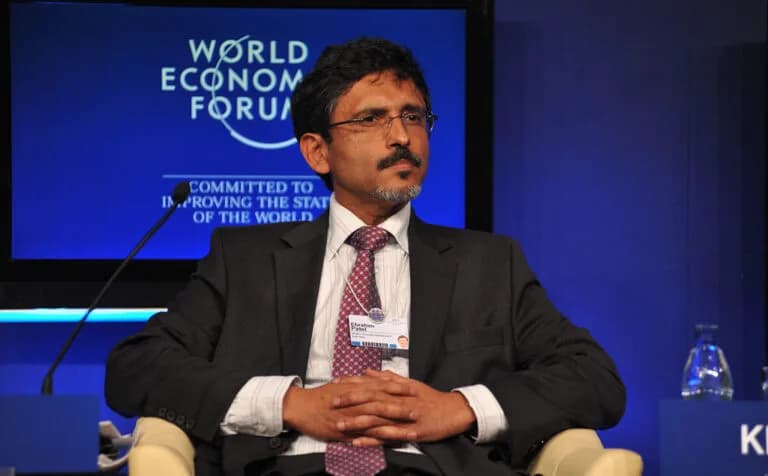
Ebrahim Patel, minister of trade, industry and competition launched the Energy One Stop Shop and Energy Resilience Fund. The purpose of this fund is to “input to the streamlining of regulatory processes required for private investment in electricity generation, facilitate pre-investment screening for all energy projects and fast track applications from energy applications.” Minister Patel
Government Launches One Stop Shop And Energy Resilience Fund
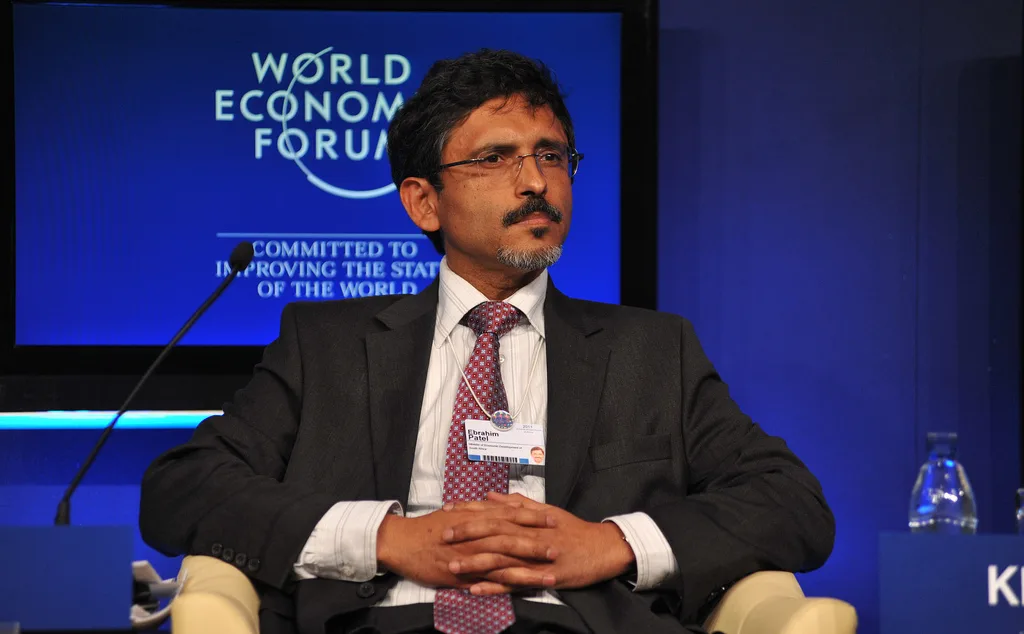
Ebrahim Patel, minister of trade, industry and competition launched the Energy One Stop Shop and Energy Resilience Fund. The purpose of this fund is to “input to the streamlining of regulatory processes required for private investment in electricity generation, facilitate pre-investment screening for all energy projects and fast track applications from energy applications.”
Minister Patel during the launch said the reason for Energy One Stop Shop development was to address a key constraint that energy developers face and to do approval of energy supply projects.
“The Energy One Stop Shop and Energy Resilience Fund are critical steps towards alleviating the challenges faced by our industries during this energy crisis. We are committed to fostering a resilient business environment and accelerating private-sector investment in electricity generation to secure a stable energy future,” Patel said.
“While the Presidency is exploring ways to simplify these processes we have seen that having a dedicated resource available to the private sector, to address blockages, has worked in other parts of the economy.
“It is worth noting that we have also put in place several other instruments to support the energy transition – from new standards on light-bulbs issued in May this year, to exemptions granted to companies to collaborate on both the supply of energy and on demand-measures,” Patel said.
Acting Director-General at the dtic, Susan Mangole: Energy Resilience Fund Launch, said the dtic acknowledges the need to assist businesses in alleviating the impacts of load shedding through the implementation of alternative energy systems or processes.
“To contribute towards easing the impacts, the dtic, Industrial Development Corporation (IDC) and the National Empowerment Fund (NEF) established a blended funding facility, the Energy Resilience Funds (ERF) to support companies affected by loads shedding,” Mangole said.
Mangole also stated that there is a “blended funding” available to assist companies with Batteries, inverters and wiring.
“The supported alternative energy systems should not have any additional costs to operate. ERF supports any business adversely affected by the energy crisis across all sectors of the economy.
“The alternative energy interventions must be meaningful for a company to largely remain operational in times of loads shedding. Entities supported through this scheme must retain the same number of jobs or increase jobs for the duration of the term of the funding,” Mangole said.
James McKay, Chief executive officer of Energy Council of South Africa said, “There is significant reform still required and the One-Stop-Shop will play a significant role in developing this evolving landscape.” He added they need all technologies, collaborative partnerships and significant investment.
The Department of Trade, Industry and Competition said, there’s R240 million made available to be administered by the industrial development corporation (IDC), while R150 million will be dispersed in partnership with the National Empowerment Fund( NEF) to support businesses operating in townships.