Good news for load-shedding
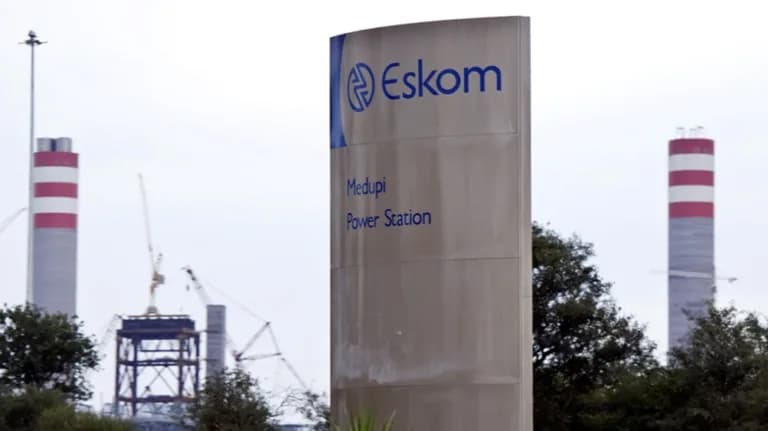
South African labour groups agreed to a wage offer from the state-owned power utility, ending an impasse over increases that triggered a week of illegal protests and deepened electricity outages. Eskom Holdings SOC Ltd., which generates almost all of the nation’s electricity, was scheduled to meet with the unions on Tuesday over the pay deal.
Good news for load-shedding
South African labour groups agreed to a wage offer from the state-owned power utility, ending an impasse over increases that triggered a week of illegal protests and deepened electricity outages.
Eskom Holdings SOC Ltd., which generates almost all of the nation’s electricity, was scheduled to meet with the unions on Tuesday over the pay deal.
Members of South Africa’s National Union of Mineworkers and the National Union of Metalworkers of South Africa will accept the utility’s offer of a 7% wage increase, NUM General Secretary William Mabapa said in an interview with broadcaster Newzroom Afrika.
South Africa’s consumer inflation rate was 6.5% in May.
Eskom workers aren’t allowed to strike because the provision of electricity is considered an essential service.
While labour groups on June 28 called for their members to report for duty, the stay away continued at some plants and the utility was forced to double power cuts to prevent a total collapse of the grid.
Phakamile Hlubi-Majola, spokeswoman for Numsa, could not immediately comment when contacted by Bloomberg News.
Solidarity, another union with members at Eskom, has a mandate to accept the deal, according to Helgard Cronjé, its deputy general secretary for the public sector.
Power outages, near an all-time record just halfway through the year, have been curtailing economic activity in Africa’s most industrialized nation and disrupting daily life.
Even before the strike, Eskom was running at a loss and struggling to keep its old coal-fired plants running while fixing new defective units.
Labor groups have blamed the utility’s management for the dire state of the business and maintained that they should be entitled to inflation-beating raises. Eskom said its income, set by regulators, limited its scope to increase remuneration.
Protests erupted after negotiations deadlocked last week, and roads to power stations were blocked off, cars were set on fire and gasoline bombs were thrown at managers homes.
Many workers were intimidated from reporting to their posts and Eskom instituted Stage 6 power cuts –- removing 6,000 megawatts from the grid — for the first time since 2019.