NCBA and BasiGo team up to finance 1,000 electric vehicles in Kenya
Getting more electric vehicles onto Kenya’s roads is becoming less about whether the technology works and more about whether operators can afford to buy the vehicles. NCBA Group and electric mobility company BasiGo are now trying to make that part easier. The two companies have agreed to finance 1,000 electric vehicles, giving public transport operators,
NCBA and BasiGo team up to finance 1,000 electric vehicles in Kenya
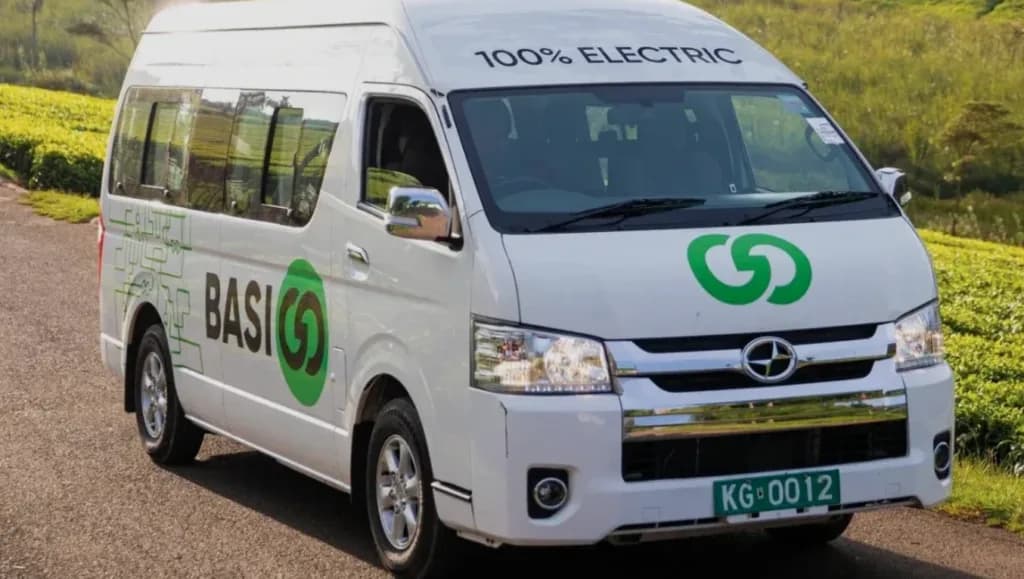
Getting more electric vehicles onto Kenya’s roads is becoming less about whether the technology works and more about whether operators can afford to buy the vehicles. NCBA Group and electric mobility company BasiGo are now trying to make that part easier. The two companies have agreed to finance 1,000 electric vehicles, giving public transport operators, businesses and institutions the option to buy or lease BasiGo vehicles. The financing will be available through asset finance and leasing. BasiGo will use the deal to reach more PSV SACCOs, established transport operators and individual operators. NCBA will also become BasiGo’s first local investor. For operators, the main change is that they will not have to find the full cost of an electric vehicle upfront.
PSV SACCOs and established PSV companies can finance up to 90% of an electric vehicle’s value over 60 months. Individual SACCO members can finance up to 80% over 48 months. The financing comes with a discounted processing fee of 1.5%. BasiGo will also continue offering its Pay-As-You-Drive model, which allows operators to spread the cost of an electric vehicle according to its use. The company provides charging and maintenance services as part of the arrangement. This is important in Kenya’s public transport market, where operators need their vehicles on the road every day to make money.
Kenya’s EV market is growing
Kenya has seen a big increase in electric vehicle registrations over the past few years. Government figures show that registered electric vehicles increased from 1,378 in 2022 to 39,324 in 2025. The growth has been helped by cheaper EVs and financing options aimed at making them easier to buy. Public transport is one of the areas where companies such as BasiGo see an opportunity. Kenya’s matatu sector is made up of thousands of operators, many of whom belong to SACCOs. These SACCOs can help their members access financing and are an important part of how the country’s public transport system operates.
But there is still a big difference between wanting to move to an electric vehicle and being able to pay for one. An operator has to look at the purchase price, monthly repayments, charging costs, maintenance and how much the vehicle can earn on its route. BasiGo has been working on some of those issues through its charging and maintenance services. Its CEO and co-founder, Jit Bhattacharya, said financing remains one of the biggest problems facing electric vehicle adoption in Africa. “The most critical challenge in scaling electric vehicles in Africa is financing,” he said. The NCBA partnership gives operators more than one way to finance a BasiGo vehicle, including asset finance and leasing.
BasiGo wants 1,000 buses on the road
The financing deal also fits into BasiGo’s plans to put 1,000 electric buses on Kenyan roads by 2027. The company assembles its buses locally at its facility in Thika and has been increasing production. The new agreement does not mean 1,000 buses will suddenly appear on Kenyan roads. It gives operators a way to finance the vehicles as BasiGo works towards its target. That could become important as the company tries to move beyond early adopters and get more ordinary public transport operators to make the switch. For these operators, the environmental benefits of an electric bus are unlikely to be the only consideration. The vehicle needs to make financial sense. Kenya spends more than $5 billion a year on fuel imports, while road transport accounts for more than 40% of the country’s total energy consumption. Lower fuel and maintenance costs could make electric buses attractive over the longer term, but operators still need to deal with the higher upfront cost. That is where financing can make a difference.
Government is also backing EV adoption
The Kenyan government has been putting policies in place to support the shift to electric transport. It launched its National Electric Mobility Policy in February 2026, covering different forms of transport and setting out a framework for EV adoption. The Finance Bill 2025 also introduced zero-rated VAT on electric buses, motorcycles, bicycles and lithium-ion batteries. Kenya is not the only African market trying to encourage electric mobility. Rwanda and South Africa have also introduced policies and incentives aimed at increasing EV adoption. For BasiGo, the focus now is on getting more operators to take up electric vehicles. The company has been building the buses and expanding local production. NCBA is now providing another piece of the puzzle by giving operators access to financing.
If the financing is taken up by enough SACCOs and transport operators, it could help BasiGo increase the number of electric buses operating in Kenya. NCBA is also preparing for a possible change in ownership. Nedbank has received regulatory approval for a proposed acquisition of about 66% of NCBA Group. If the deal is completed, NCBA will become a subsidiary of the South African banking group.