Econet InfraCo looks to AI to bring down its diesel bill
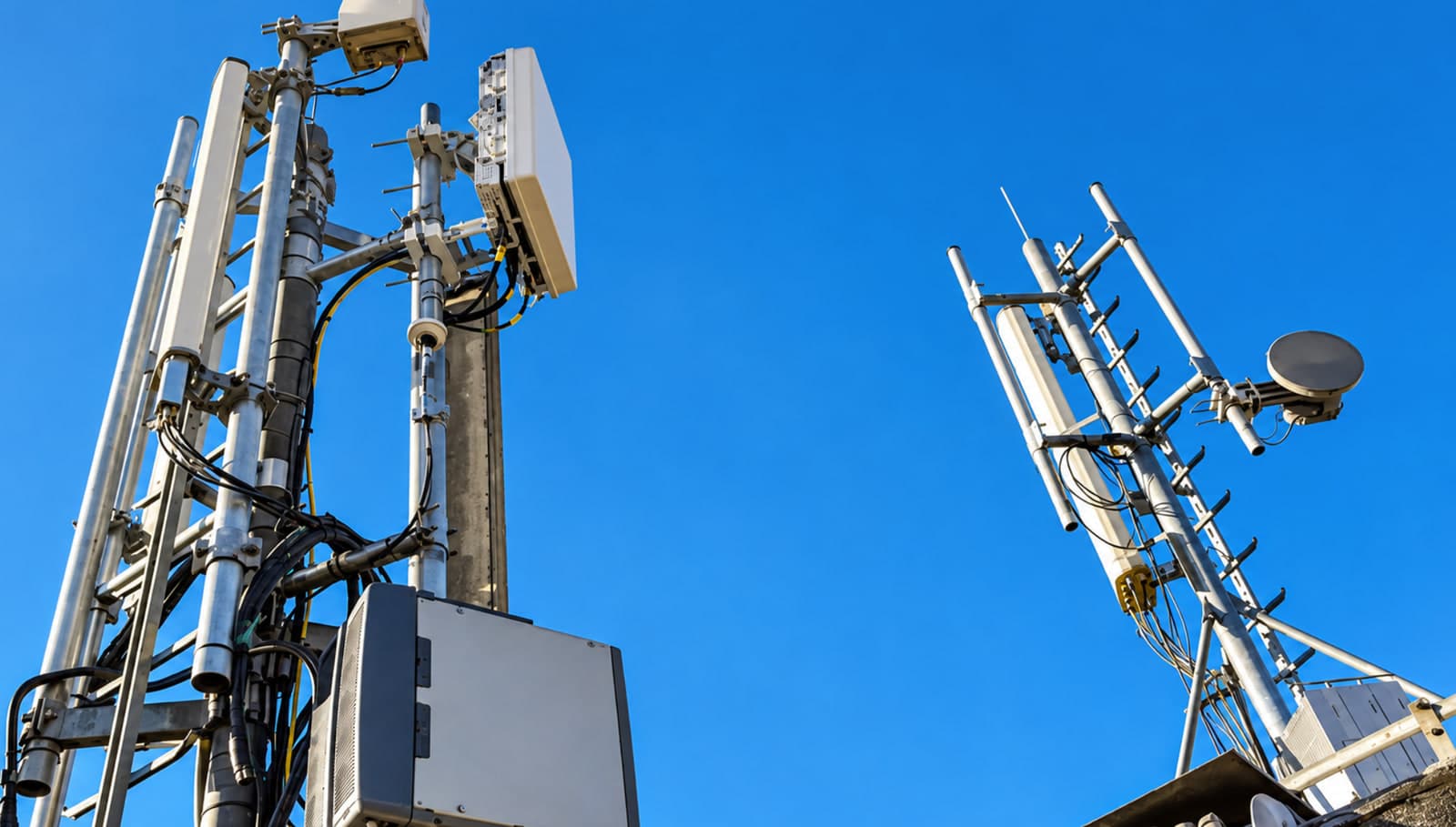
For a company running telecommunications towers across Zimbabwe, diesel is an expense that never really goes away.
Econet
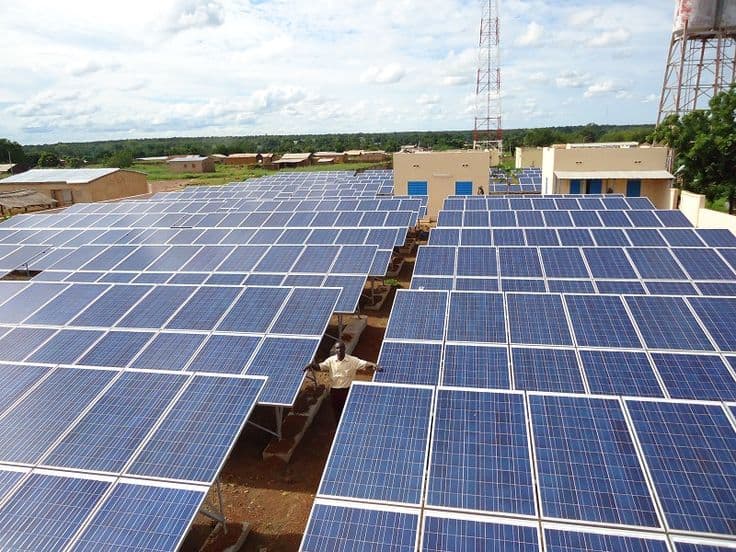
For a company running telecommunications towers across Zimbabwe, diesel is an expense that never really goes away. When the power supply fails, generators take over. They keep the network equipment running, but they also add to the cost of operating each site. Econet InfraCo says it has cut diesel consumption by 30% through changes to the way it manages power at its sites. The company is using AI-based fuel management alongside solar power and batteries to reduce its reliance on generators
AI-generated summary. It can miss nuance — read the full story above for the complete picture.
For a company running telecommunications towers across Zimbabwe, diesel is an expense that never really goes away. When the power supply fails, generators take over. They keep the network equipment running, but they also add to the cost of operating each site. Econet InfraCo says it has cut diesel consumption by 30% through changes to the way it manages power at its sites. The company is using AI-based fuel management alongside solar power and batteries to reduce its reliance on generators.
It has developed a system called AI Fuel Mode with Cassava Compute, its sister company. The system helps monitor generator use and manage fuel consumption across its infrastructure. There is an important detail behind the 30% figure, though. Econet InfraCo has combined AI with solar installations and battery technology, and has not disclosed how much each measure contributed to the reduction.
Fuel is a bigger headache when you manage hundreds of sites
“The real test is whether the money saved on diesel is greater than the cost of managing power differently.”
A generator at one location might use relatively little diesel. Multiply that across a large network of sites, however, and fuel becomes a much bigger operating expense. There is also the practical work involved. Fuel has to reach each site, consumption needs to be checked, and generators must be maintained. When a company manages locations spread across a wide area, keeping track of all this becomes harder.
Econet InfraCo's approach is to use data to get a better picture of what is happening at its sites. Monitoring generator use can help the company identify unusual consumption and decide where changes might reduce fuel use. Solar panels and batteries provide another part of the solution. Where these systems can supply enough power, generators do not need to run as often.
The combination matters because AI cannot solve an electricity problem on its own. If a site has insufficient battery capacity or depends heavily on a generator, there are limits to how much fuel monitoring alone can save.
Could this work for an SME?
The same expense shows up in businesses that have nothing to do with telecommunications. A farmer running irrigation pumps, a manufacturer operating machinery or a warehouse keeping its equipment running during power cuts all have to account for diesel. When fuel prices rise, the additional cost can put pressure on already tight margins.
For a business with several sites, monitoring software could make it easier to compare fuel consumption and identify locations where generators are using more diesel than expected. But the cost of introducing such a system needs to be considered. A small business with one generator may not need AI to work out where its money is going. Recording fuel purchases, checking running hours and keeping up with maintenance could be enough to identify problems.
A company managing dozens of generators has a different task. Pulling together information from every location takes time, and automated monitoring may be worth paying for if it produces savings that exceed its cost. Econet InfraCo's reported reduction provides a reason to examine the technology, but it is not proof that every business could cut its diesel bill by the same amount.
The missing number is what it costs to get there
Econet InfraCo has reported a 30% reduction in diesel consumption, but the publicly available information does not provide enough detail to calculate the cost of implementing the system or how quickly the investment pays for itself. Those figures would help other businesses judge whether a similar approach is realistic for them.
For now, the company's experience highlights a familiar problem for businesses operating where electricity supply is unreliable: keeping equipment running without allowing fuel costs to get out of hand. The useful question for other operators is not simply whether AI can manage diesel. It is whether better monitoring, combined with the right power equipment, can save more money than it costs to implement.