Farm with a View: How Drone Technology is Transforming Agriculture
Drones are an increasingly common technology with a wide range of applications. Drone-based shooting of an event, such as an outdoor wedding, or acquiring drone-based footage to highlight for the sale of a home or other property, is becoming more common. On the more contentious side, drones are increasingly being used in modern military and
Farm with a View: How Drone Technology is Transforming Agriculture
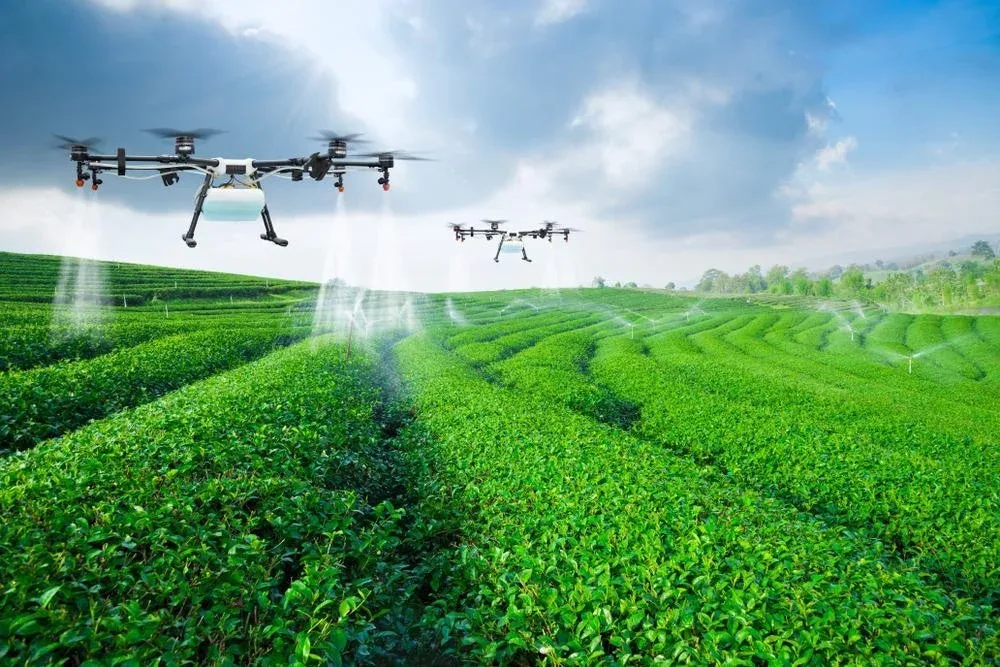
Drones are an increasingly common technology with a wide range of applications. Drone-based shooting of an event, such as an outdoor wedding, or acquiring drone-based footage to highlight for the sale of a home or other property, is becoming more common.
On the more contentious side, drones are increasingly being used in modern military and anti-terrorism operations. Drones are also being utilised in agriculture, this time to combat yield-robbing pests (insects, weeds, diseases). Drones, on the other hand, can substantially improve the capacity to track crop development and diagnose nutritional imbalances. All of this data may then be used to influence crucial farm management choices.
One of the primary “scouting” roles of drone imagery is the capacity to detect and identify weeds.
Consider what it’s like to be a modern row crop farmer to appreciate why this is such an exciting new possibility. Because much of the property is rented and not adjacent to the “home place,” these independent businesses are frequently caring to several thousand acres of land in dozens of fields scattered over an even bigger region. Every season, a vast number of decisions must be taken for each pitch. In terms of genetics, decide which crop and variety/hybrid to plant, as well as whether to work in a relay/double crop. What fertilisers to use, at what rates and timings, and which efficiency tools to use for plant nutrition.
In the case of pests, what preventative actions to take and crop protection products to apply when and where. Whether or not to employ cover crops to improve soil health. All of these decisions are impacted by the field’s historical history as well as its physical and chemical profile (for example, slope, soil type, nutrient carryover, organic matter, etc.). Then, once the season begins, even the best-laid preparations might be derailed by the weather. These decisions can have substantial economic ramifications in terms of cost and their impact on harvest production and quality for sale at an unknown future commodity price.To be honest, we should all be grateful that there are still about 1% of our population prepared to take on this complicated but necessary function in society.
Farmers face this type of difficult and perilous effort on a regular basis, but they rarely attempt to manage it alone. Farmers network with their colleagues and share tales about what has and hasn’t worked on their farms, and they substantially benefit from applied research undertaken by their local university and extension facilities. Input producers frequently rely on “trusted advisors” like as agronomists and/or crop consultants for particular knowledge, who may take what is known about their farms and make advice.