Elon Musk backs out on Twitter deal
Elon Musk has eventually decided he doesn't want to buy Twitter Inc.; however, he can't just leave the $ 44 billion ($ 74.7 billion) deal. Billionaire's co-founder of Tesla Inc. must argue in front of a Delaware judge that Twitter was unable to support aspects of the merger agreement signed in April. The Billionaire co-founder
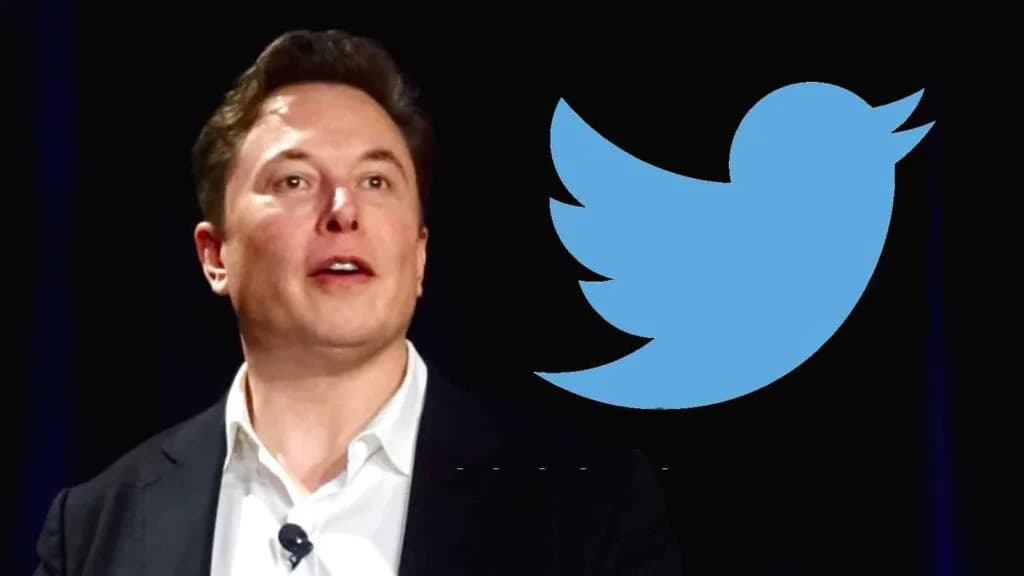
Elon Musk backs out on Twitter deal
Elon Musk has eventually decided he doesn’t want to buy Twitter Inc.; however, he can’t just leave the $ 44 billion ($ 74.7 billion) deal. Billionaire’s co-founder of Tesla Inc. must argue in front of a Delaware judge that Twitter was unable to support aspects of the merger agreement signed in April.
The Billionaire co-founder of Tesla Inc. must argue in front of a Delaware judge that Twitter was unable to support aspects of the merger agreement signed in April.
Twitter Chairman Bret Taylor vowed on Friday that the social media platform would force Musk to respect his agreement in the Delaware Court of Chancery.
If Judge decides against Mask, he could be forced to pay Twitter shareholders $ 54.20 per share, as announced in the settlement announced on April 25.
A ruling in his favour would allow Musk to walk away, although he will likely have to pay severance, which was initially set at $1 billion.
It’s also possible that the two sides will come to an agreement where Musk still proceeds to buy back, potentially at a lower price.
The judge in this case will focus on the dense complexities of the 73-page purchase agreement, and courts rarely side with the parties, like Musk, trying to bail on acquisition commitments.
Musk’s rationale focuses on automated user accounts known as bots and how Twitter creates accounts for them.
He alleges that the social media platform is filled with spambots, countering Twitter’s claim that they make up less than 5% of total users.
Musk said in Friday’s filing with the U.S. Securities and Exchange Commission that Twitter’s failure to provide reasonable details about the number of bots called it a “company material adverse effect [MAE]”.
A judge must decide whether such an event occurs and whether it warrants Musk’s cancellation.
Larry Hamermesh, a University of Pennsylvania law professor specializing in corporate litigation in Delaware, describes the MAE as an “unexpected, fundamental, and enduring” negative development — similar to a loophole in the settlement. irreparable agreement.
The agreement grants Twitter officials so-called specific performance rights, meaning that if a judge finds that Musk’s claims about bot data have not grown to MAE levels, the platform can ask the judge force Musk to complete the acquisition.
Mr. Robert Profusek, head of mergers and acquisitions at law firm Jones Day, said: The decision to sign a contract without doing due diligence could work against him.
Musk argued that management failed to meet these obligations regarding spam and bot account details.
Twitter says it transmits a lot of data about its user base. Executives told media on Thursday that the company manually reviews thousands of accounts each quarter to identify 5% of spam bots and believes the actual number is much lower than the published threshold.
According to people familiar with the matter, Twitter hired the Wachtell, Lipton, Rosen & Katz merger law. The social media company is aiming to file charges earlier this week. By hiring Wachtell, he has access to attorneys, including Bill Savitt and Leo Strine, who have served as Chancellors of the Delaware Premier Court.
Musk brings Quinn Emanuel Urquhart and Sullivan LLP on board. The company successfully defended a defamation lawsuit in 2019 and is representing him in an ongoing shareholder lawsuit over his failed attempt to take Tesla private in 2018.