Zimbabwe wants more coal power as electricity shortages keep hitting businesses
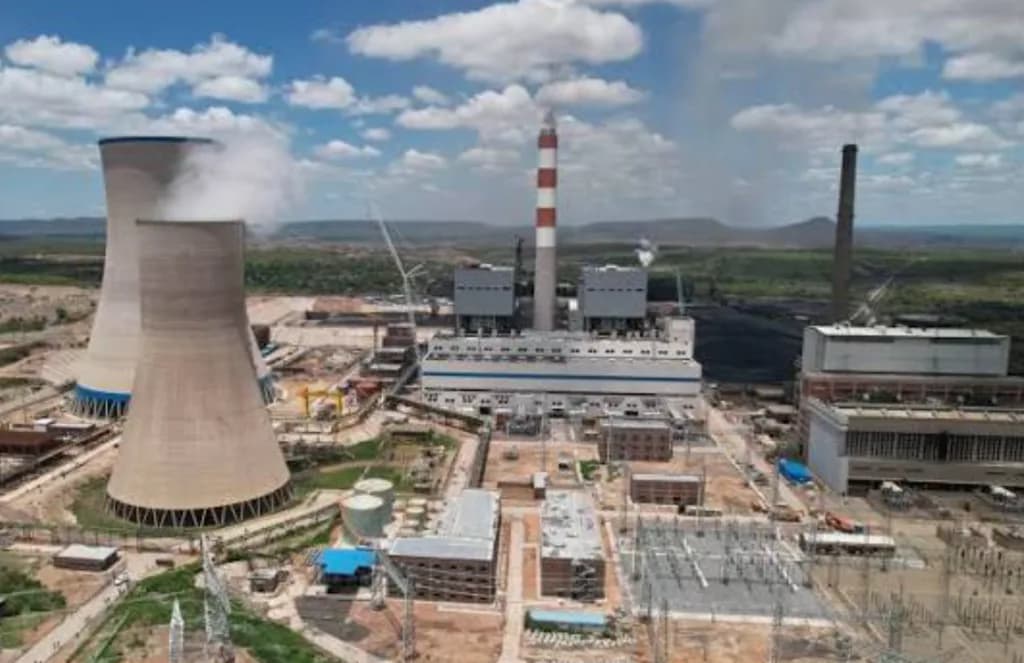
Zimbabwe is looking to add another 640MW of coal-fired power as the country's electricity problems continue to affect businesses. Zhong An Coking & Power has applied for a licence to build the plant in Hwange. The application is now with the Zimbabwe Energy Regulatory Authority. If approved, the project would be connected to the national
Zimbabwe wants more coal power as electricity shortages keep hitting businesses
Zimbabwe is looking to add another 640MW of coal-fired power as the country’s electricity problems continue to affect businesses. Zhong An Coking & Power has applied for a licence to build the plant in Hwange. The application is now with the Zimbabwe Energy Regulatory Authority. If approved, the project would be connected to the national grid through a 14.5km, 400kV transmission line. Zimbabwe is already spending a lot of money buying electricity from outside the country. It spent $84.35 million on electricity imports in the first six months of 2026. That is more than 70% of the amount spent on electricity imports during the whole of 2025. For small businesses, unreliable electricity has a very direct cost. If a workshop loses power, the machines stop. If a small factory loses a few hours of production, orders can be delayed. For restaurants, shops and other businesses, power cuts can mean lost sales or damaged stock. Businesses that have the money have been turning to generators, solar and batteries. But that is not an easy option for every small business. The equipment costs money, and generators also bring fuel and maintenance costs.
Zimbabwe is putting more pressure on Hwange
Hwange is already doing a lot of the work in Zimbabwe’s electricity system. The addition of 600MW from Hwange Units 7 and 8 helped the country reduce its reliance on imported electricity. The proposed 640MW plant would add another large amount of power from the same area. That could help when demand is high, particularly as Zimbabwe’s mining and industrial sectors need more electricity. But more generation does not automatically mean cheaper electricity for small businesses. A large mining company can negotiate its own electricity supply or invest in a private power project. A small manufacturer or retailer does not have the same options. Most have to take whatever electricity is available from the grid and find their own backup when it is not.
Businesses will be watching the price
The proposed plant could help Zimbabwe generate more electricity, but businesses will also want to know what that electricity will cost. The country has also been hit by lower hydropower generation because of drought. That has put more pressure on Hwange and increased the need for imported electricity. So coal is playing a bigger role in keeping Zimbabwe’s power system running. For small businesses, however, the issue is not really whether the next megawatt comes from coal, solar or another source. They need to keep their businesses running without spending a large part of their income on backup power. The 640MW project could give Zimbabwe more electricity if it is approved and eventually built. But for small businesses, the more important question will be whether that extra power actually means fewer outages and lower electricity costs.