WIOCC raises $300 million to expand Africa’s fibre and data centres
WIOCC raises $300 million to expand Africa’s fibre and data centres — what it actually costs, who it squeezes out, and the moves an early-stage founder can borrow this quarter.
WIOCC Pic
WIOCC has raised $300 million from the Africa Finance Corporation (AFC) and Saudi Arabia’s Vision Invest to expand its fibre, data centre and subsea cable operations across Africa.
The company operates in more than 30 African countries and provides infrastructure used by telecom operators, businesses and other network providers.
AI-generated summary. It can miss nuance — read the full story above for the complete picture.
WIOCC has raised $300 million from the Africa Finance Corporation (AFC) and Saudi Arabia’s Vision Invest to expand its fibre, data centre and subsea cable operations across Africa. The company operates in more than 30 African countries and provides infrastructure used by telecom operators, businesses and other network providers. The latest investment is WIOCC’s biggest funding round so far. It is also larger than the $200 million investment the company secured in 2022. WIOCC has not disclosed how the new funding will be split between its fibre, data centre and subsea cable businesses.
Where the money will go
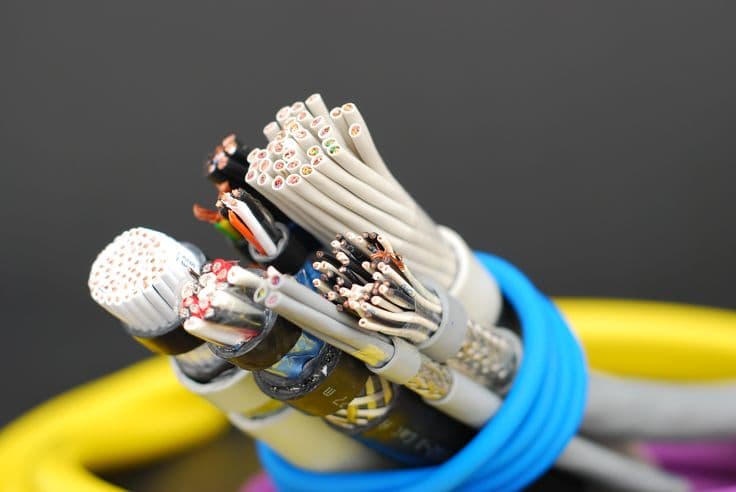
The funding will be used to increase WIOCC’s infrastructure capacity across Africa. The company has terrestrial fibre networks connecting different African markets and interests in subsea cable infrastructure that connects the continent to international networks. WIOCC also owns Africa Data Centres, which operates data centres in several African countries. These businesses cover different parts of the same internet infrastructure. Fibre carries data between cities, countries and businesses. Subsea cables carry internet traffic between continents, while data centres provide space for companies to run servers and store data. WIOCC’s investment will cover all three areas, although the company has not said which projects will receive the most money.
“For SMEs, the impact will depend on whether the additional infrastructure eventually means cheaper and more reliable connectivity.”
Why this matters to small businesses
For large technology companies, better fibre and more data centre capacity can mean faster connections and more room to run online services. Small and medium-sized businesses also depend on the same infrastructure, even if they never deal with a fibre network or data centre directly. A small retailer running its business through WhatsApp, an online store or a payment platform needs a reliable internet connection.
The same applies to an SME using cloud accounting software, online banking, video calls, digital advertising or software hosted outside the country. When connectivity is unreliable, businesses can lose time and money. A restaurant may struggle to process digital payments. An online retailer can miss customer orders. A small company that relies on cloud software can be left unable to access its systems. More fibre capacity does not automatically solve all of these problems. Local networks, electricity supply, the cost of internet access and the quality of service from telecom operators still matter. But additional infrastructure gives operators more capacity to work with.
Data centres could help businesses using cloud services
The expansion of data centres is also relevant to SMEs as more businesses use software that runs online rather than on computers in their offices. Accounting, customer management, payments, inventory and other business tools are increasingly hosted in the cloud. Those services need data centres to run. Having more data centre capacity in African markets can also reduce the need for some services to rely entirely on infrastructure outside the continent. For an SME, the effect is unlikely to be visible as a new data centre opening nearby. Instead, it could show up through the services the business already uses, such as faster applications, better reliability or more locally hosted products. Whether SMEs see those benefits will depend on how much of the additional capacity reaches local internet providers and how much it costs them to access it.
Fibre remains a major part of the network
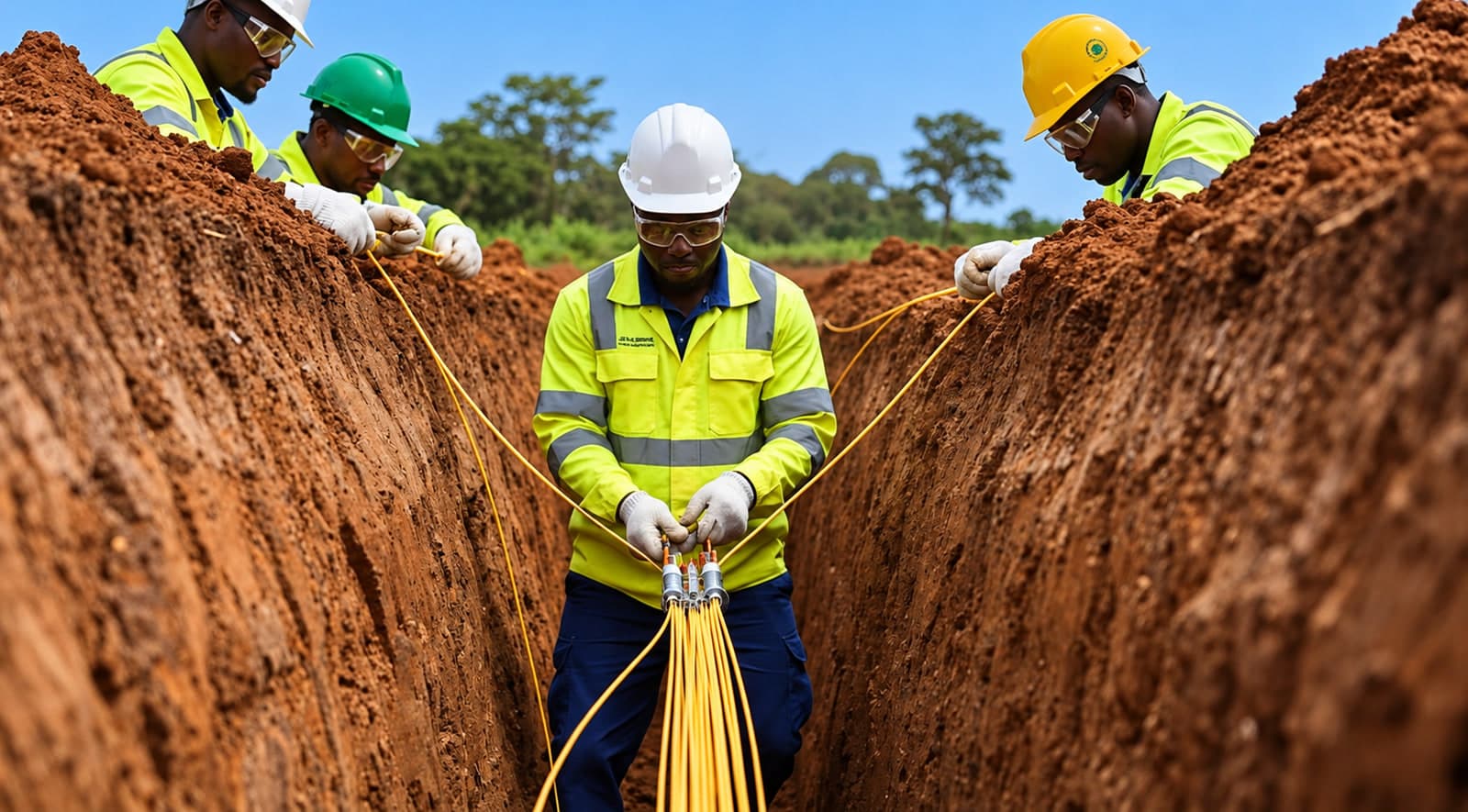
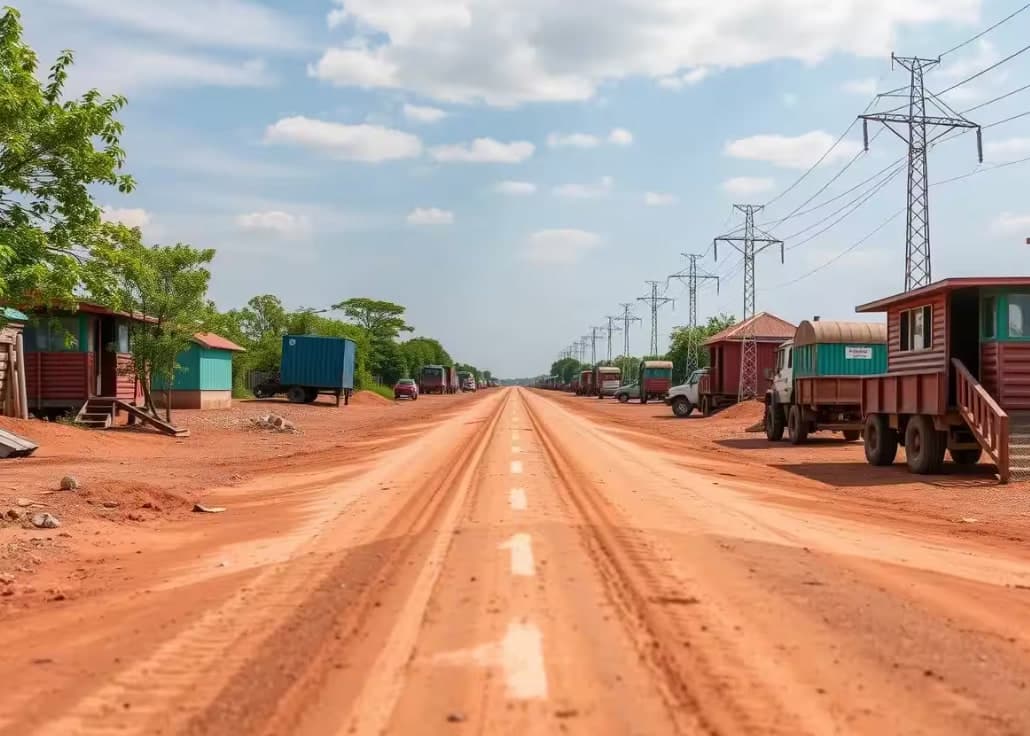
WIOCC is also investing in terrestrial fibre. Fibre networks are used to carry large amounts of data between cities, businesses and telecom networks. For SMEs, the quality and availability of these networks can affect everything from broadband speeds to the reliability of business applications. This is particularly important for businesses that operate outside major commercial centres. Many African SMEs still face higher connectivity costs or weaker internet services depending on where they are based. Expanding fibre networks can give telecom operators more routes and capacity, although the final benefit for businesses will depend on whether operators extend those connections to smaller towns and commercial areas.
Subsea cables connect Africa to the rest of the world
WIOCC also has interests in subsea cable infrastructure. These cables carry international internet traffic between Africa and other continents. That matters to businesses using services hosted overseas, communicating with international customers or suppliers, making cross-border payments and using global cloud platforms. A problem with an international cable can affect businesses thousands of kilometres away from where the cable lands. More cable capacity and additional routes can give networks more options when traffic needs to be redirected. Again, the benefit to SMEs is indirect, but it affects many of the online services they rely on every day.
WIOCC’s biggest raise
The $300 million investment is WIOCC’s largest funding round to date. It is 50% larger than the $200 million investment the company raised in 2022. AFC and Vision Invest are providing the new capital. AFC is a pan-African development finance institution, while Vision Invest is a Saudi investment company. WIOCC has not disclosed how much each investor is putting into the deal. It has also not provided a breakdown of the projects or countries that will receive the funding. For now, the company has said the money will support its fibre, data centre and subsea cable infrastructure across Africa. The impact on SMEs will depend on what gets built, where it gets built and whether the additional capacity eventually reaches the businesses that need cheaper and more reliable connectivity.