Vodacom spends a record R5.8 billion on its South African network as it battles load shedding
Vodacom, South Africa's largest mobile operator, which has been dealing with power challenges and the effects of rising inflation, says it spent a record R5.8 billion on its local network in the first half of the year, including batteries, in order to ensure a more resilient network for customers. For the past two years, the
Vodacom spends a record R5.8 billion on its South African network as it battles load shedding
Vodacom, South Africa’s largest mobile operator, which has been dealing with power challenges and the effects of rising inflation, says it spent a record R5.8 billion on its local network in the first half of the year, including batteries, in order to ensure a more resilient network for customers.
For the past two years, the company has spent more than R2 billion on batteries alone, and its network spending, along with new products, has helped drive a 4.9% increase in revenue to R41.2 billion in its largest market.
However, group headline earnings per share fell 9.5% to R4.57 in the six months to September 30, with the company suffering from the launch of mobile services in Ethiopia, as well as higher finance costs as its debt increased.
Vodacom CEO Shameel Joosub stated that the network investment came “at a time when the country experienced record levels of power outages,” and that measures were put in place to alleviate customer pressures.
“Vodacom has attempted to absorb considerable inflationary costs from the dramatic increase in energy costs as far as possible,” said Joosub.
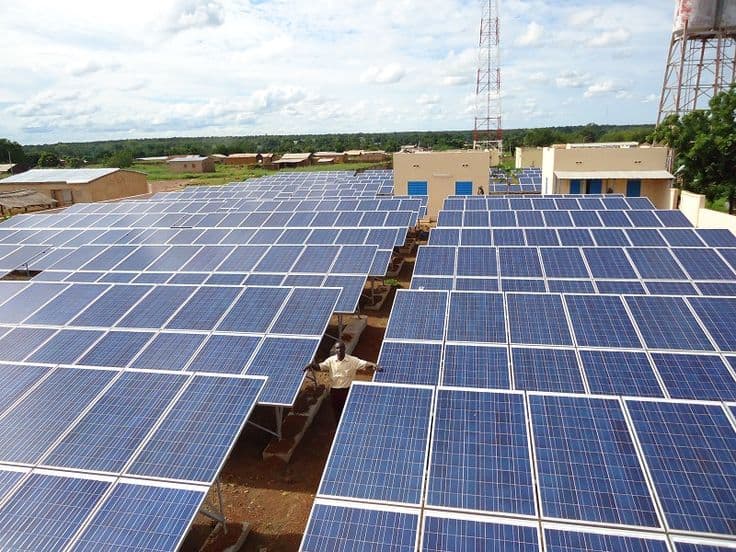
To mitigate the effects of the country’s energy crisis, Vodacom is testing a programme in which it will source electricity from renewable independent power producers and feed it into the national grid.
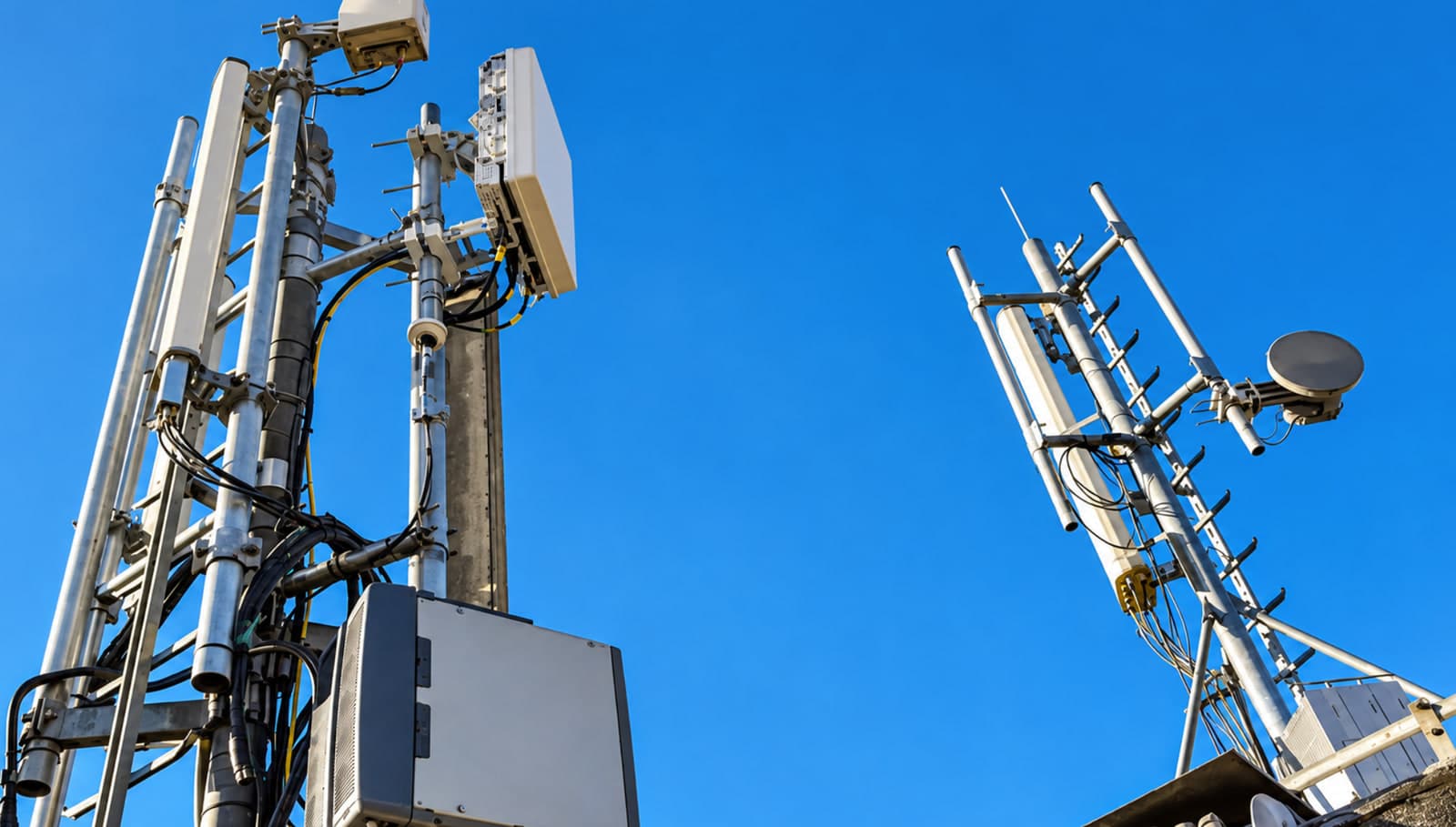
Battery deployment to towers to support network resilience during load shedding contributed to a 13% increase in total group expenses to R33.7 billion.
In South Africa, expenses rose 8.7% to R25.5 billion, owing to higher costs from equipment sales. According to the company, the expenses were caused by higher fuel and energy costs, as well as higher technology and network costs.
According to the company’s financial results released on Monday, Vodacom’s SA operations increased service revenue by 3% to R29.5 billion in the first half of the year, with increased smartphone penetration supporting growth in data traffic.
Data traffic increased by 30.3%, with 800,000 new users bringing the total to 23.8 million.
The number of smart devices increased by 11.8% to 27.6 million, while the number of 4G and 5G devices increased by 24.1% to 20.3 million. The average monthly usage per smart device increased by 24% to 2.8GB.
“The data revenue growth reflects the high adoption of our data-led bundles, which offer lower rates to the most price-sensitive, lower-income consumers,” said Joosub.
Group service revenue increased 7.2% to R41.7 billion, driven by the company’s local Vodacom operations, which account for 80% of earnings.
The startup costs associated with the recent launch of Safaricom Ethiopia, in which Vodacom has a minority stake, contributed to a decline in earnings, and this, combined with a spend on SA spectrum, resulted in an R6.6 billion increase in net debt to R44.6 billion. Finance costs increased by nearly a third to R2.19 billion.
According to Joosub, the network has already launched in 16 Ethiopian cities, with plans to expand services to 25 cities by April 2023, when it will reach its first milestone of 25% population coverage.
Vodacom’s shares were down 4.5% to R123.06 in midday trade on Monday, having fallen about 8.7% so far in 2022.