The World Bank Halts New Funding to Uganda Over Anti-LGBTQ Laws
In response to Uganda's passage of stringent anti-LGBTQ legislation, including provisions for the death penalty in certain cases, the World Bank has decided to halt new loans to the East African country. This significant move by the World Bank comes roughly three months after Ugandan President Yoweri Museveni signed a controversial bill into law that
The-World-Bank-Halts-New-Funding-to-Uganda-Over-Anti-LGBTQ-Laws
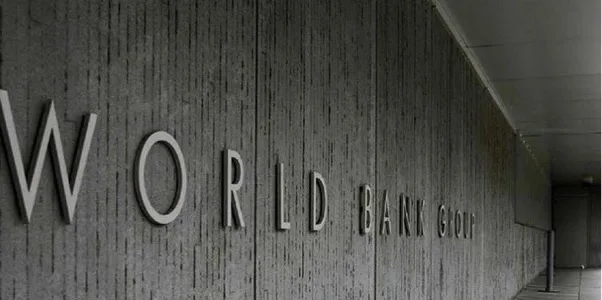
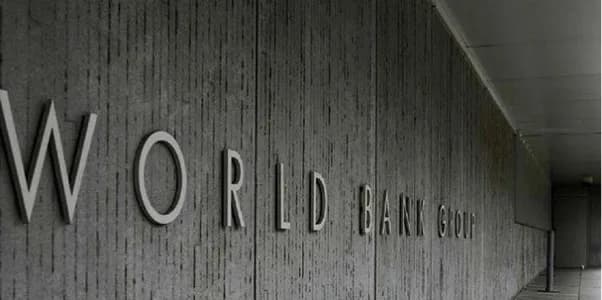
In response to Uganda’s passage of stringent anti-LGBTQ legislation, including provisions for the death penalty in certain cases, the World Bank has decided to halt new loans to the East African country.
This significant move by the World Bank comes roughly three months after Ugandan President Yoweri Museveni signed a controversial bill into law that mandates life imprisonment for certain sexual acts and even the death penalty for “aggravated homosexuality,” which includes situations in which one participant is HIV-positive. The global financial institution, headquartered in Washington, expressed strong opposition to Uganda’s Anti-Homosexuality Act, claiming that the legislation contradicts the World Bank’s fundamental values. The World Bank stated in an official statement released on Tuesday, “Uganda’s Anti-Homosexuality Act contradicts the World Bank’s values.” No new public financing will be presented to our board of executive directors after a review of our portfolio in light of the new legislation.”
While the World Bank’s decision carries significant moral weight, it also has economic implications for Uganda’s ambitious development plans. By 2040, the country hopes to have achieved the economic status of an upper-middle-income country. However, the suspension of new World Bank funding could jeopardise Uganda’s economic transformation strategy. According to the World Bank’s official website, the World Bank’s portfolio of funding to Uganda through the International Development Association totaled $5.4 billion as of the end of 2022.
The World Bank’s decision is part of a larger global trend of increased scrutiny of LGBTQ rights. This trend can be seen in various parts of the world, with the Indian government, for example, opposing legal recognition of same-sex marriages during a Supreme Court hearing on the subject. Similarly, anti-transgender legislation has been passed in several states across the United States. In Kenya, President William Ruto criticised a pro-LGBTQ ruling by the country’s highest court, and lawmakers in Ghana are debating punitive measures against the LGBTQ community.
Adonia Ayebare, Uganda’s UN representative, expressed her displeasure with the World Bank’s decision in a post on the social media platform X (formerly known as Twitter). Ayebare labelAyebare called the bank’s move “draconian” and called for immediate reforms within the institution. World Bank’s involvement with Uganda encompasses several aspects:
The bank’s private lending arm, the International Finance Corp., had previously committed $170.6 million for investment and advisory services by June 2022.
The Multilateral Investment Guarantee Agency, a World Bank Group member, reported a gross exposure of $463.8 million at the end of the previous year.
Recently approved International Development Association funding included $566 million for urban development, $354.7 million for climate and agriculture projects, and $217 million to support women-owned businesses.
The World Bank tweeted its position on August 8, 2023, stating that Uganda’s Anti-Homosexuality Act contradicts the institution’s core values. Some see the bank’s decision as irrational, prompting reflections on the universality and contested nature of the values invoked in this context. This event also emphasises the importance and urgency of reforms, including potential changes to the World Bank’s decision-making structure.
To summarise, the World Bank’s decision to suspend new funding to Uganda due to its anti-LGBTQ laws has both ethical and economic implications for the country’s development aspirations. This development fits into a larger global context in which LGBTQ rights are facing increasing challenges and debates.