
The Government's Launch of a Solar Loan Scheme: Eligibility and Benefits
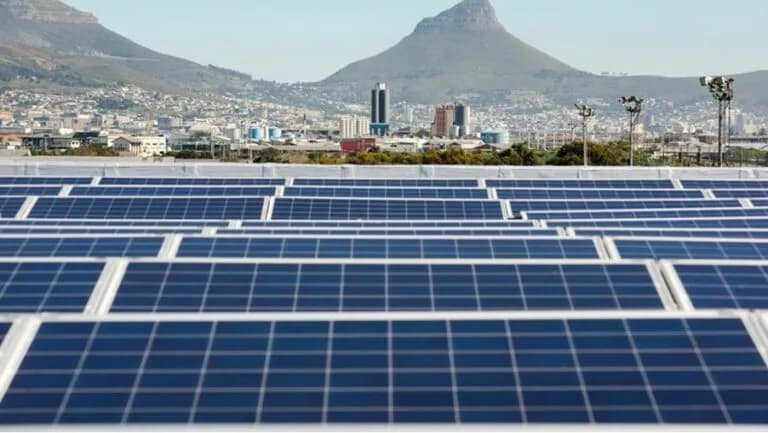
The government has finally implemented the much-anticipated Energy Bounce-Back Loan Scheme, which is aimed at increasing the adoption of solar energy. This initiative, which aims to provide both households and small businesses with the financial means to adopt solar solutions, holds the promise of mitigating the negative effects of erratic power supply and load shedding.
The-Governments-Launch-of-a-Solar-Loan-Scheme-Eligibility-and-Benefits
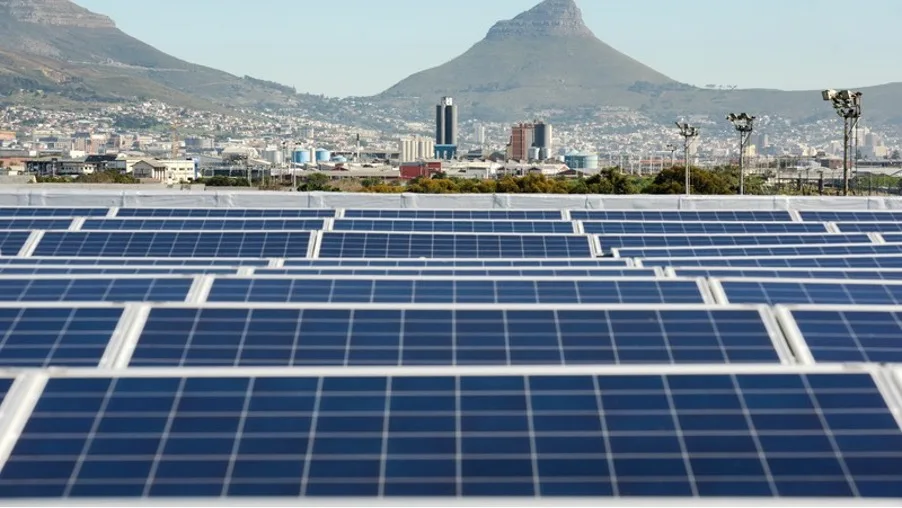
The government has finally implemented the much-anticipated Energy Bounce-Back Loan Scheme, which is aimed at increasing the adoption of solar energy. This initiative, which aims to provide both households and small businesses with the financial means to adopt solar solutions, holds the promise of mitigating the negative effects of erratic power supply and load shedding.
The scheme’s origins can be traced back to President Cyril Ramaphosa’s February 2023 State of the Nation Address, in which he unveiled the blueprint for a brighter energy future. The scheme’s primary goal is to encourage small businesses to invest in solar infrastructure, thereby protecting their operations from disruptions caused by power outages. Finance Minister Enoch Godongwana reiterated this commitment in his subsequent budget speech.
The Scheme’s Highlights:
Guaranteed Loans for Solar Investment: At the heart of this scheme is a solid mechanism for guaranteeing solar-related loans to small and medium-sized businesses. For defaulted loans, the government assumes a 20% first-loss basis, reducing risk for financial institutions. Notably, this safeguard is also extended to homeowners who want to take advantage of the benefits of rooftop solar installations.
Dual Advantages for Households and Small Businesses: This initiative is strategically designed to benefit both households and small businesses. It is a critical component of the overall strategy to mitigate the effects of unreliable power supply on businesses and daily life.
Increased Generation Capacity: The scheme aims to boost the country’s energy capacity by 1,000 megawatts (MW) over the next year. This surge in generation aims to provide resilience against load shedding, benefiting micro and informal businesses in particular.
Tax Credits: As an additional incentive, households can claim tax credits of up to 25% of the total cost of solar photovoltaic (PV) panels, up to a maximum of R15,000. Similarly, businesses can take advantage of a 125% tax deduction for renewable energy projects. Individuals can benefit from both tax breaks and the Energy Bounce-Back Scheme at the same time.
Understanding the Mechanisms: The scheme works on three different levels, each catering to a different segment of the solar ecosystem:
Loan Guarantee for Small Businesses and Households: This mechanism facilitates loans for rooftop solar investments, encompassing solar panels, batteries, inverters, and installation-related expenses. Notably, it also extends to small portable batteries for informal businesses, bolstering their resilience against power disruptions.
Loans for Energy Service Companies (ESCOs): Loans are available to energy service providers who specialise in solar PV systems in order to improve their services to households and small businesses. The loan allows ESCOs to expand leasing options and power purchase agreements, allowing for greater solar adoption.
Working Capital Loans for Solar Suppliers: Companies that provide rooftop solar solutions can obtain working capital loans to expedite equipment procurement, streamline the supply chain, and reduce delays.
Prospects for the Future: An upcoming collaboration with the Industrial Development Corporation (IDC) aims to encourage new entrants into the ESCO sector. More information about this collaborative instrument will be released in due course. Leading commercial banks such as Absa, First National Bank, and Standard Bank are currently active participants in the scheme.
Criteria for Eligibility:
Small and medium-sized businesses with annual revenues of less than R300 million are eligible. Commercial banks can provide access to the scheme for Development Finance Institutions (DFIs) and non-bank lenders up to R300 million per entity.
Loan Limits: Businesses can borrow up to R10 million, while small and micro businesses can borrow up to R30,000 for resilience measures. Households interested in installing rooftop solar can apply for loans of up to R300,000.
Rooftop Solar Supply Chain: Businesses operating in the rooftop solar supply chain can obtain working capital loans of up to R100 million. Installers, who are critical to the installation process, can also apply for loans up to R100 million.
Flexibility for Previous Loan Recipients: Entities previously declined for loans or those benefiting from the 2021 Covid-loan Guarantee Scheme or the 2022 Bounce Back Guarantee Scheme can still apply for loans under the Energy Bounce-Back Scheme.
Interest Rates and Application:
The interest rates for these loans are capped at the repo rate prevailing at the loan’s inception, plus an additional 6%.
To take advantage of this game-changing scheme, interested parties should contact their banks to inquire about participation. When a bank does not participate, individuals can look into other options from participating commercial banks, DFIs, and non-bank finance providers.
Finally, the Energy Bounce-Back Loan Scheme is poised to reshape South Africa’s energy landscape by encouraging widespread solar adoption. The government has established a comprehensive framework to combat the challenges posed by erratic power supply by targeting both households and small businesses. This scheme not only allows businesses to invest in solar infrastructure, but it also ensures that everyone has access to the path to energy resilience. As the country moves towards a greener future, the scheme demonstrates the government’s dedication to sustainable energy and economic growth.