South Africa's Regulation Prevents Starlink from Bridging the Digital Divide
The South African government has imposed a regulation that requires Elon Musk's Starlink to hand over at least 30% of its equity to historically disadvantaged groups in the country. In response to this regulation, the government has stated that South Africans will never receive free internet or data unless it is provided by an ANC
South Africa's Regulation Prevents Starlink from Bridging the Digital Divide
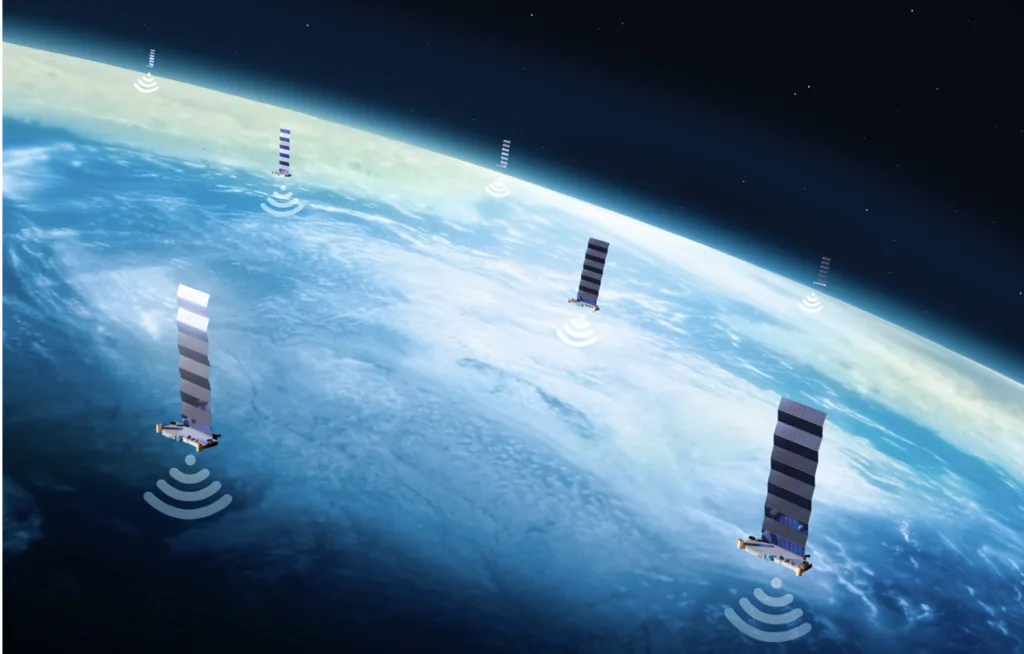
The South African government has imposed a regulation that requires Elon Musk’s Starlink to hand over at least 30% of its equity to historically disadvantaged groups in the country. In response to this regulation, the government has stated that South Africans will never receive free internet or data unless it is provided by an ANC cadre or tenderpreneur. This regulation makes it impossible for Starlink to operate in South Africa, denying millions of people access to technology.
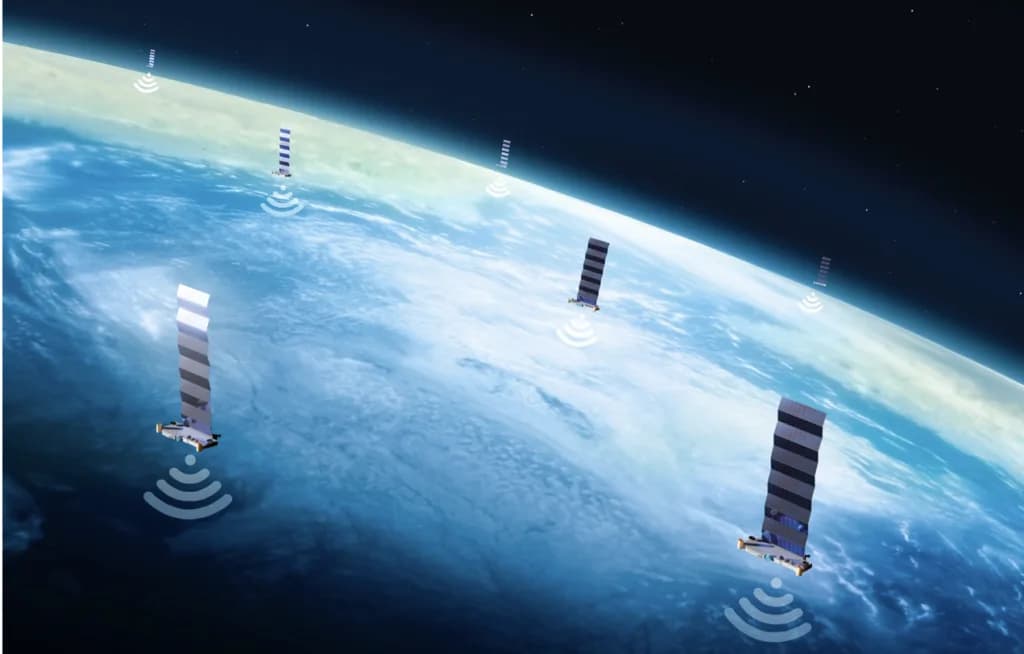
Starlink is the world’s first and largest satellite constellation, capable of supporting streaming, online gaming, video calls, and other applications. South Africa, on the other hand, appears to be one of the few African countries that will not implement Starlink. At least 20 African countries have either launched or are planning to launch Starlink in the near future. Mozambique and Botswana, two neighbouring countries, are even ahead of South Africa in terms of deployment.
If Starlink were available in South Africa, it would provide children in even the most remote areas with access to information and learning materials. People would also be able to educate themselves outside of the constraints of traditional universities or schools, which are out of reach for millions. Everyone would have access to streaming services where different trades and skills could be learned, and the government would have the opportunity to set up free online educational portals to give everyone a fighting chance of escaping high levels of unemployment.
The government, on the other hand, would prefer to keep South Africans in the digital dark, uneducated, and unable to create prosperous opportunities or lift themselves out of extreme poverty. This policy is absurd, and the ANC would rather ensure that its politically connected friends are awarded exorbitant tenders than actually make a difference in the lives of South Africans.
The DA has criticised this regulation and will write to the Minister requesting that it be amended to remove the archaic, irrational, and ridiculous barriers to progress. Furthermore, the DA will request that Elon Musk’s office and SpaceX submit an application to the ANC government to provide these services within South Africa, putting pressure on the ANC to allow South Africans to join the rest of the world online and avoid becoming digital pariahs of not only their own continent but the rest of the world.
Finally, the South African government’s regulation prevents Starlink from operating in the country, denying millions of people access to technology. The ANC government’s policy is illogical and prevents South Africans from creating prosperous opportunities for themselves or lifting themselves out of extreme poverty. The DA is urging the government to change these regulations so that South Africans can connect with the rest of the world online.