
Budget 2020: South Africans breathe a sigh of relief
Finance Minister Tito Mboweni promises no increase in VAT or personal taxes
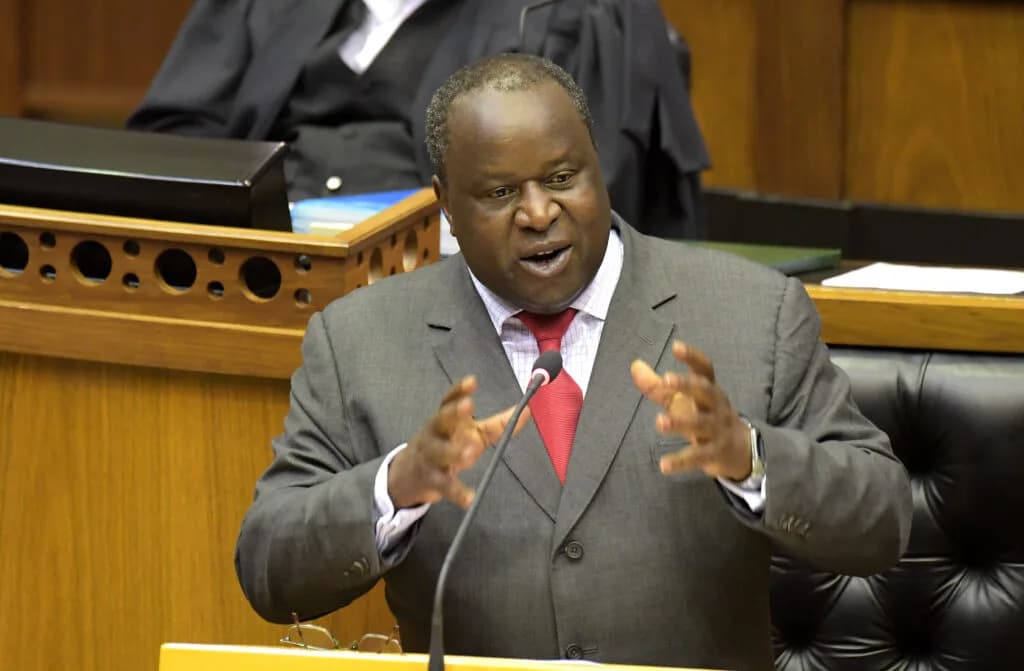
Budget 2020: South Africans breathe a sigh of relief
South Africans can breathe a sigh of relief after the National Treasury decided against increasing value added tax (VAT), pay-as-you-earn (PAYE) or other personal income taxes.
Prior to the much anticipated budget speech, Economists had expected an increase in these taxes to make up for the R63bn shortfall in government revenue, which is R10bn more than the shortfall announced by finance minister Tito Mboweni in October during the medium-term budget.
But the Treasury decided against increasing these taxes, saying South Africa had a relatively high tax-to-GDP ratio when compared with other countries at a similar level of development.
“New tax increases at this time could harm the economy’s ability to recover,” said Mboweni.
In 2018, government increased VAT from 14% to 15%, prompting a major outcry, especially from unions about the effect this would have on the poor.
Now the Treasury has announced further personal income tax relief, including an increase in the tax-free threshold from R79,000 to R83,000 a year.
Mboweni said further tax relief meant that workers who earned R460,000 a year would see their taxes reduced by almost R3,400 a year, while those earning R265,000 a year would enjoy tax reductions of more than R1,500 a year.
Mboweni told journalists he would have loved to have announced additional tax relief, but the scope didn’t allow for it.
“It would be foolhardy to increase taxes in such a difficult situation. In difficult situations such as this it would have been preferable to actually have far deeper tax cuts to spur demand and growth in the process.”
The Treasury was also mulling tax proposals which could result in a reduction in corporate tax for the first time in more than a decade, in a bid to boost economic growth.
According to the 2020 budget review, South Africa was considering lowering corporate income tax to below 28% because of the country’s declining competitiveness.
“Reducing the corporate income tax rate will encourage businesses to invest and expand production, improve the country’s competitiveness as an investment destination, and reduce the appeal of base erosion and profit sharing,” he said.
However, the government will closely watch and punish corporates that shift their profits to offshore destinations where taxes are lower.
To make up for no or lower tax increases for companies and individuals, the government is considering introducing new taxes elsewhere, including taxation of electronic cigarettes and heated tobacco products this financial year; as well as possible levies on plastic straws and plastic cutlery. These levies will be implemented only in the next financial year.