
South African Passport Ranks Higher Globally, but Questions Arise on Significance
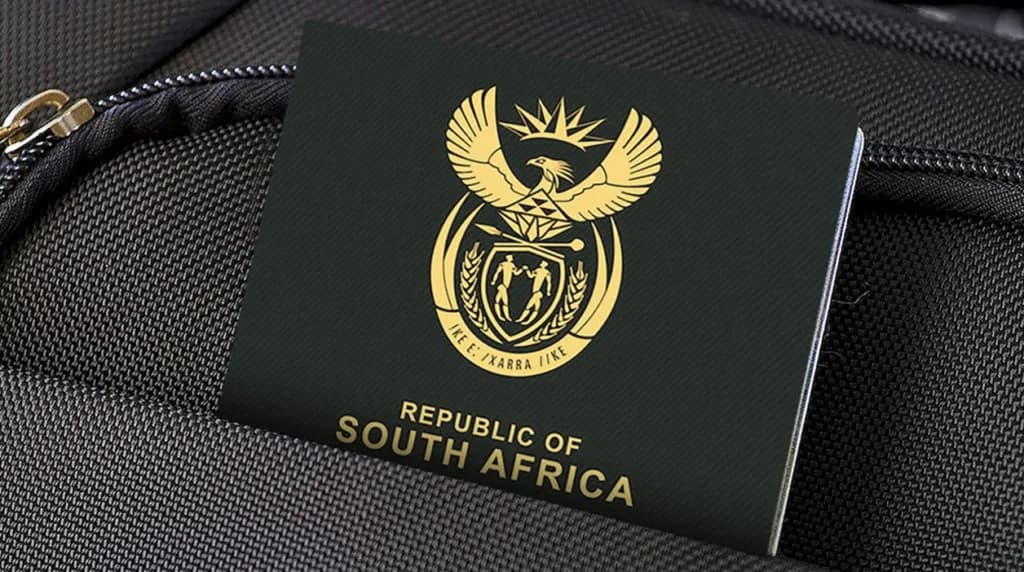
South Africa's passport strength has improved slightly in global rankings, climbing to the 51st position out of 103 countries in 2023, up from the 55th position in 2022. While this may be viewed as a positive development, the Tourism Business Council of South Africa (TBCSA) questions the significance of this improvement in a global context.
South African Passport Ranks Higher Globally, but Questions Arise on Significance
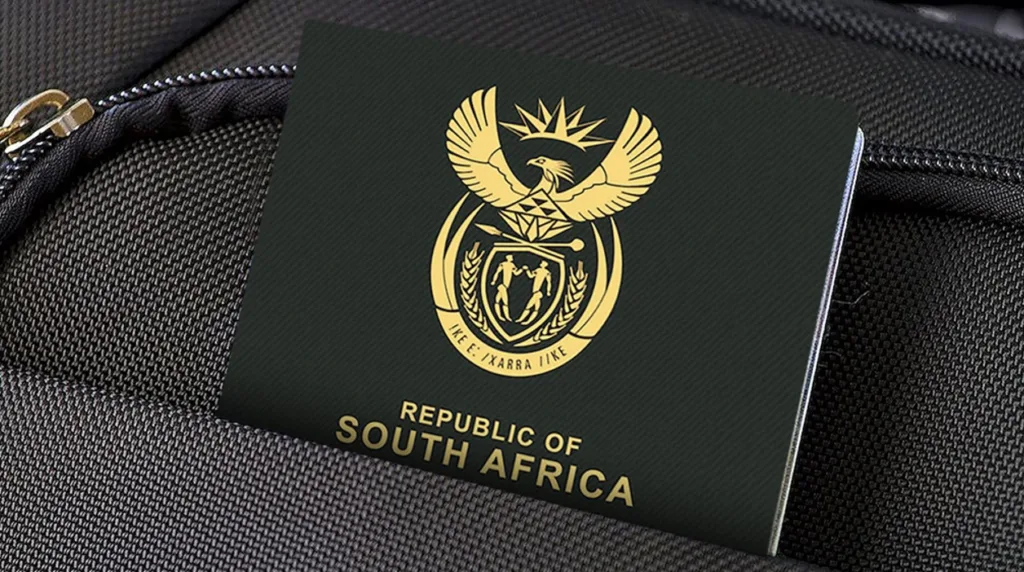
South Africa’s passport strength has improved slightly in global rankings, climbing to the 51st position out of 103 countries in 2023, up from the 55th position in 2022. While this may be viewed as a positive development, the Tourism Business Council of South Africa (TBCSA) questions the significance of this improvement in a global context.
According to Henley & Partners’ 2023 Henley Passport Index, South Africa’s passport is now the third most powerful in the African region, trailing only Seychelles (24th) and Mauritius (29th). Despite this improvement, TBCSA’s CEO, Tshifhiwa Tshivhengwa, cautioned that it is critical to analyse the factors contributing to this growth before celebrating the achievement.
Christian Kaelin, chair of Henley & Partners, points out that only eight countries have reduced their visa-free access over the last decade, while many others have improved their accessibility. For example, the United Arab Emirates (UAE) has made significant progress, adding 107 visa-free destinations to its score since 2013 and rising 44 places in the rankings to take 12th place. Colombia also made an impressive 28-place climb to 37th place.
While the TBCSA is unsure of the true impact of South Africa’s improved ranking, Tshivhengwa believes that the trust placed in the country’s passport by other nations reflects the country’s positive international standing. The ease with which South Africans can travel to numerous countries without requiring visas suggests that the country’s systems are trusted globally, which could attract more international tourists and boost investment in the local tourism sector.
Kaelin agrees, stating that a strong passport not only guarantees freedom of movement but also provides significant financial benefits in terms of international investment and business opportunities. The value of a strong passport will only increase as geopolitical volatility and regional instability increase, making global connectivity and access critical features of wealth creation and preservation.
Despite the improvements, South Africa’s passport still lags far behind Singapore’s passport, which grants visa-free access to an impressive 192 destinations. Japan, which had previously held the top spot for five years in a row, is now tied for third place with Germany, Italy, and Spain, all of which offer visa-free access to 190 destinations.
One major criticism of the study is the gap between developed and developing economies. While developed countries frequently enforce strict visa policies, they enjoy widespread visa-free access to other countries, particularly those in the developing world. According to the Henley Openness Index, the top 20 most open countries are primarily found on small islands and on the African continent.
Countries such as the United States, New Zealand, and Japan are mentioned for their seemingly unwelcoming visa policies, which grant their citizens broad visa-free access but restrict entry of other nationalities. According to additional research by Henley & Partners, progressive open-door visa policies are critical in fostering links with traditionally resistant nations, allowing valuable visa waivers to popular destinations for their citizens.
Visa policies can have a big impact on a country’s passport power, making it more appealing to foreign investors looking for citizenship or residency through investment opportunities. Visa-free access to stable economies and key markets opens doors to lucrative jurisdictions, reduces risks, and fosters valuable partnerships with industry leaders, innovators, and investors.
To summarise, South Africa’s improved passport ranking is unquestionably a positive development, but its significance should be carefully considered. Global trust and recognition can lead to increased tourism and investment opportunities. To truly understand the impact of a country’s passport strength, however, it is critical to consider the broader dynamics of visa policies and their effects on global accessibility.