SOUTH AFRICA IS FACING A FUEL SHORTAGE
Following a crippling strike at Transnet last week, the Democratic Alliance says it is seeking answers from the national government as soon as possible. While the strike has ended, the party stated that ports and transportation networks have been severely disrupted, and fuel industry players have warned that the country is on the verge of
SOUTH AFRICA IS FACING A FUEL SHORTAGE
Following a crippling strike at Transnet last week, the Democratic Alliance says it is seeking answers from the national government as soon as possible.
While the strike has ended, the party stated that ports and transportation networks have been severely disrupted, and fuel industry players have warned that the country is on the verge of a major fuel supply crisis due to a lack of refined fuel stocks.
Transnet employees returned to work last week Friday (21 October), but the company warned that clearing immediate backlogs would take several weeks, with analysts projecting that operations would not resume until early 2023.
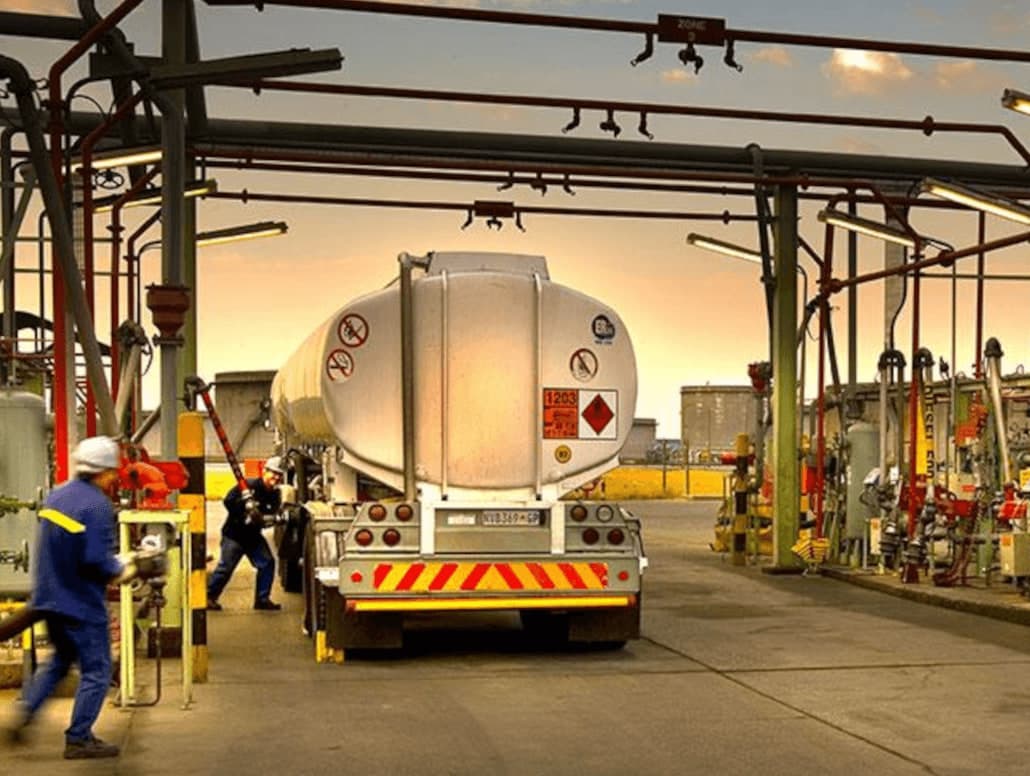
Even before the strike began, South Africa was experiencing a fuel crisis, with airports warning of jet fuel rationing and power utility Eskom raising concerns about its ability to obtain enough diesel for its generators.
According to Kevin Baart, head of strategic projects and regulation at the South African Petroleum Industry Association (SAPIA), the Durban port is near capacity, as a result of the closure of several refineries in the country and increased reliance on imports.
Speaking to News24, he said that increased imports would strain fuel pipeline networks, “jeopardizing fuel supply to the inland economic hubs of South Africa”.
South Africa has two operational refineries in 2019, with a third, the Astron Energy refinery, set to open by the end of the year.
The DA pointed out that South Africa has been dealing with fuel supply issues for nearly two decades, with the most recent major crisis occurring in 2005.
“Since the release of the Moerane Commission of Inquiry Report into the fuel crisis that occurred in South Africa in November/December 2005, the ANC government has failed to implement the strategic refined fuel reserves recommendation, placing the country at severe risk of fuel shortages should there be a major disruption in the fuel supply chain,” it said.
According to the party, a 2006 committee determined that the country does not have strategic refined product inventories and recommended that the government reconsider its policy on strategic fuel stocks.
“Through public/private partnerships, the commission advised that oil companies and synthetic fuel plants should be obliged to hold prudent commercial levels of refined product stock. 16 years later, this has not been implemented,” it said.
Disruption in the supply of refined liquid fuel caused by inadequate port infrastructure, ongoing labor action, and a lack of refining capacity, according to the report, will have far-reaching consequences for the economy and social order.
“The immediate impact will be the upending of supply chains, which will severely constrain productivity in the economy. Consumers could potentially face a food supply crisis as food wholesalers and distributors struggle to transport food stocks where they are needed.”
South Africa’s freight industry has previously warned of tighter operations due to rising demand for diesel both domestically and internationally, particularly as European countries have had to turn to alternative fuel sources in preparation for winter.
Diesel prices are skyrocketing in Europe and the United States, causing a new round of inflation pressure ahead of a winter with major supply disruption, according to Bloomberg.
It was the biggest price increase in moths, heralding a winter in which Europe, in particular, is expected to face supply disruptions as it attempts to wean itself off Russian-made fuels. Industrial consumers substituting oil for natural gas, the price of which has risen since the start of the Ukrainian conflict, is also positive for demand.
“Higher diesel prices have the potential to create even stronger inflationary pressures, especially if the current price spike is sustained, adding significant downside risk to demand and increasing the chances of a global recession,” it said.
Diesel prices in South Africa are expected to rise by much as R1.61 in November.
According to the Road Freight Association, the situation has become critical for many transporters, who cannot longer absorb additional costs.
“Diesel is the fuel source used by most transport companies in South Africa; it is the energy source that drives our logistics chain,” said the association’s Gavin Kelly.
“Every time it increases, it increases the cost of moving the goods through South Africa. We are very aware that the diesel price is determined by external factors; however, the reality is every time the price increases, transporters have to pass that cost on. They cannot absorb it.”
Main Image: NTN News