
Sipho Pityana Makes Progress in Absa Case Following Removal as Director
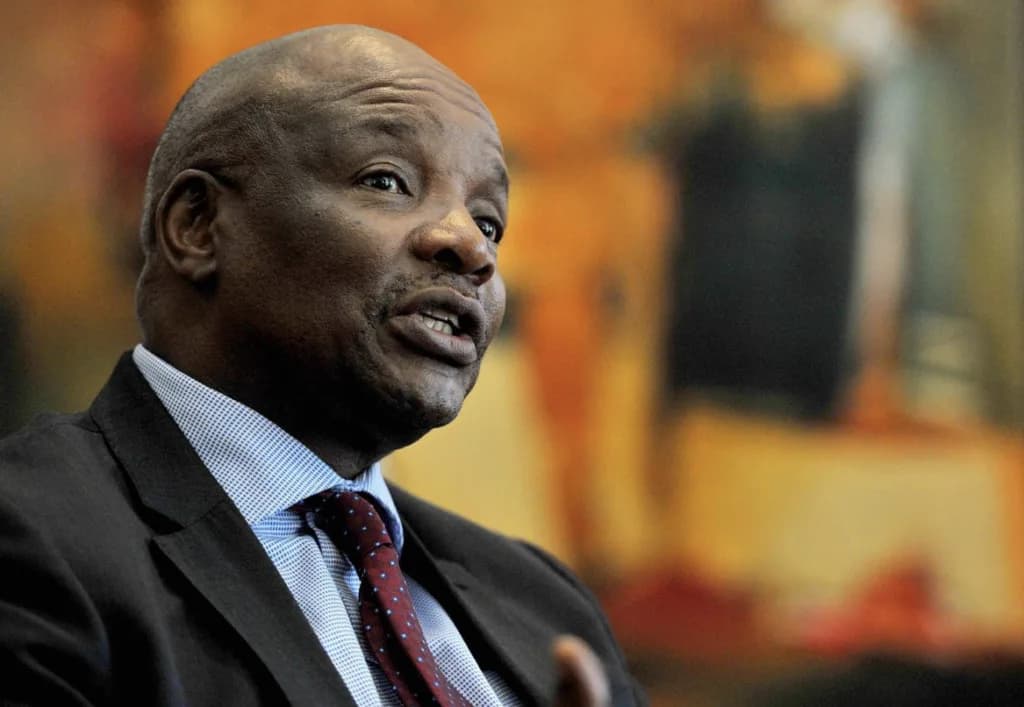
The Pretoria High Court recently ruled that Absa must provide its record of decision regarding the removal of former lead independent director Sipho Pityana from the board in November 2021. Pityana was accused of sexual harassment by an employee during his tenure as chairman of AngloGold Ashanti, which he categorically denies. As a result, Pityana
Sipho Pityana Makes Progress in Absa Case Following Removal as Director
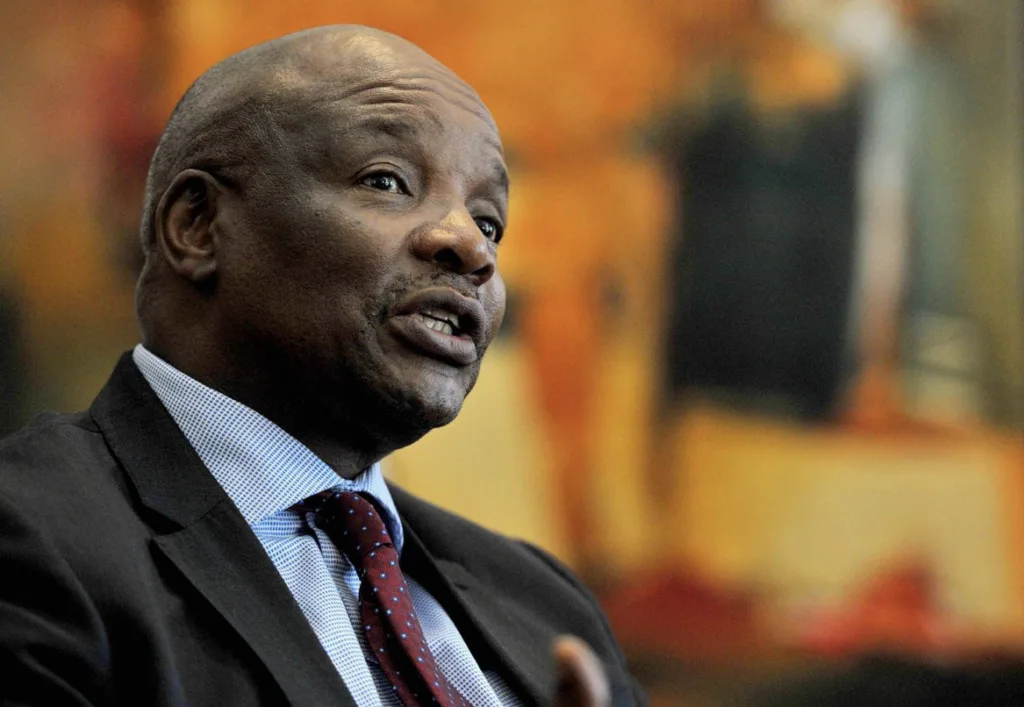
The Pretoria High Court recently ruled that Absa must provide its record of decision regarding the removal of former lead independent director Sipho Pityana from the board in November 2021. Pityana was accused of sexual harassment by an employee during his tenure as chairman of AngloGold Ashanti, which he categorically denies. As a result, Pityana argued in court that his removal as an Absa director was illegal, resulting in damage to his reputation and denial of the position of Absa chair to replace Wendy Lucas-Bull.
In relation to the allegations, two investigations were carried out. Pityana did not fare well in the first trial, which was conducted by AngloGold Ashanti. However, a subsequent investigation commissioned by Absa by senior attorney Peter Harris discovered flaws in the initial report, stating that it lacked corroborating evidence from independent sources. Furthermore, the South African Reserve Bank’s Prudential Authority became involved in the proceedings amid claims that it had prematurely objected to Pityana’s nomination as Absa chair, thereby undermining his chances of being nominated.
The bank initially claimed that Pityana had used the incorrect court rule in requesting access to its decision record. The court, however, ruled in Pityana’s favour, stating that he had followed the correct rule (Rule 53). Pityana claimed that Absa must now provide the missing record of the decision regarding his removal, allowing him to strengthen his case that he was illegally removed as a director.
Pityana was pleased with the recent ruling because it will help to substantiate his claim that he was wrongfully removed from Absa’s board. He also mentioned the significant prejudice he has faced as a result of these events, both personally and professionally.
In a separate case, Pityana is awaiting a decision on his request for all board minutes pertaining to his nomination. Absa issued a statement in response to the court ruling, indicating that it is evaluating the decision and considering its next steps. The bank emphasised that the outcome of the interlocutory application has no bearing on its position in the review application, and it looks forward to the conclusion of the legal proceedings.
Pityana’s statement following the judgement questioned Absa’s reluctance to release the missing records, especially given the company’s status as a publicly traded entity with a diverse range of shareholders, including everyday workers, unemployed individuals, high-net-worth individuals, and institutional investors. Pityana expressed her eagerness to move forward with the review application in order to conduct a thorough investigation into the matter and the conduct of Wendy Lucas-Bull and the board.
While Absa is facing costs, the bank has refrained from commenting further, citing ongoing legal proceedings.
Finally, the Pretoria High Court’s ruling ordering Absa to provide its record of decision is a significant step forward in Sipho Pityana’s case against the bank. As the legal proceedings progress, both parties await further developments, with Pityana determined to prove the alleged unlawful nature of his removal and the resulting damage to his reputation, and Absa evaluating its position and awaiting the conclusion of the court proceedings.