
Rwanda puts $1.6 million into electric transport
Rwanda has launched a $1.6 million project to support electric transport. The programme will run from 2026 to 2030.Rwanda’s environment authority launched the project on August 26. It will focus on electric mobility policy, demonstration projects and the wider use of electric vehicles. For small businesses, the programme could affect delivery costs and motorcycle operations.
Rwanda puts $1.6 million into electric transport
Rwanda has launched a $1.6 million project to support electric transport. The programme will run from 2026 to 2030.Rwanda’s environment authority launched the project on August 26. It will focus on electric mobility policy, demonstration projects and the wider use of electric vehicles. For small businesses, the programme could affect delivery costs and motorcycle operations. It could also create opportunities in charging, vehicle maintenance and financing. The benefits for SMEs will depend on the cost of switching to electric vehicles. Access to charging infrastructure will also matter.
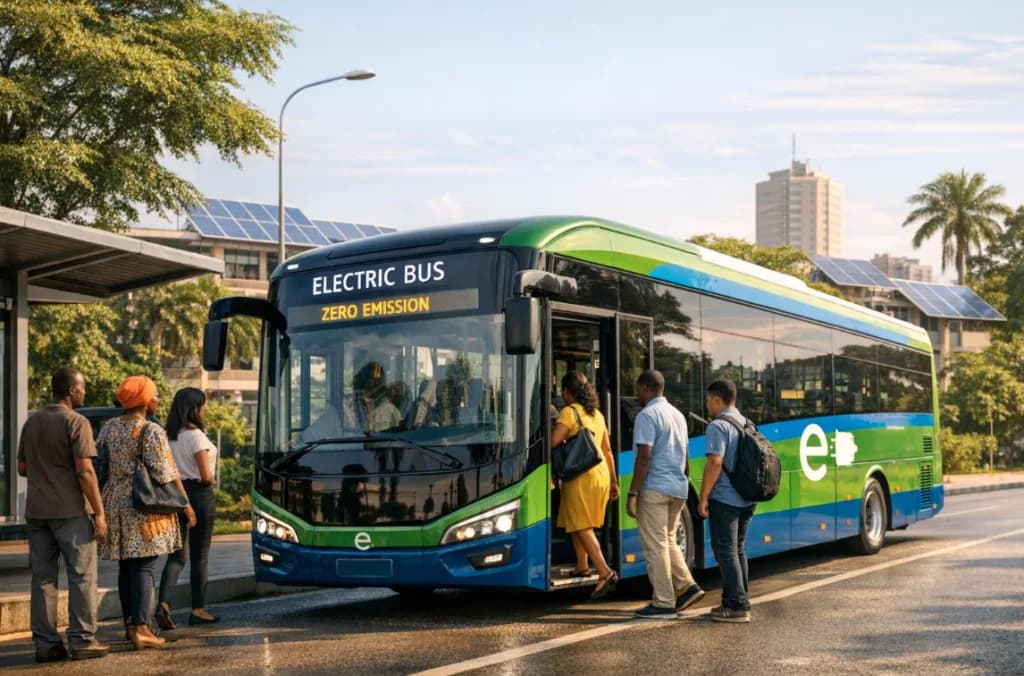
Electric mobility is not new to Rwanda. Electric motorcycles are already being used in the country. Electric buses have also been introduced to public transport. Motorcycles play an important role in Rwanda’s transport system. They carry passengers, deliver goods and handle many short trips. That puts motorcycle operators among those likely to feel the impact of the switch to electric vehicles. Small retailers, restaurants, courier companies and online sellers could also be affected. Many of these businesses use motorcycles for deliveries. Replacing a petrol motorcycle with an electric model could lower some running costs. The savings would still need to justify the purchase price.
The cost will matter to SMEs
Buying an electric vehicle is a business decision for an SME. The upfront cost will be one of the main concerns. Electric motorcycles can cost more than petrol-powered models. Running costs may be lower over time. The initial price can still be difficult for a small business to absorb. Financing could make the switch easier. Affordable loans would allow businesses to spread the cost over several years. Expensive financing could have the opposite effect. Smaller operators may continue using petrol vehicles even if electric models are cheaper to run.
Fuel is a regular expense for businesses that use vehicles. Delivery companies pay for petrol on every trip. Restaurants, retailers and tradespeople face similar costs when their work involves regular travel. Electric vehicles could reduce some of this spending. They do not need petrol and can have lower maintenance costs. The actual saving will depend on several factors. Electricity prices, battery life and vehicle range will all play a part. Charging access will matter too. An SME that can charge vehicles at its own premises has an advantage. Another business may have to send drivers to a public charging point. For a company running several vehicles, those costs can add up each month.
More electric vehicles will create demand for services around them. Local businesses could provide charging and battery-swapping services. Others could install and maintain charging equipment. Motorcycle workshops may also need new skills. Electric motorcycles require different knowledge from petrol-powered bikes. Technicians will need to understand electric drivetrains, batteries and charging systems. Businesses with suitable premises could install charging points. They could then charge drivers for using them. The change could therefore create opportunities beyond the companies that sell electric vehicles.
Delivery businesses could feel the impact first
SMEs that depend on motorcycles have a direct interest in electric mobility. Food delivery companies rely on motorcycles to keep orders moving. Pharmacies, retailers and courier businesses use them to move goods. Lower running costs could make electric motorcycles attractive to these businesses. There are still several costs to consider. These include the purchase price, financing, charging, maintenance and battery replacement. The size of the fleet will also affect the decision. A company with five motorcycles will have different needs from one with 50 or 100. Data from Rwanda’s demonstration projects could help businesses compare these costs.
Smaller businesses could supply the new market
Electric mobility could create work for SMEs that do not operate vehicles. Charging stations will need to be installed and maintained. Electric vehicles will also need servicing and repairs. Batteries and other components will eventually need replacement. Training companies could benefit too. Mechanics and technicians will need to learn how to work on electric vehicles. Other opportunities could emerge in vehicle leasing and financing. Logistics companies and software providers could also find new customers. As the market grows, more small businesses could make money from keeping electric vehicles on the road.
Government policy will have a direct effect on the electric vehicle market. Taxes and import rules can change the price of vehicles and batteries. Licensing rules can also affect businesses operating electric vehicles. Charging standards will matter as more charging points are installed. Incentives could also make electric vehicles cheaper to buy or operate. For an SME, even a small change in import costs can affect the decision to switch. Businesses also need rules they can plan around. A company is more likely to invest when it knows what the regulatory environment will look like.
SMEs will want to see the numbers
The $1.6 million project will not make electric vehicles affordable for every business. SMEs will look at the numbers before making the switch. How much does an electric motorcycle cost? How much does it cost to charge? How long does the battery last? Businesses will also want to know how far a motorcycle can travel in a working day. Maintenance costs and financing will matter too. Most importantly, owners will want to know how much they can save compared with petrol. For a business with tight margins, lower fuel costs may not be enough. A much higher purchase price could still make an electric vehicle difficult to justify.
Rwanda’s electric transport plans could create both costs and opportunities for SMEs. Businesses that depend on petrol-powered vehicles may eventually need to consider electric alternatives. At the same time, new demand could emerge for charging, repairs, financing, leasing and other services. The $1.6 million programme will not transform Rwanda’s transport system on its own. Its success will depend on what happens during the four-year programme. The demonstration projects will need to show whether electric transport works for drivers, businesses and transport operators.