Rwanda receives 40,000 tonnes of fuel through Kenya as supply deal takes shape
Rwanda has received a 40,000-tonne shipment of refined petroleum products through Kenya, giving the landlocked country another route for bringing fuel into its market.
Rwanda
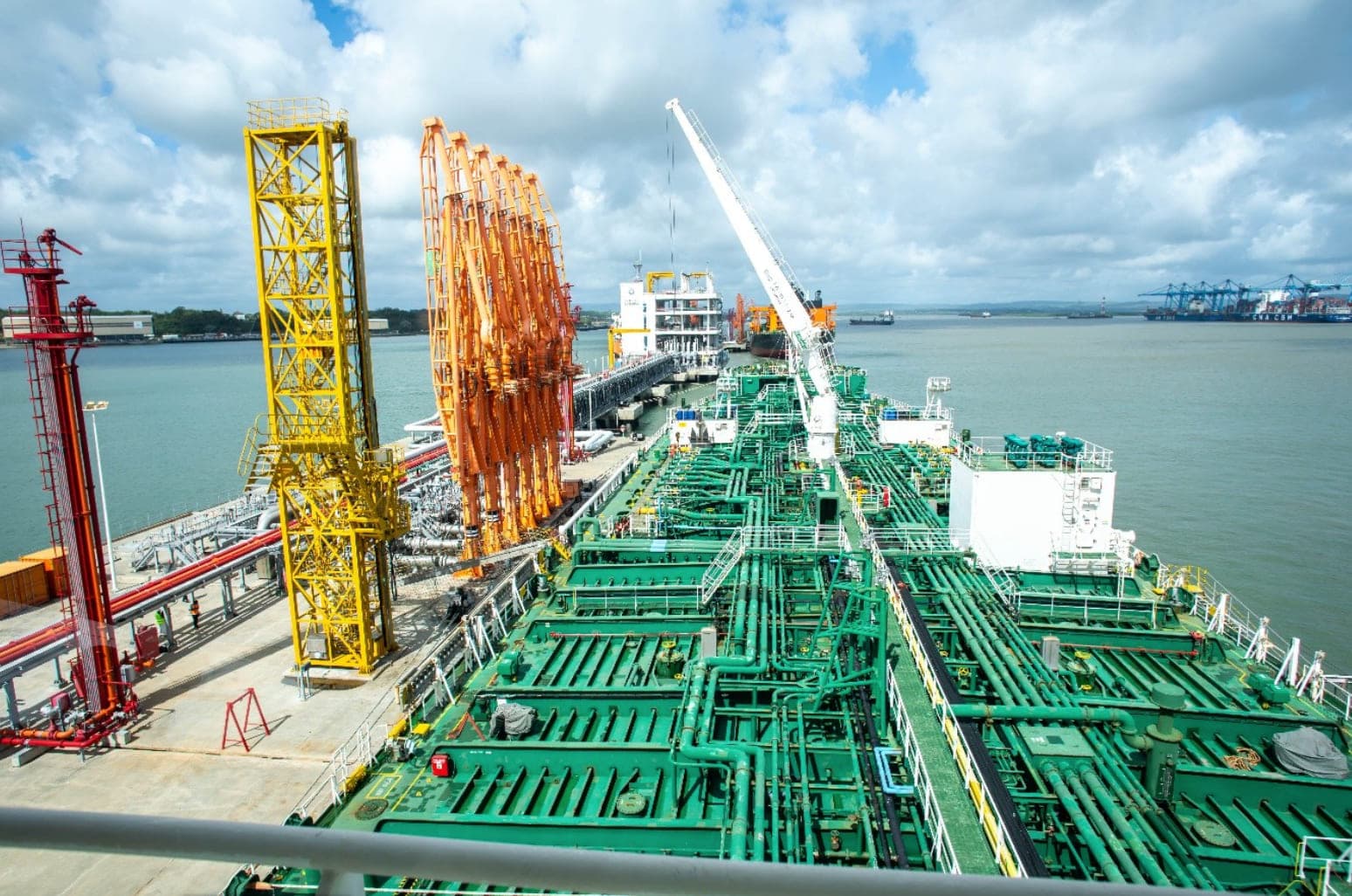
Rwanda has received a 40,000-tonne shipment of refined petroleum products through Kenya, giving the landlocked country another route for bringing fuel into its market. The shipment arrived at Kenya’s Kipevu Oil Terminal 2 on September 29.
AI-generated summary. It can miss nuance — read the full story above for the complete picture.
Rwanda has received a 40,000-tonne shipment of refined petroleum products through Kenya, giving the landlocked country another route for bringing fuel into its market. The shipment arrived at Kenya’s Kipevu Oil Terminal 2 on September 29. It follows an agreement signed by the two governments in June to use Kenya’s port, pipeline and storage facilities to handle fuel destined for Rwanda.
Under the arrangement, Rwanda can buy fuel independently and use Kenya’s infrastructure to bring it inland. The deal is expected to increase the volume of petroleum products moving through Kenya to the Rwandan market. For Rwanda, the issue is straightforward: fuel must travel through neighbouring countries before it reaches local distributors and filling stations. The route it takes, and what it costs to use that route, matter to the businesses that depend on regular supplies.
Kenya expects a tenfold increase in fuel volumes
“Rwanda has another route for bringing fuel into the country, but businesses will want to know whether it can deliver supplies at a lower cost.”
Kenya Pipeline Company expects the volume of fuel transported through the Northern Corridor for Rwanda to rise from about 60,000 cubic metres a year to 600,000 cubic metres. If that target is reached, significantly more petroleum products will move through Kenya’s transport and storage network.
The increase could create more work for companies involved in handling fuel, moving it between facilities and distributing it to customers. Businesses providing transport and related services may also benefit from the higher volumes. Kenya’s position as a gateway for fuel imports into East Africa is important here. Petroleum products arriving at the coast can be moved inland through the pipeline network and then transported to markets that depend on imports. However, higher volumes do not automatically mean lower costs. The commercial benefit will depend on how efficiently the fuel moves through the system and what importers pay for the different services involved.
Why the route matters to Rwanda
Unlike countries with direct access to the sea, Rwanda depends on neighbouring states to move imported goods from ports to its domestic market. Fuel has to travel from the coast through several stages before it reaches a filling station or business. Each stage comes with costs, including handling, storage and transport.
A disruption along the route can also delay deliveries. For businesses that rely on diesel or petrol, delays can affect transport schedules, operating costs and the ability to deliver goods on time. Using Kenya’s infrastructure gives Rwanda another option for receiving fuel. The country has also been using routes through Tanzania, including the Port of Tanga, to bring in petroleum products. Having access to different corridors gives fuel importers more flexibility when arranging shipments. It can also reduce dependence on one route, although the actual benefit depends on the capacity and cost of each option.
The businesses behind the fuel trade
The fuel trade involves more than the companies buying and selling petroleum products. Port operators handle incoming shipments, storage facilities hold fuel before distribution, and pipeline operators move it inland. Transport companies then help deliver products to their destinations. An increase in Rwanda bound fuel volumes could mean more activity for some of these businesses, particularly those operating along the route from the Kenyan coast. For Kenyan logistics companies, the arrangement could bring additional demand for services linked to petroleum imports. For Rwandan distributors, it provides another supply channel to work with when planning purchases and deliveries.
The agreement also includes storage arrangements at Kipevu as Rwanda works to expand its own fuel storage capacity. Storage matters because it allows fuel to be held before it is needed, rather than requiring every delivery to reach customers immediately. More information is still needed to establish which companies will handle the additional volumes and how much business the arrangement could generate for transport and storage operators.
Will the deal bring down fuel prices?
That is likely to be one of the main questions for businesses and motorists in Rwanda, but the shipment alone does not show that prices will fall. The final price of fuel depends on several factors. These include the cost of buying the product, international shipping charges, storage and pipeline fees, road transport costs and the margins charged by distributors. Using a different route may help an importer manage some of these expenses, but it does not guarantee savings. If transport or handling costs are high, those expenses can still feed into the price paid by the customer.
To establish whether the Kenya arrangement will make fuel cheaper, more information would be needed on the costs under the new deal and how they compare with existing supply routes. The same applies to reliability. The arrangement gives Rwanda another way to receive fuel, but its value will depend on whether shipments arrive consistently and whether the route can handle the expected increase in volumes.
What happens next?
The next step will be to see whether fuel deliveries through Kenya grow towards the projected 600,000 cubic metres a year. For Kenya, higher volumes would mean greater use of its petroleum infrastructure and potentially more work for businesses involved in fuel logistics. For Rwanda, the focus will be on securing supplies and managing the cost of getting fuel into the country. The agreement gives both countries a commercial reason to keep the route working. Kenya can earn more activity from its port, pipeline and storage facilities, while Rwanda gains another channel for importing an essential commodity.
Whether the arrangement also reduces costs for Rwandan businesses remains to be seen. For now, the clearest change is that Rwanda has another route for bringing fuel into the country, and Kenya expects more of that trade to pass through its infrastructure.