Lagos targets 3,000MW of power by 2027 as businesses face high electricity costs
For a small business in Lagos, an electricity bill does not always tell the full story of what it costs to keep the lights on. There is also the fuel for the generator, the repairs when it breaks down and the money lost when equipment cannot run.
Lagos
For a small business in Lagos, an electricity bill does not always tell the full story of what it costs to keep the lights on. There is also the fuel for the generator, the repairs when it breaks down and the money lost when equipment cannot run.
AI-generated summary. It can miss nuance — read the full story above for the complete picture.
For a small business in Lagos, an electricity bill does not always tell the full story of what it costs to keep the lights on. There is also the fuel for the generator, the repairs when it breaks down and the money lost when equipment cannot run. The Lagos State Government wants to increase electricity supply to 3,000 megawatts (MW) by March 2027, using new power sources and upgrades to the electricity network. The target is significant for a city where businesses depend on electricity to trade, manufacture goods, store food and provide services.
But the real test will be whether the additional power reaches the businesses that need it. The state has not yet detailed, in the information available, which projects will deliver the extra electricity or how much funding will be required.
Businesses are paying for backup power
“For businesses that spend money every week keeping generators running, the question is whether the 3,000MW target will bring a noticeable change to their electricity costs.”
Generator costs are part of daily business expenses for many Nigerian operators. A restaurant needs to keep its refrigerators running, a salon needs electricity for its equipment, and a workshop cannot complete every job if its machines keep stopping. When grid supply fails, businesses have to find another way to operate. That usually means spending more money on fuel and maintenance.
For a small business already dealing with rent, wages and stock costs, the extra expense can leave little room for growth. Some owners pass the cost on to customers, while others absorb it through lower profits. More reliable electricity could reduce the need to run generators for long periods. But businesses will only see meaningful savings if grid supply is consistent and the cost of buying electricity makes financial sense.
Where will Lagos get the extra power?
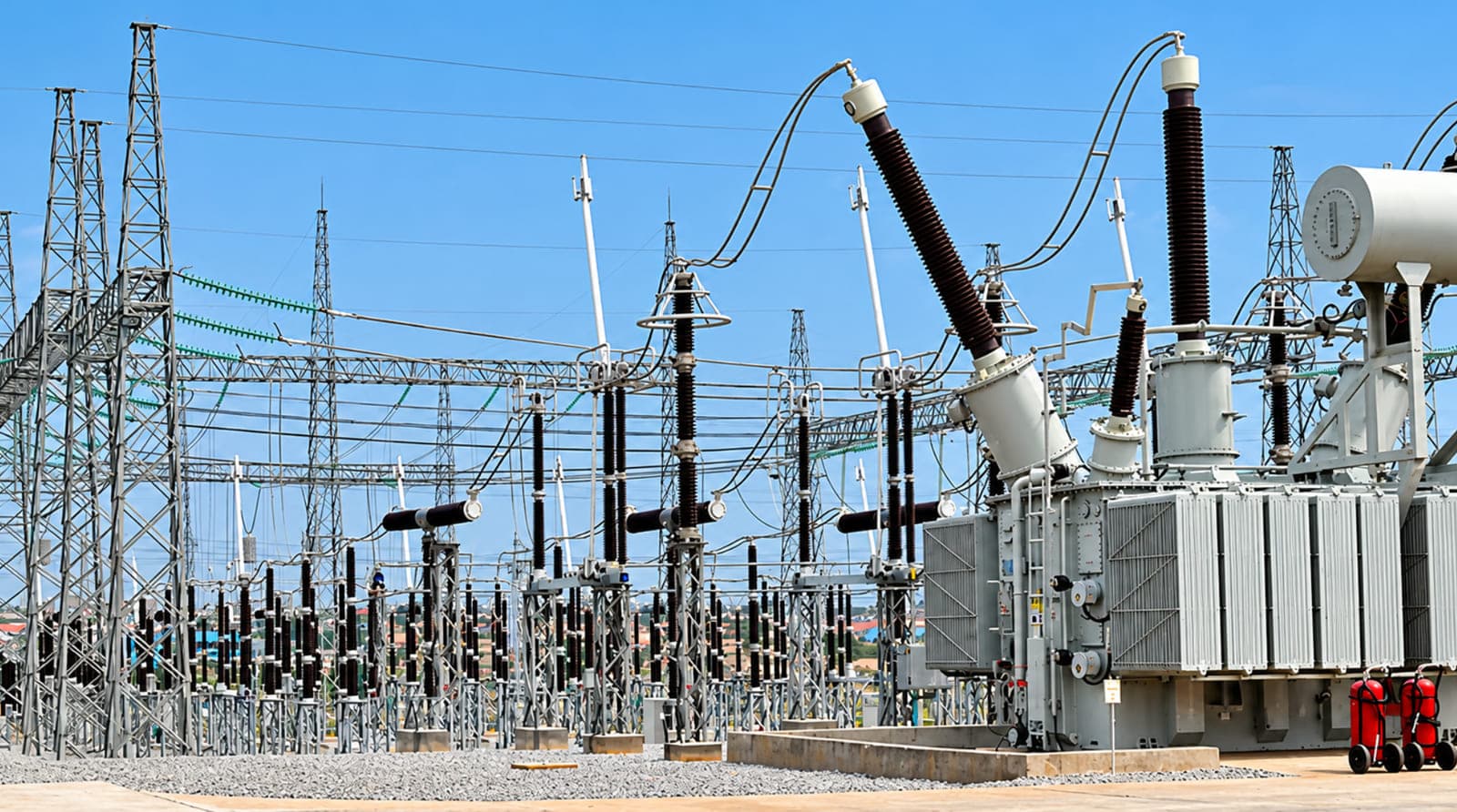
Lagos plans to increase supply through new sources of electricity and improvements to its network. The details matter because adding generation capacity does not automatically mean more power will reach every customer. Electricity must move through the network before it gets to a shop, factory or home. If the infrastructure cannot handle the additional supply, some customers may continue experiencing interruptions.
There are also practical questions about timing. With March 2027 as the deadline, the state needs to show which projects are ready, which still require investment and how the work will be completed. The available announcement does not identify the projects expected to contribute to the 3,000MW target. Without that information, it is difficult to assess how much additional supply Lagos can realistically deliver by the deadline.
The cost matters as much as supply
More electricity would be welcome, but businesses also need to know what they will pay for it. New power facilities and network upgrades require funding. The government has not detailed the financing arrangements in the information available, leaving questions about the roles of public funding and private investment. Private power companies could find opportunities in Lagos as demand for dependable electricity grows. However, they will need clarity on electricity tariffs, network access and the rules for supplying customers.
For business owners, the calculation is straightforward: if grid electricity becomes more reliable and affordable than running a generator, there is a reason to use less backup power. If supply remains unpredictable or tariffs are too high, the generator is likely to stay.
What businesses should watch next
The next announcements from Lagos will need to provide more detail than the 3,000MW headline. Businesses will want to know where the additional electricity will come from, which areas will receive it and when improvements are expected to take effect. They will also need evidence that the network can deliver the extra supply consistently, rather than simply a higher figure for available power. Lagos has set March 2027 as its target. For the businesses that spend money every week keeping generators running, the question is whether that deadline will bring a noticeable change to their electricity costs and working day. Until the projects and delivery plans are made clear, the target remains an ambition rather than a promise of uninterrupted power.