
Private sector credit extension growth is likely to have moderated further in July against a backdrop of higher interest rates
The domestic macro calendar is fairly busy this week. The SARB is hosting its Biennial Conference on Thursday and Friday under the theme ‘post-crisis lessons and policy challenges’. The SARB notes that the aim of this year’s conference is to bring together speakers to reflect on the challenges faced by central banks and other macro policy

Private sector credit extension growth is likely to have moderated further in July against a backdrop of higher interest rates
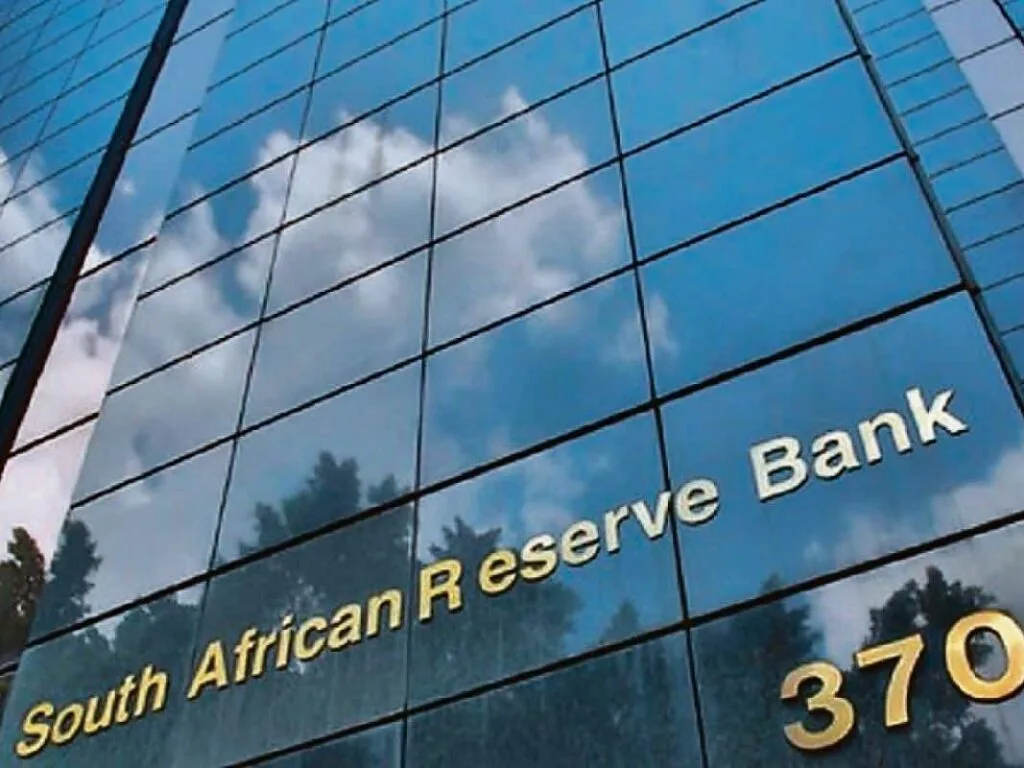
The domestic macro calendar is fairly busy this week. The SARB is hosting its Biennial Conference on Thursday and Friday under the theme ‘post-crisis lessons and policy challenges’. The SARB notes that the aim of this year’s conference is to bring together speakers to reflect on the challenges faced by central banks and other macro policy makers in the wake of the pandemic and amid new challenges to growth. The agenda includes global thought leaders who will be discussing a range of issues including monetary policy in advanced economies, macroeconomic stability in emerging markets, the challenges presented by climate change and how to improve monetary and fiscal policy coordination, amongst other topics.
Ahead of the SARB conference, there will also be a flurry of the usual month-end data releases to contend with. The National Treasury is due to release its main budget data for July on Wednesday at 14:00 local time. The Absa group expect a main budget deficit of R123.7bn (Thomson Reuters consensus: -R123.0bn), slightly smaller than the R129.5bn deficit recorded in July last year. Their forecast is broadly in line with the provisional financing data. A print in line with the group’s forecast would leave the 2023/34 fiscal year-to-date main budget deficit at R171.0bn, compared with the deficit of R118.0bn over the same period in 2022/23. The other part of South Africa’s ‘twin deficit’ will also come into focus when the South African Revenue Service (SARS) publishes the July merchandise trade data on Thursday at 14:00 local time. Owing to the strong seasonal factors in the data, Absa forecast that the merchandise trade balance swung to a small surplus of R2.7bn in July (Thomson Reuters consensus: R0.8bn) from a deficit of R3.5bn in June.
We forecast that headline producer inflation fell further in July. Stats SA is due to release the producer price index (PPI) data for July on Thursday at 11:30. The group forecast that headline producer inflation eased to 2.8% y/y in July (Thomson Reuters consensus: 2.9%) from 4.8% in June mainly due to base effects on fuel and food inflation. The absa group see the July print as likely to be the low point for PPI inflation in this cycle. Producer inflation is likely to edge higher from August as the strong base effects on fuel prices start to fall away.
We believe that higher interest rates continued to dampen the growth of private sector credit extension in July. The SARB is due to release the private sector credit extension (PSCE) at 8:00 on Wednesday. PSCE growth has been trending gradually downwards since February and absa believe that it continued to slow in July amid a higher interest rate environment. It forecast that PSCE growth eased just slightly to 6.2% y/y in July (Thomson Reuters consensus: 6.2%) from 6.3% in June.
The Absa manufacturing PMI and new vehicle sales due to be published this week will provide clues about the strength of economic activity in August. The BER is scheduled to release the Absa manufacturing PMI for August on Friday at 11:00. Since February, the Absa manufacturing PMI has been printing below the 50-point neutral level, but official manufacturing output data have generally been stronger over this period. The Automotive Business Council is also due to publish its new vehicle sales data for August. Domestic vehicle sales showed some resilience by rising 6.7% q/q sa in Q2 despite an increasingly challenging consumer environment. However, sales started Q3 on a weaker footing after falling 3.9% m/m sa in July. We forecast domestic new sales volumes to have partially rebounded in August by 1.5% m/m, with base effects likely to push y/y growth to 10.0% compared with 1.3% in July.