
Premier Panyaza Lesufi R34 billion to empower township initiatives
Gauteng Premier Panyaza Lesufi has announced plans to ensure the province is safer for the resident, saying he has allocated a budget to focus on that. In his State of the Province address, he said the provincial government has committed to using 60% of its R34 billion goods and services budget to support township initiatives.
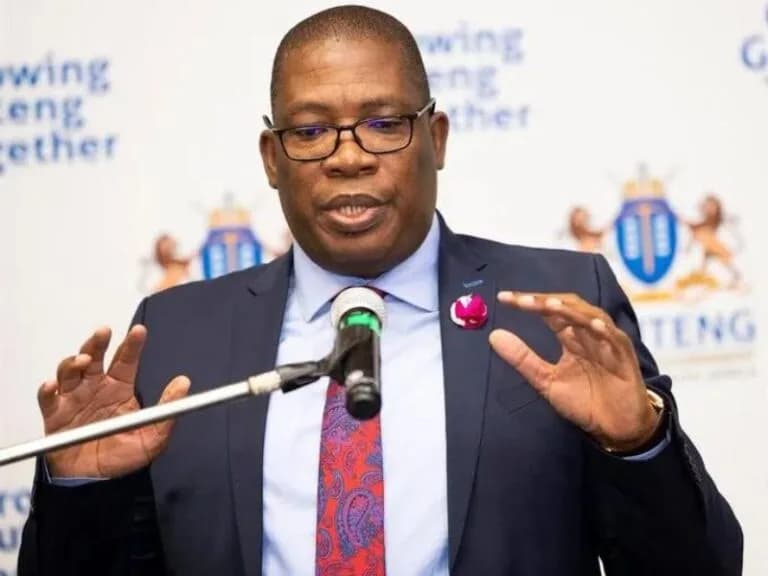
Premier Panyaza Lesufi R34 billion to empower township initiatives
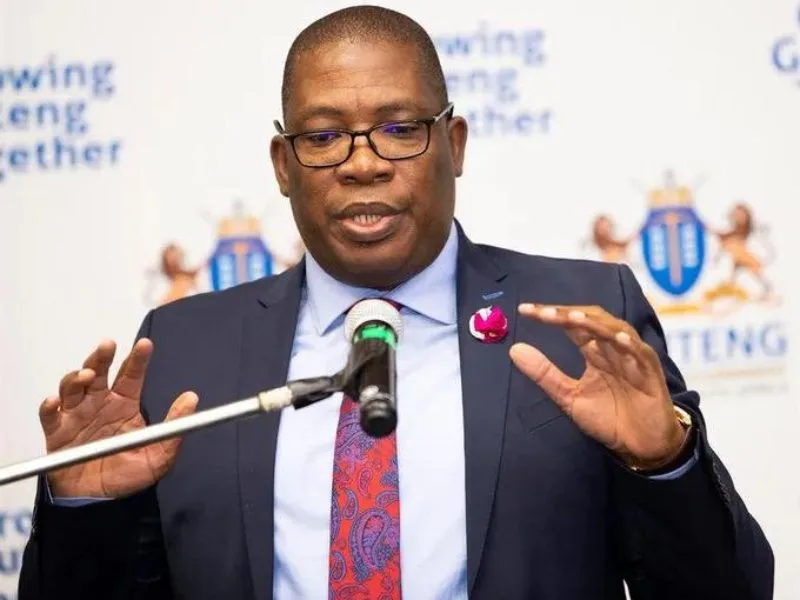
Gauteng Premier Panyaza Lesufi has announced plans to ensure the province is safer for the resident, saying he has allocated a budget to focus on that.
In his State of the Province address, he said the provincial government has committed to using 60% of its R34 billion goods and services budget to support township initiatives.
Lesufi said townships are the province’s “new gold” and with new malls and filling stations being rapidly set up there, the government must ensure these investments benefit the people.
“This house [legislature] unanimously adopted the Township Economic Development Act, a blueprint on how we will support township businesses and fund them. We want this act… to migrate from paper to practice,”
“As the Gauteng Provincial Government, we commit, as we do now, that as of 1 April, we will use 60% of the R34 billion goods and services budget [about R20.4 billion] to support township initiatives. We are establishing a digital database (township business register) of all businesses in townships.”
The Gauteng Premier said a financing model is currently being finalised to allow township businesses to have their own bulk buying mechanism through the establishment of township-based warehouses and distribution centres, like the ones already launched in Katlehong and Mamelodi.
He also added that the province has adopted a prototype for local retail shops, commonly known as spaza shops so that they can differentiate them from shops owned by foreign nationals.
“We are now firmly reclaiming our shops in the townships. The township residential rental market or the “backroom economy” has been part of the township economy since the beginning of time,” Lesufi said.
Lesufi’s government is upscaling the formalisation and upgrading of backroom properties, and empowering “aboMastandi” (landlords) to get into the real estate industry.
He announced that 2 000 applications have been validated for funding for aboMastandi and 40 loans have been approved to the tune of R50 million, which has the potential to create employment.
“We want to ensure the timeous lodging of zoning applications and direct collaboration with municipalities on the delivery of this project of backyard dwellers. With our Gauteng Broadband Network, we will provide reliable internet in the townships and make free WiFi available in strategic areas in our communities,” Lesufi said.
On the taxi industry, he acknowledged the role played by the sector and that together with the taxi industry, the provincial government has put together a taxi fund to the tune of R20 million, as seed capital for the taxi association to raise money in the market.
“Taxi ranks will be our future shopping stations. We will be launching taxi ranks of the future, a one-stop shop, for taxi parts and tyres, banks, restaurants, and many other related businesses, such as filling stations,” he announced.
“A new model of taxi rank of the future will be unveiled. We are excited about this project.”