Odyssey raises $74m to expand the financing of distributed energy projects
Odyssey Energy Solutions has raised $74 million in equity and debt funding as it expands its business helping renewable energy developers secure and manage financing for distributed energy projects.
Odyssey Pic
Odyssey Energy Solutions has raised $74 million in equity and debt funding as it expands its business helping renewable energy developers secure and manage financing for distributed energy projects. The US-based company provides software used by energy developers, investors and lenders to manage projects and the financial information around them.
AI-generated summary. It can miss nuance — read the full story above for the complete picture.
Odyssey Energy Solutions has raised $74 million in equity and debt funding as it expands its business helping renewable energy developers secure and manage financing for distributed energy projects. The US-based company provides software used by energy developers, investors and lenders to manage projects and the financial information around them. Odyssey has worked on renewable energy programmes in Nigeria, where distributed energy projects are being developed to provide electricity to businesses and communities that cannot rely fully on the national grid. The company plans to use the new funding to expand across Africa, Asia and Latin America.
The financing problem behind renewable energy
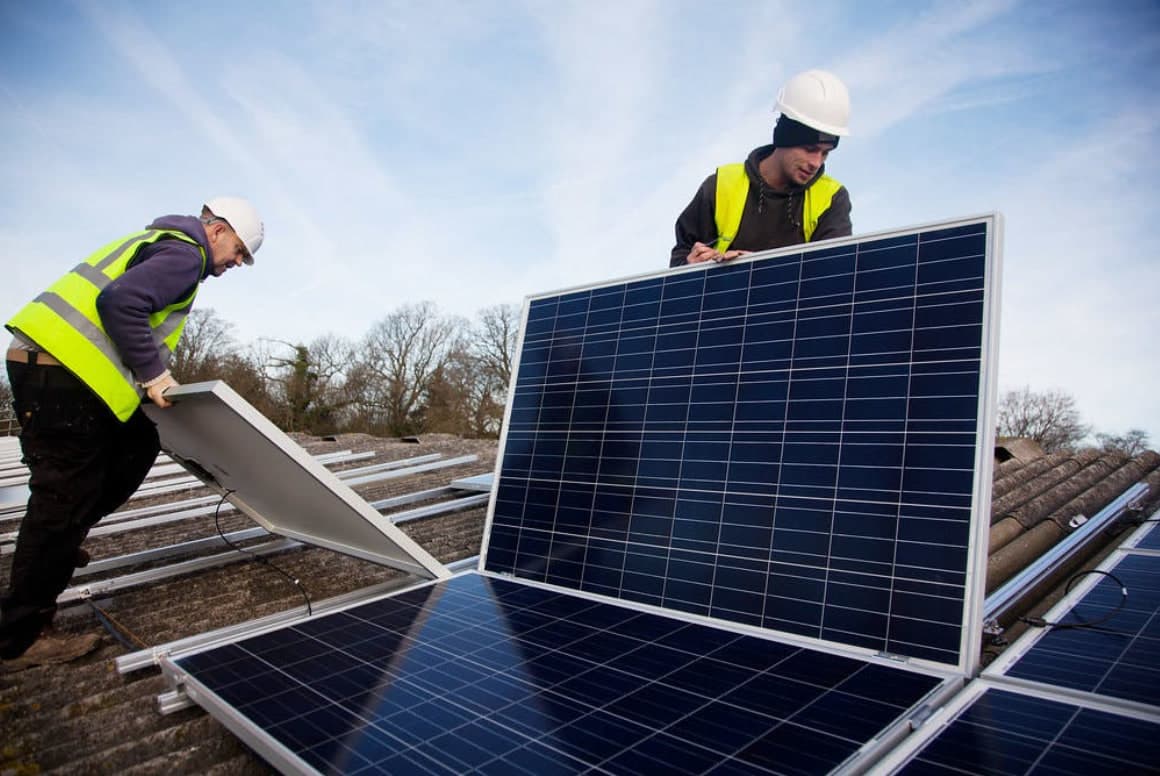
Getting a renewable energy project built requires more than finding a customer. Developers need money for equipment and construction, while investors and lenders need information about the project before committing funds. Odyssey provides software that helps manage this process. Its platform is used to organise project information, assess opportunities and manage different stages of development and financing. The company is not the one installing solar panels at businesses. Instead, it provides tools for the companies building those projects and the investors putting money into them. That distinction is important in markets where there are many smaller renewable energy projects rather than a handful of large power plants.
“For SMEs, the interest is whether renewable energy financing can eventually give them more reliable power and reduce their dependence on generators.”
Why Nigeria matters
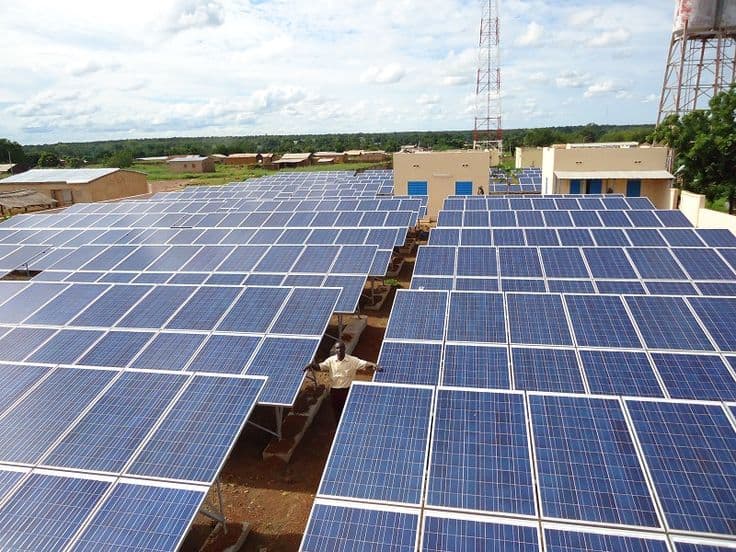
Nigeria has a large market for distributed energy because businesses cannot always depend on the national grid. Generators remain common among SMEs, particularly businesses that need electricity throughout the day. A small restaurant may need to keep refrigerators running. A salon needs power for its equipment. A cold-storage business cannot afford long outages. Small manufacturers can lose production when machines are switched off. For these businesses, generator fuel is an operating cost. The price of fuel, along with servicing and repairs, can make it difficult for business owners to predict how much they will spend on electricity each month. Solar systems and mini-grids can provide another option, but the projects need financing before they can reach those businesses.
More projects could mean more options for SMEs
This is where Odyssey's business connects with the SME market. If renewable energy developers can raise money and manage projects more efficiently, more distributed energy systems could eventually be built. That does not mean Odyssey's funding will immediately reduce electricity costs for Nigerian businesses. There are still several steps between financing a project and an SME actually receiving electricity from it. But a larger pipeline of financed projects could give businesses more choices. An SME could potentially buy a solar system, lease one or purchase electricity from a privately operated energy project instead of relying entirely on its own generator. The financial benefit would depend on the project and the agreement with the business, but reducing the amount of fuel a company has to buy can make a difference to its monthly costs.
The generator problem
Generators are unlikely to disappear from African businesses overnight. They remain useful because they can provide power when the grid fails, and many businesses already own them. The issue is the cost of keeping them running. For businesses operating on thin margins, money spent on diesel or petrol is money that cannot be spent elsewhere. A bakery using several machines, a shop running refrigeration equipment or a workshop operating power tools can quickly build up fuel costs when grid electricity is unreliable. Renewable energy does not remove every cost, but it can change how a business gets its electricity. That could be useful for SMEs that have enough demand to justify a solar installation or that are located in areas served by a mini-grid.
Odyssey's expansion
The $74 million gives Odyssey capital to expand its platform and work with more renewable energy projects. Its expansion into other African markets could put the company in more markets where businesses face similar electricity problems. The opportunity for SMEs will depend on whether that project financing eventually translates into energy systems they can actually access and afford. For Odyssey, the immediate job is to build its network of developers, investors and lenders. For businesses, the longer-term interest is whether that financing results in more reliable power options and less dependence on generators. That is where the company's growth could eventually be felt on the ground.