Nigeria Suspends Gasoline Import Licences as Domestic Refining Ramps Up
Nigeria’s downstream petroleum regulator has suspended gasoline import licences for a second consecutive month, according to local media reports on Wednesday. The move points to a growing reliance on domestic refining capacity. Regulatory records show that no import licences were issued in February. The Council of Petroleum Marketers of Nigeria (CORAN), which represents local refiners,
Nigeria Suspends Gasoline Import Licences as Domestic Refining Ramps Up
Nigeria’s downstream petroleum regulator has suspended gasoline import licences for a second consecutive month, according to local media reports on Wednesday. The move points to a growing reliance on domestic refining capacity.
Regulatory records show that no import licences were issued in February. The Council of Petroleum Marketers of Nigeria (CORAN), which represents local refiners, said approvals have not been granted in March either.
CORAN has long argued that fuel imports undermine the economics of domestic refining. The association welcomed the decision. Spokesman Eche Idoko said policies that favour locally produced fuel could strengthen the sector. At the same time, he warned that maintaining the policy over time will be the real test.
Domestic Supply and Demand
The regulator based its decision on provisions in the 2021 Petroleum Industry Act. The law allows fuel imports only when domestic production cannot meet national demand. Current market data suggests that local supply is now sufficient to cover consumption. Nigeria’s gasoline demand averaged 56.9 million litres per day in February 2026. That figure was down from 60.2 million litres recorded in January.
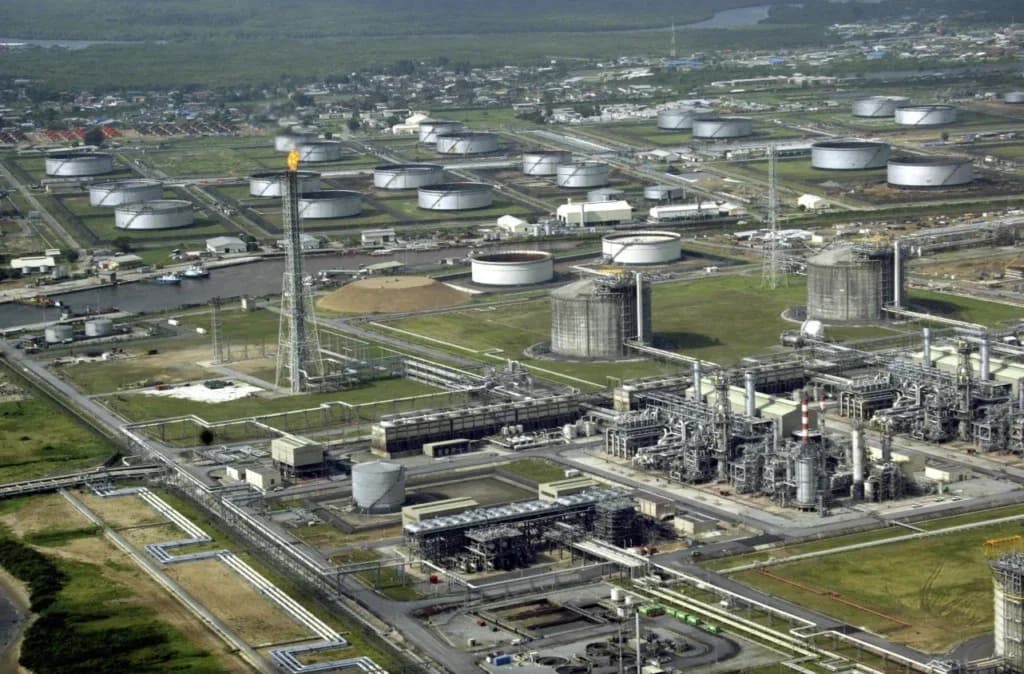
During the same period, Dangote Group’s refinery supplied about 36.5 million litres of gasoline and roughly 8 million litres of diesel to the domestic market. The facility operated at its full processing capacity of 650,000 barrels per day during February. Based on those figures, regulators concluded that domestic production could reduce Nigeria’s reliance on imported fuel.
Changing Fuel Supply Policy
The decision marks a break from the stance taken by the regulator’s previous leadership. Earlier policy supported continued imports to maintain competition and prevent excessive market concentration.
Balancing domestic refining with fuel imports has long been a delicate issue in Nigeria. Although the country is one of Africa’s largest crude oil producers, it has historically depended on imported refined products. The emergence of large-scale refining capacity most notably the Dangote refinery is now beginning to change that dynamic. As domestic output grows, regulators appear increasingly willing to adjust the country’s fuel supply policy.