Nigerian Petrol Prices Soar After Subsidy Removal
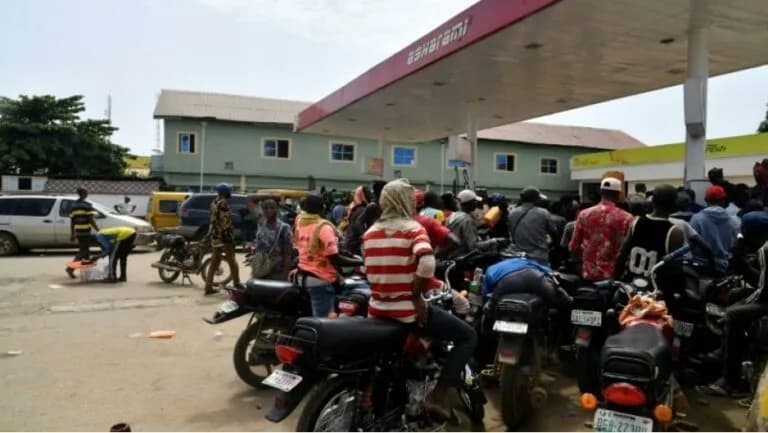
Following the removal of a long-standing fuel subsidy in May, Nigeria, Africa's largest oil producer, is grappling with record-high petrol prices. Nigerian President Bola Tinubu's decision has resulted in a price increase, with petrol now costing 617 naira ($0.78) per litre, the highest price in the country's history. According to a recent circular obtained by
Nigerian Petrol Prices Soar After Subsidy Removal
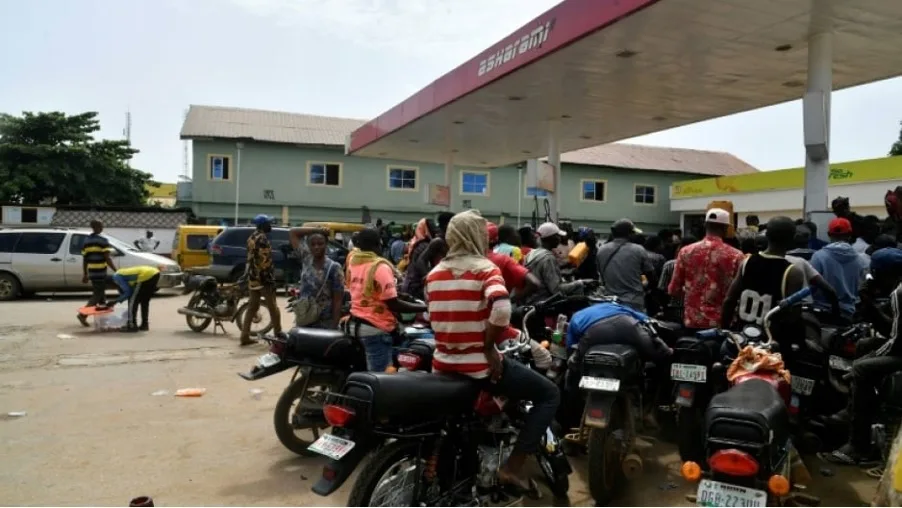
Following the removal of a long-standing fuel subsidy in May, Nigeria, Africa’s largest oil producer, is grappling with record-high petrol prices. Nigerian President Bola Tinubu’s decision has resulted in a price increase, with petrol now costing 617 naira ($0.78) per litre, the highest price in the country’s history.
According to a recent circular obtained by Reuters, fuel stations operated by the state-owned Nigerian National Petroleum Co (NNPC) increased their prices from 557 naira ($0.70) per litre. The NNPC has yet to issue an official statement on the subject.
Tinubu’s decision to eliminate the fuel subsidy is part of a series of bold reforms aimed at reducing Nigeria’s massive debt burden. The subsidy, which was implemented in the 1970s to keep fuel prices low, had grown increasingly burdensome, costing the government $10 billion last year.
The elimination of the fuel subsidy sparked widespread debate and discussion. Former President Goodluck Jonathan’s attempt to eliminate the subsidy in 2012 sparked widespread opposition. Fuel prices soared from 65 naira ($0.14) to 140 naira ($0.30) per litre, sparking widespread Occupy Nigeria protests. Jonathan was forced to reverse his decision due to public outrage.
Following the recent removal of subsidies, the Nigerian government has granted licences for 56 private firms to import petrol, with 10 of them expected to begin deliveries in the third quarter. This represents a significant shift from the Nigerian National Petroleum Company’s previous role as the sole petrol importer, which was based on crude swap contracts.
According to Farouk Ahmed, the head of the Nigerian Midstream and Downstream Petroleum Regulatory Authority (NMDPRA), three of the ten licenced firms have already received their cargo, and others have expressed interest in importing petrol in August and September.
Despite its oil production, Nigeria is heavily reliant on fuel imports due to insufficient refining capacity and the neglect of existing refineries. Because of this reliance, the country is vulnerable to price fluctuations in the global oil market.
According to NMDPRA data, daily petrol consumption fell to 48.43 million litres (13 million gallons) in June, compared to a pre-subsidy removal average of 66.9 million litres per day from January to May. These figures show the effect of the subsidy removal on petrol consumption.
As Nigeria grapples with rising petrol prices, the government will need to strike a balance between the financial burden of subsidies and the ability of the public to afford essential fuel. The ongoing oil sector reforms are part of a larger effort to address Nigeria’s economic challenges and create a more sustainable future for the country.