Nigeria wants to assemble satellite equipment for its next satellites
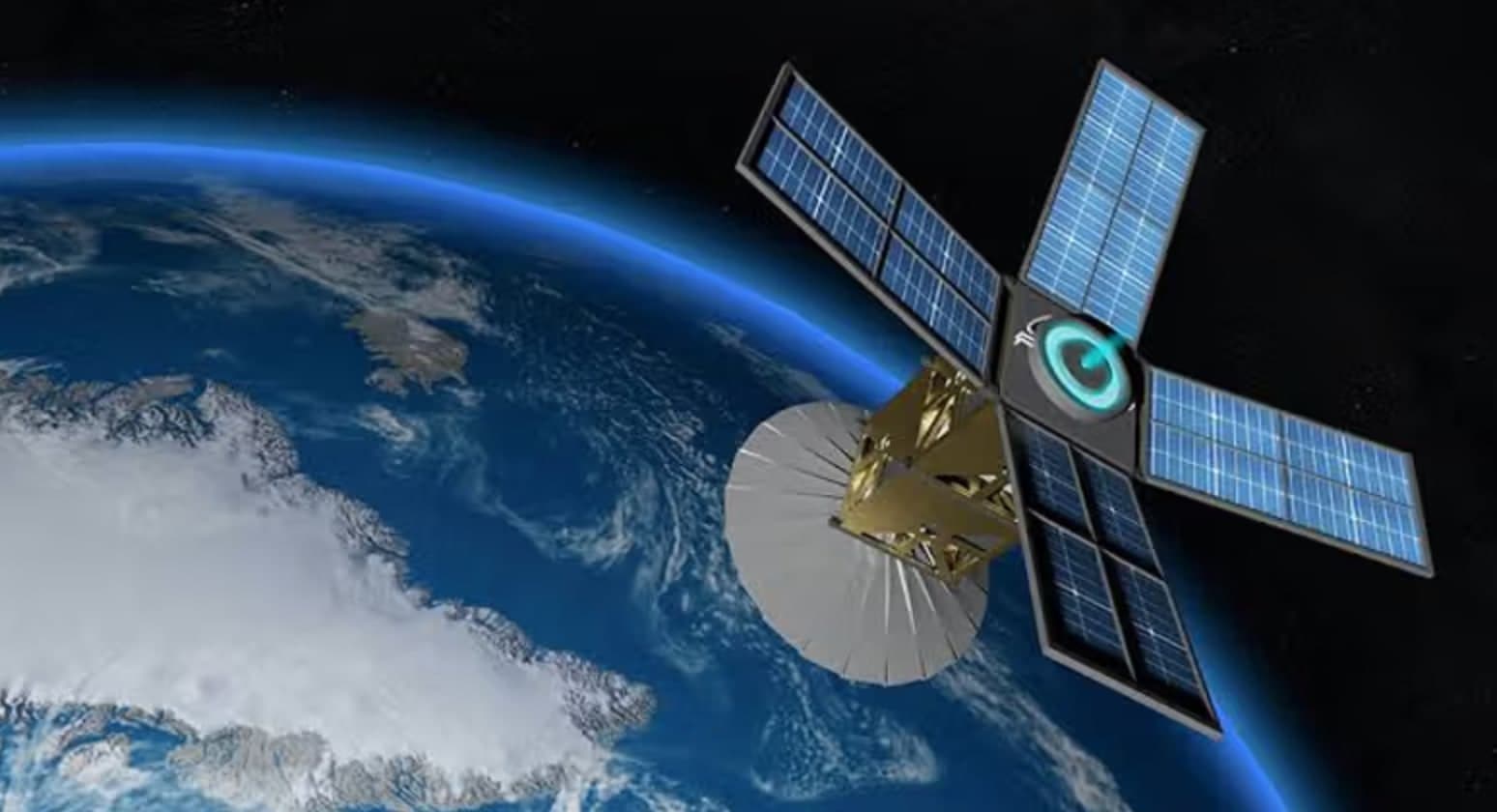
Nigeria is preparing to assemble some of the equipment that will be used with its next two communications satellites.
Nigeria's Satellite
Nigeria is preparing to assemble some of the equipment that will be used with its next two communications satellites.
Nigerian Communications Satellite Limited (NIGCOMSAT) has picked US company Hughes Network Systems to supply the ground system for NIGCOMSAT-2A and NIGCOMSAT-2B. The satellites are expected to launch in 2028 and 2029.
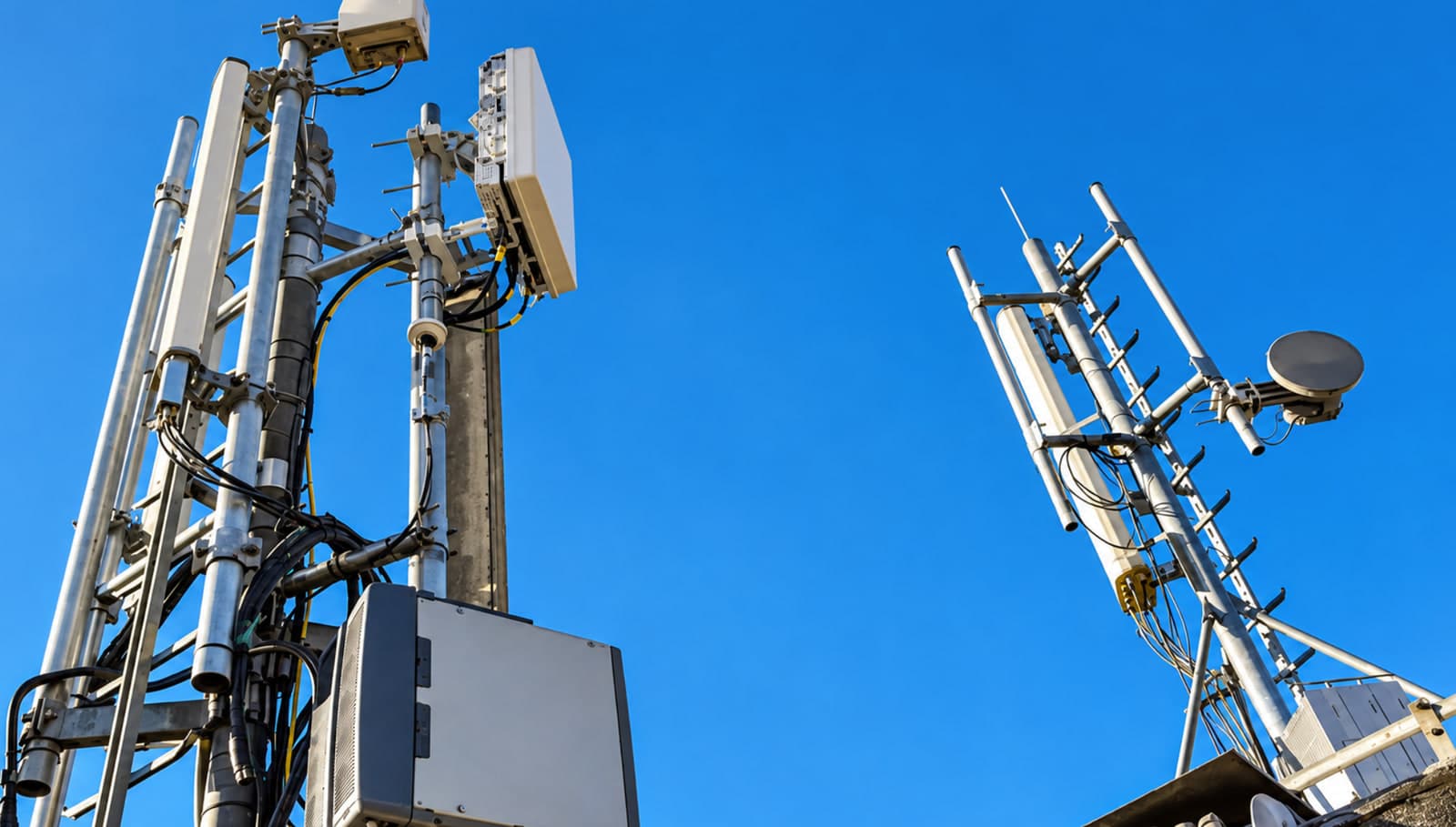
The agreement is not about building the satellites in Nigeria. Hughes will supply its JUPITER ground system and help NIGCOMSAT set up a facility where satellite terminals can be assembled locally. These terminals are used to communicate with satellites from the ground. They include antennas and other equipment that transmit and receive signals.
AI-generated summary. It can miss nuance — read the full story above for the complete picture.
Nigeria is preparing to assemble some of the equipment that will be used with its next two communications satellites. Nigerian Communications Satellite Limited (NIGCOMSAT) has picked US company Hughes Network Systems to supply the ground system for NIGCOMSAT-2A and NIGCOMSAT-2B. The satellites are expected to launch in 2028 and 2029. The agreement is not about building the satellites in Nigeria. Hughes will supply its JUPITER ground system and help NIGCOMSAT set up a facility where satellite terminals can be assembled locally. These terminals are used to communicate with satellites from the ground. They include antennas and other equipment that transmit and receive signals.
What Hughes is bringing
Hughes will work on the ground segment of the programme. The JUPITER system will support Ka-, Ku- and C-band services. NIGCOMSAT expects to use the new capacity for broadband, enterprise and government connectivity in Nigeria and the wider region. The satellites themselves are being built by Thales Alenia Space and Israel Aerospace Industries (IAI). NIGCOMSAT wants the ground equipment ready before the satellites arrive. That work is expected to start in 2026.
“The interesting part of the Hughes deal is not the satellite. It is what Nigeria plans to build around it.”
Local assembly is the interesting part
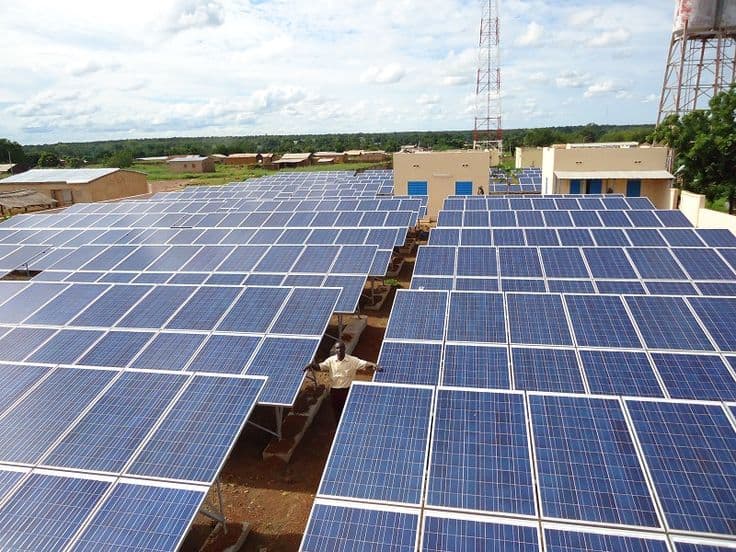
The satellite deal itself is not new. Nigeria announced plans for NIGCOMSAT-2A and 2B earlier this year. The Hughes agreement adds something different: a plan to assemble some of the equipment in Nigeria. That could mean work for local technicians and engineers, as well as companies involved in installation, maintenance, testing and logistics. But the phrase “local manufacturing” needs some context. The agreement announced so far is for the assembly of satellite terminals. It does not mean Nigeria will be producing the antennas, electronics and other components from raw materials. How much of the equipment will arrive from overseas and how much work will be done locally has not been fully disclosed. That will make a difference to the project's impact on local businesses.
Nigeria already has ground stations
Nigeria has been operating satellite infrastructure for years. NigComSat-1 was launched in 2007 but suffered a solar-array failure in 2008 and was later de-orbited. Nigeria launched NigComSat-1R in 2011. The country also built and upgraded ground facilities to support its satellite operations, including infrastructure in Abuja, Lagos, Kaduna and Gombe.
The problem has not simply been having the equipment. Satellite operators also need customers. NIGCOMSAT has had to compete with fibre networks and other connectivity options. It has explored services such as teleport and VSAT operations as it looks for more ways to use its infrastructure. The same issue will apply to the new satellites.
The facility could have a life after the satellites
If the Nigerian assembly facility is used only for NIGCOMSAT-2A and 2B, its impact will be fairly limited. The more interesting possibility is what happens after those projects are finished. Nigeria could use the skills developed through the programme to install and maintain terminals for other satellite operators.
There could also be opportunities to supply equipment or services to other African markets. That is still a possibility rather than an established business. For now, NIGCOMSAT has two satellites to prepare for and a ground system to put in place. The first question is whether the local facility can be ready on time. The next is whether Nigeria can keep the operation busy once the two satellites are in orbit.