Kenya Extends Fuel Tax Relief as Global Oil Market Pressures Persist
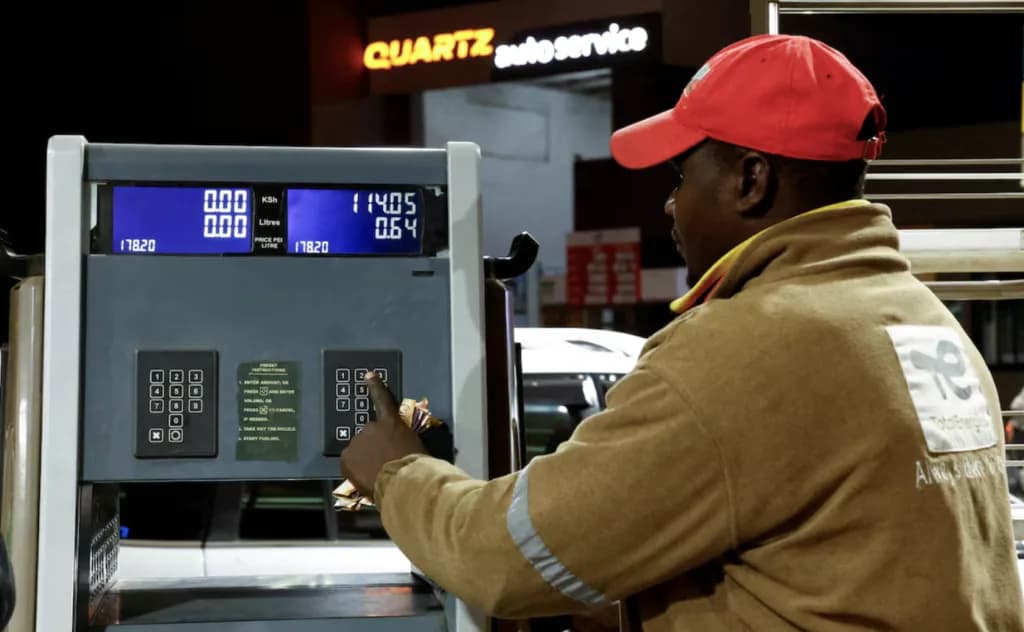
Kenya has extended its reduced value-added tax (VAT) on petroleum products for another three months. The move is intended to shield consumers from continued volatility in global oil markets. Energy and Petroleum Minister Opiyo Wandayi announced that the VAT rate on fuel will remain at 8% until October 14, 2026. The extension keeps in place
Kenya Extends Fuel Tax Relief as Global Oil Market Pressures Persist
Kenya has extended its reduced value-added tax (VAT) on petroleum products for another three months. The move is intended to shield consumers from continued volatility in global oil markets. Energy and Petroleum Minister Opiyo Wandayi announced that the VAT rate on fuel will remain at 8% until October 14, 2026. The extension keeps in place a temporary measure first introduced in April.
“We have extended the application of the 8% VAT on petroleum products for another three months, until October 14, 2026,” Wandayi said.
The government will also allocate 945 million Kenyan shillings (US$7.3 million) from the Petroleum Development Fund. The money will support fuel price stability during the July-August pricing period.
The tax reduction was introduced after global oil prices surged earlier this year. The increase followed heightened tensions in the Middle East and disruptions to shipping through the Strait of Hormuz. Although market conditions have eased, the government said uncertainty remains too high to withdraw the support.
Wandayi said Kenya’s fuel supply remained stable throughout the period. “Kenya’s fuel supplies remained stable throughout the crisis. Every scheduled cargo arrived and was unloaded on time,” he said.
Government Procurement Model Helps Stabilise Prices
Kenya imports almost all of its petroleum products from the Middle East under government-to-government supply agreements. Unlike countries that buy fuel at prevailing international market prices, Kenya purchases fuel under pre-agreed transport costs and supply premiums. This reduces the country’s exposure to short-term price fluctuations.
According to Wandayi, the procurement model has helped maintain relatively stable pump prices despite volatility in global energy markets.
Regional Impact
Kenya’s fuel pricing decisions also affect neighbouring countries. Rwanda, for example, relies on fuel transported through Kenya’s ports and road network. Any significant increase in Kenyan fuel prices could raise transport and import costs across the region.
While the tax relief provides short-term price stability, Wandayi warned that future fuel price reviews by the Energy and Petroleum Regulatory Authority (EPRA) could still be affected if international oil prices continue to rise.