Human trials for Elon Musk's brain implant startup Neuralink, denied by the US regulator
According to Reuters, the US Food and Drug Administration (FDA) has denied Elon Musk's business Neuralink's proposal to undertake human trials using its medical implants in 2022. The rejection was revealed to the journal by seven current and former workers of the firm, which hopes to treat ailments such as paralysis and blindness using brain
Human trials for Elon Musk's brain implant startup Neuralink, denied by the US regulator
According to Reuters, the US Food and Drug Administration (FDA) has denied Elon Musk’s business Neuralink’s proposal to undertake human trials using its medical implants in 2022.
The rejection was revealed to the journal by seven current and former workers of the firm, which hopes to treat ailments such as paralysis and blindness using brain implants.
The FDA listed “dozens” of flaws that Neuralink needed to fix before beginning human trials.
Its main concerns were the use of lithium batteries in Neuralink implants, the possibility of wire connecting to other sections of the brain, and if the device could be withdrawn without injuring brain tissue.
On multiple times since 2019, Musk has stated that Neuralink might “soon” begin human testing.
For several years, the business has been testing Neuralink implants on monkeys.
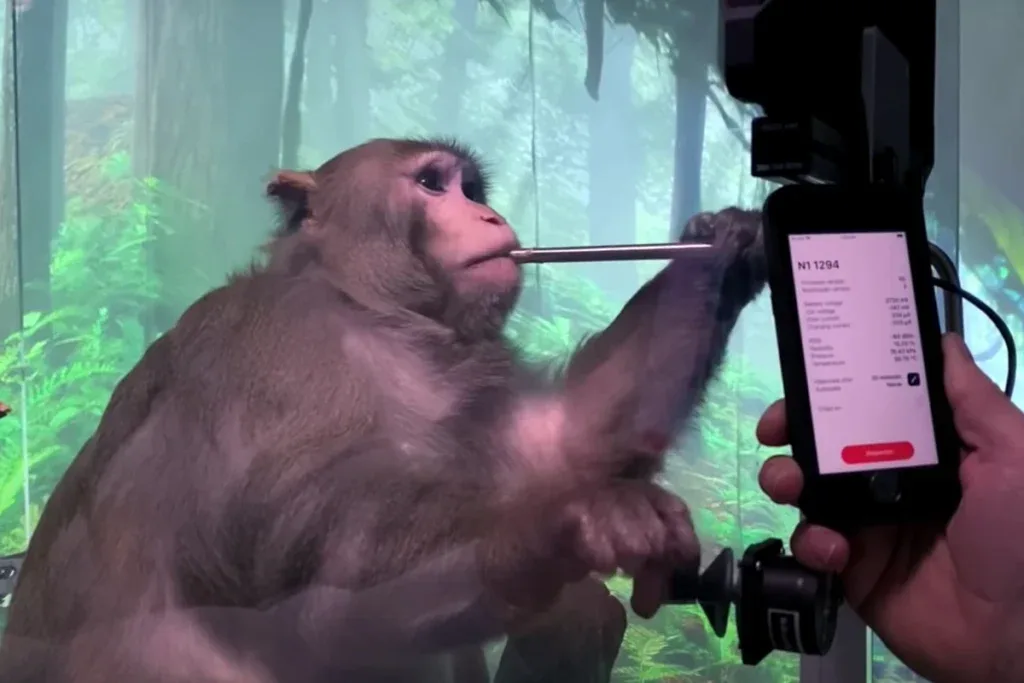
It demonstrated how one of its research participants might play Pong with its brain in April 2021.
The footage shows a nine-year-old macaque called Pager with a Neuralink chip inserted in his brain.
— prayingforexits ????☠️ (@mrexits) February 25, 2023
Pager was first taught to play Pong with a a joystick.
After learning the patterns, the joystick was disconnected and the monkey's brainwaves were connected to the game. pic.twitter.com/YM0n8EjISk
Although Neuralink never recognised the FDA’s denial, because it is not publicly traded, it is not compelled to do so.
Musk has stated that Neuralink will receive FDA human-trial approval before the end of the year (South African autumn).
Nevertheless, three employees who talked to Reuters questioned that timing.
Many FDA device approval specialists informed the magazine that the FDA’s denial also indicated serious safety concerns about Neuralink.
In the last three years, over two-thirds of all human-trial applications filed to the FDA were approved following the first pass.
Nevertheless, it was unclear how many of these experiments, if any, used advanced medical technology that interacted with the most complicated human organ.
Many authorised human studies were most likely for more traditional product testing, such as new oral medications or skin cosmetics.