
How an honest Prasa employee refused corrupt money and helped uncover fraud
The Passenger Rail Agency of South Africa (Prasa) reported a "flood of fictitious personal liability claims" in its most recent annual report for 2021/22, and says an investigation into these complaints is underway. A Prasa investigation report into fraudulent claims worth at least R9 million, processed by Prasa's insurance department, was obtained by GroundUp. This
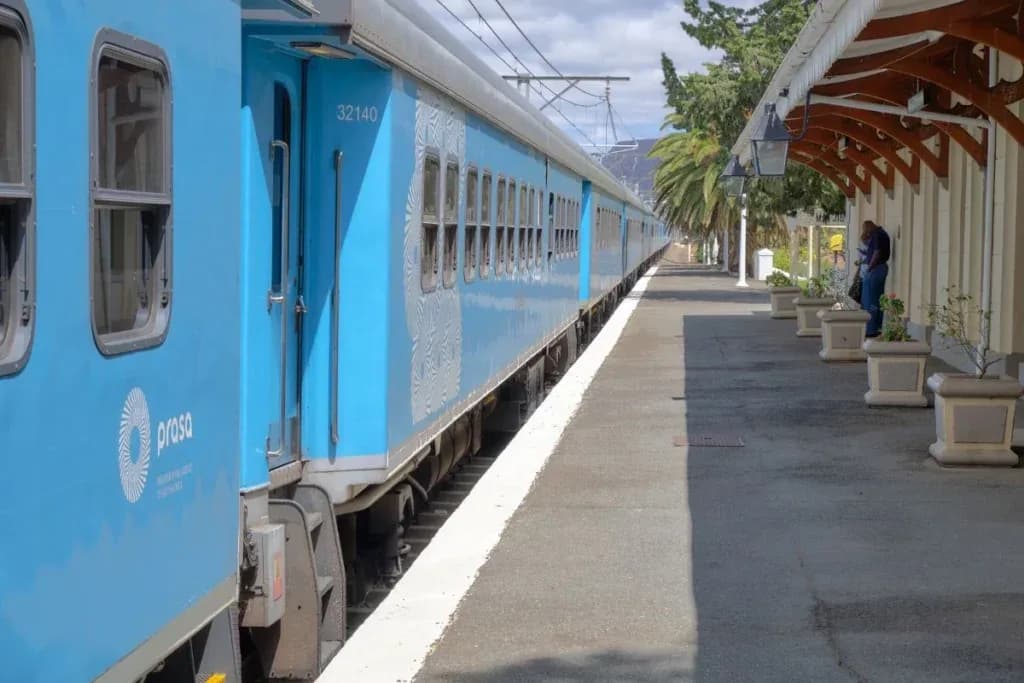
How an honest Prasa employee refused corrupt money and helped uncover fraud
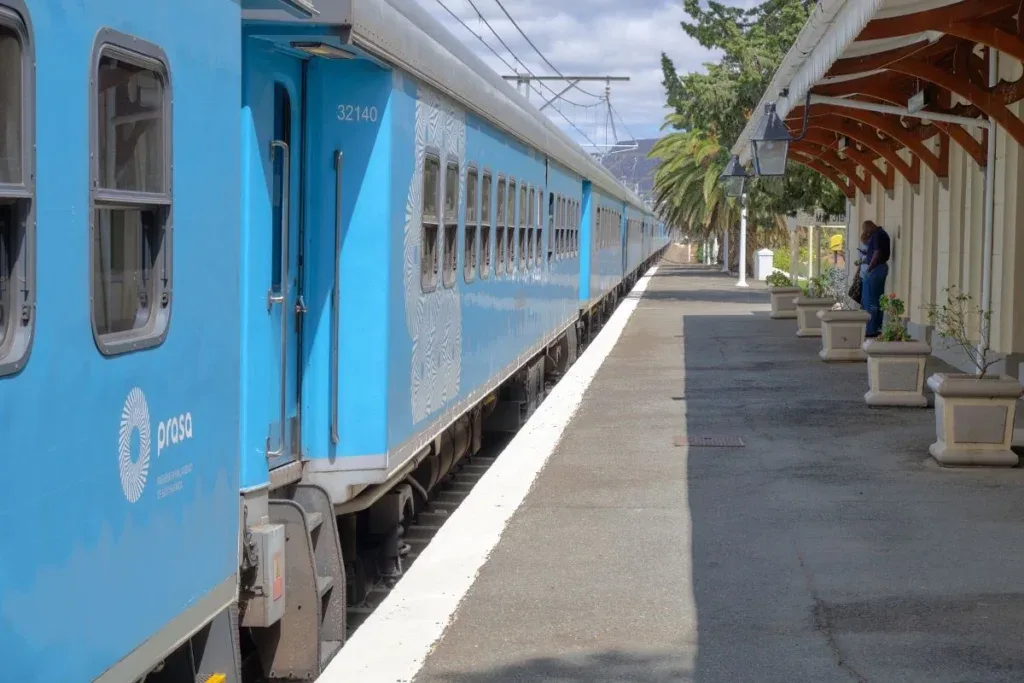
The Passenger Rail Agency of South Africa (Prasa) reported a “flood of fictitious personal liability claims” in its most recent annual report for 2021/22, and says an investigation into these complaints is underway.
A Prasa investigation report into fraudulent claims worth at least R9 million, processed by Prasa’s insurance department, was obtained by GroundUp. This September last year report to Prasa executives, the Hawks, and the Auditor-General revealed a fraud ring operating out of the commuter rail agency’s insurance office.
An honest person exposes the scam
Prasa deposited R67,000 into Zethembiso Dladla’s bank account on May 28. This was significantly more than the R1,500 she had received in her previous salary payment.
Dladla, from Durban, worked for Prasa’s Peoples’ Responsibility to Protect (PR2P) programme, which was launched in March 2021 by Transport Minister Fikile Mbalula and Prasa chairperson Leonard Ramatlakane.
PR2P enlisted the help of local residents — “volunteers” — to guard rail infrastructure near their homes. According to the PR2P implementation plan approved by Ramatlakane on January 4, 2021, they would receive training and a “stipend” of R3,000 per month in exchange.
Dladla informed her line manager, Thandeka Mnyandu, of the R67,000 deposit, claiming it was an error.
The following day, Dladla received a phone call from Sidudzo Mayaba, who informed her that Prasa had given her this money by mistake and invited her to accompany him to Gateway Mall. Dladla stated in her affidavit dated June 8, 2021, that she had known Mayaba for two years through her boyfriend and knew he worked for Prasa in some capacity.
They transferred R55,000 to an account labelled “Monde” there. She was told she could spend the remaining R5,000, so she transferred R2,000 to her boyfriend.
Dladla was disturbed by what had occurred and approached a Durban Prasa security detail with her story. Soon after, investigators discovered a multi-million rand scam operating out of Prasa’s insurance division.
The payment was made by Prasa’s Insurance department as compensation for an injury Dladla allegedly sustained at Isipingo train station in January 2019.
Dladla, on the other hand, had never been hurt. She claimed to the investigators that she had never taken the train.
The claim reference number attached to the payout, which appeared to come from the KwaZulu-Natal claims system, did not exist in that province’s system, according to the investigators.
Dladla’s medical records, the claims form, and the APS (application payment schedule), which must be signed by the official requesting the payment and approved by another official, were also missing.
Despite the lack of required documents, three members of the finance department signed off on the claim.
An eight-year swindle
Sidudzo Mayaba, the man who had called Dladla, taken her to the bank, and instructed her on what to do with the money, was the former brother-in-law of Sihle Mayaba, who handled claims in Prasa’s insurance division.
While investigating Sihle Mayaba, the investigators were approached by a whistleblower.
The whistleblower revealed that they had worked as a runner for Sihle Mayaba. They gathered ID numbers and bank statements from the unemployed and handed them over to her “for processing.”
These individuals would profit from Mayaba’s fictitious claims. They, like Dladla, would then transfer the majority of the funds to another account. This is usually the account of Zodwa Khanyeza, a relative of Sihle Mayaba. They would occasionally withdraw money and give it to Mayaba.
The whistleblower informed the investigators that the scheme had been in operation since 2014.
There is a deep rot in the insurance department
The investigators then examined the claims filed in Gauteng and KwaZulu-Natal during the first half of 2021.
In Gauteng, they discovered that Sihle Mayaba had submitted APSes for seven claims totaling R495,000 in a single month that did not exist in the Gauteng claims management system. Mayaba’s boss, Tilly Nkosi, a senior manager in the insurance division, had approved these claims.
More irregular payments were discovered by the investigators. They discovered 39 claims with fraudulent reference numbers totaling more than R3 million. The system sequentially adds claim numbers starting with “00001” and working its way up. The investigators discovered that these claims were far in excess of the current total.
They also discovered 44 claims worth more than R5 million that had three instead of five digits.
According to the investigators, these claims were processed using fraudulently generated claim numbers.
A finance department employee also processed one claim three times for a total of R131,000.
In KwaZulu-Natal, 15 irregular payments totaling R952,000 were discovered. The provincial claims management system did not record twelve of these payments. There was a duplicate payment, and two claims did not correspond to the accidents or medical records.
In total, the investigators discovered fraudulently processed claims worth over R9 million in the first half of 2021.
Administrative blunder
Prasa’s insurance claims system was vulnerable. The investigators discovered that the department’s rules could be easily circumvented — a claim could be processed without the required documents, and even then, those documents could be easily modified or forged.
People who were supposed to review documents before authorising payments did not do so. Claims were not cross-checked with medical records. Payments were authorised despite the absence of all required signatories. The controls that should have deterred fraudsters were missing. The supervisory failures of Nkosi and Tokolle Mahlake, the general manager of the insurance division, are singled out by the investigators.
The investigators recommend disciplinary action against Sihle Mayaba and Sidudzo Mayaba, as well as Nkosi and Mahlake as insurance division managers, and Thabiso Phori, a finance manager, for processing duplicate claims and signing off on Dladla’s fraudulent claim.
They also directed Prasa to file a criminal complaint, launch a full investigation into insurance fraud, and recover the stolen funds.
One person’s honesty in the lowest-paid role at Prasa could have saved the beleaguered rail agency millions of rands.
Requests for feedback
GroundUp approached Prasa’s spokesperson Andiswa Makanda with a number of questions, as well as a request to forward our inquiries to the individuals involved in the fraud, specifically Sihle Mayaba, Sduduzo Mayaba, Tilly Nkosi, Thabiso Phori, and Tokolle Mahlake.
While our questions and requests were taken into consideration, and we were given a day’s extension, we had yet to receive a response at the time of publication.
We inquired whether disciplinary action had been taken against these officials, if so, what the sanctions were, and whether any of these individuals were still employed at Prasa.
We inquired whether a criminal case had been filed and, if so, what the status of the investigation was.
We inquired whether a full internal investigation into the fraud had been completed, and what the total value of the fraud discovered by the investigation was. We also inquired whether Prasa had addressed the flaws in their administrative system that allowed the fraud to occur.