Global energy could plunge 6% this year – except for renewables
Energy demand could plunge 6% this year, the largest in 70 years in percentage terms and the largest ever in absolute terms, according to a Thursday report from the International Energy Agency. The coronavirus pandemic is the biggest shock the energy sector has seen since the second world war, and it could have a devastating
Global energy could plunge 6% this year – except for renewables
Energy demand could plunge 6% this year, the largest in 70 years in percentage terms and the largest ever in absolute terms, according to a Thursday report from the International Energy Agency.
The coronavirus pandemic is the biggest shock the energy sector has seen since the second world war, and it could have a devastating impact on demand, according to the International Energy Agency.
Energy demand could plunge 6% this year, the largest in 70 years in percentage terms and the largest ever in absolute terms, according to a Thursday report from the agency. The IEA’s forecast would be more than seven times larger than the impact of the 2008 financial crisis on global energy demand.
In absolute terms, the decline is equivalent to losing the entire energy demand of India, the world’s third-largest energy consumer.
“This is a historic shock to the entire energy world. Amid today’s unparalleled health and economic crises, the plunge in demand for nearly all major fuels is staggering, especially for coal, oil and gas. Only renewables are holding up during the previously unheard-of slump in electricity use,” said Fatih Birol, the IEA executive director.
“It is still too early to determine the longer-term impacts, but the energy industry that emerges from this crisis will be significantly different from the one that came before,” he said.
A historic hit to demand
The IEA’s forecast is based on the assumption that the economic recovery from lockdowns to curb the spread of the disease will be slow, even as some countries begin to reopen parts of the economy. A swifter recovery could limit the decline in energy demand to 3.8%, while a possible second wave of Covid-19 or a slower rebound could mean a fall of more than 6%.
It’s expected that almost every part of the energy sector will be hit by the pandemic, according to the report. In the first quarter of 2020, energy demand fell 3.8% on the year, erasing all growth from 2019.
Electricity demand is set to fall 5% in 2020, the largest slump since the Great Depression in the 1930s. Coal is expected to decline 8% this year, the most since World War ll. Even natural gas demand is slated to fall 5% in 2020 after a decade of uninterrupted growth.
Renewables will still see growth
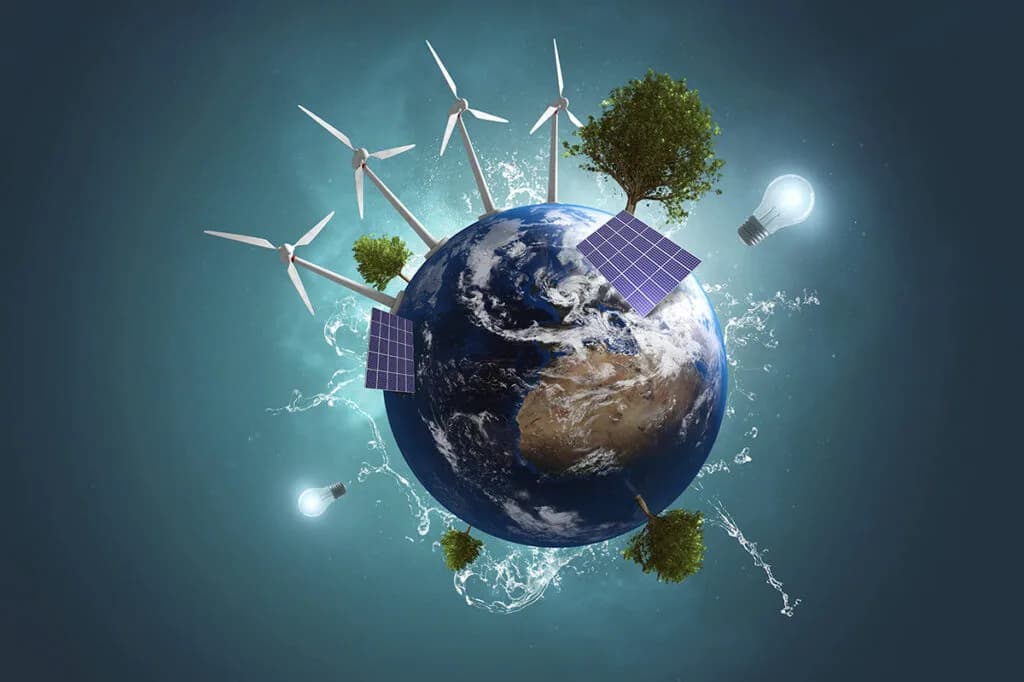
The only energy source that is expected to grow in 2020 is renewables, according to the report.
“Demand reductions have lifted the share of renewables in the electricity supply, as their output is largely unaffected by demand,” the report said. It’s the part of the energy sector that is most resilient to the Covid-19 crisis, according to the report.
At the same time, carbon emissions are set to have a record annual decline of almost 8%, according to the IEA.
“Resulting from premature deaths and economic trauma around the world, the historic decline in global emissions is absolutely nothing to cheer,” Birol said. “And if the aftermath of the 2008 financial crisis is anything to go by, we are likely to soon see a sharp rebound in emissions as economic conditions improve.”
He continued: “But governments can learn from that experience by putting clean energy technologies – renewables, efficiency, batteries, hydrogen and carbon capture – at the heart of their plans for economic recovery. Investing in those areas can create jobs, make economies more competitive and steer the world towards a more resilient and cleaner energy future.”
Main Image: physicsworld