
Egyptian fintech SETTLE raises $2m to help businesses manage their payments
Egyptian fintech SETTLE has raised $2 million in pre-seed funding to help businesses manage payments, receivables and treasury operations from a single platform. The round was led by Shorooq Partners, with El Sewedy Capital Holding, Acasia Ventures and Plus VC also participating.
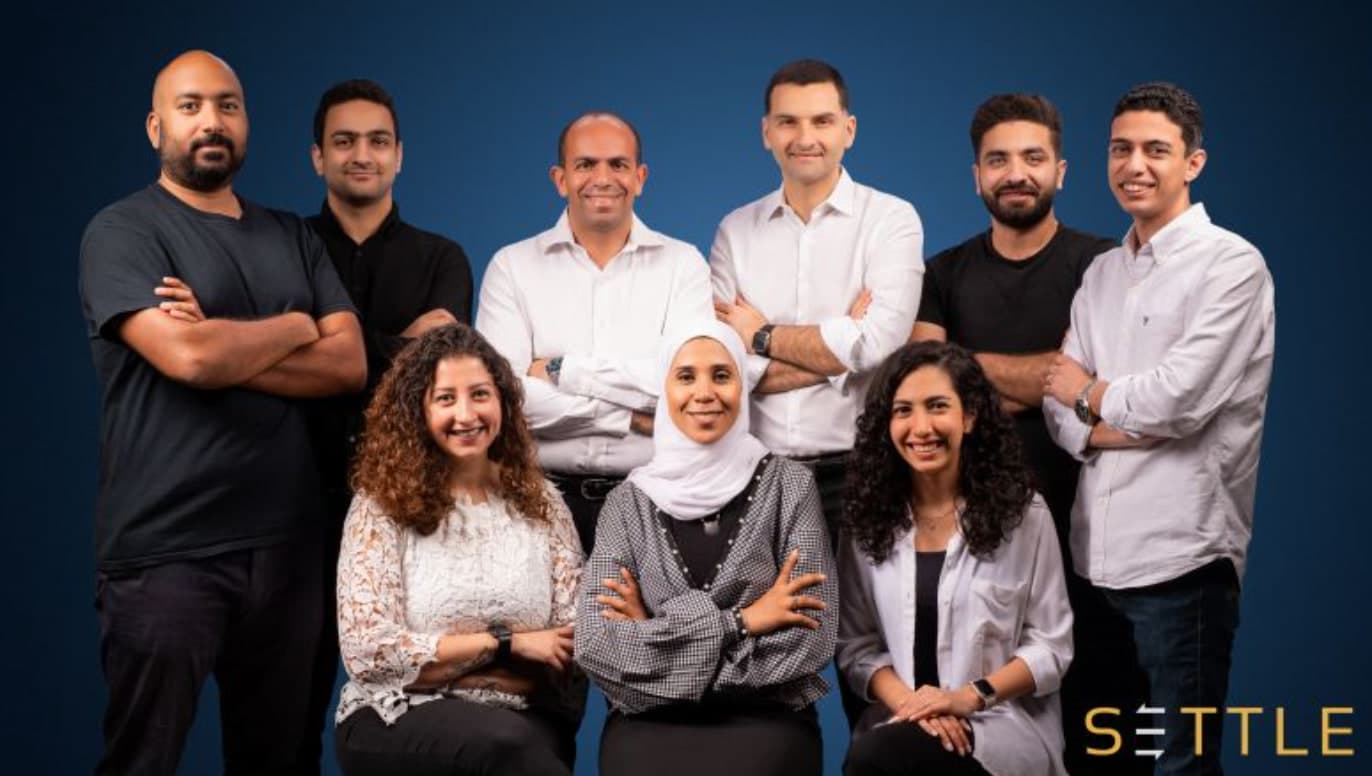
Settle Pic
Egyptian fintech SETTLE has raised $2 million in pre-seed funding to help businesses manage payments, receivables and treasury operations from a single platform. The round was led by Shorooq Partners, with El Sewedy Capital Holding, Acasia Ventures and Plus VC also participating. SETTLE connects business bank accounts with enterprise resource planning (ERP) systems such as Oracle and SAP. This allows companies to manage payments and incoming funds while keeping their financial records updated.
The company says it has already processed more than E£50 million ($1 million) in transactions, despite still being at the pre-launch stage.
AI-generated summary. It can miss nuance — read the full story above for the complete picture.
Egyptian fintech SETTLE has raised $2 million in pre-seed funding to help businesses manage payments, receivables and treasury operations from a single platform. The round was led by Shorooq Partners, with El Sewedy Capital Holding, Acasia Ventures and Plus VC also participating. SETTLE connects business bank accounts with enterprise resource planning (ERP) systems such as Oracle and SAP. This allows companies to manage payments and incoming funds while keeping their financial records updated. The company says it has already processed more than E£50 million ($1 million) in transactions, despite still being at the pre-launch stage.
The finance work businesses don't see
Making a supplier payment is only one part of the process. Once the payment has gone through, someone still needs to match it to the right invoice, update the company's records and check that the transaction is reflected correctly in the bank and accounting systems. The same thing happens when customers pay. For businesses handling a small number of transactions, doing this manually may not be much of an issue. But as the number of payments grows, finance teams can end up spending a lot of time checking bank statements, invoices and accounting records. SETTLE is built around this part of the process. Its platform connects the banking side of a business with the financial systems it already uses. Companies can use it to make payments, manage receivables and handle treasury activities without having to move between different systems for each task.
“SETTLE is trying to cut down the manual work that happens around every business payment.”
Why this matters for smaller businesses
Large companies can afford finance teams to handle payments, reconciliation and treasury. Smaller businesses usually have fewer people doing more jobs. An accountant at an SME could be responsible for supplier payments, invoices, collections, bank reconciliations and other financial work. When the business starts handling more transactions, that workload increases even if the finance team stays the same size. This is where automation can make a difference. Instead of having someone check every transaction and then update another system, the software can handle some of those steps automatically. For businesses, the benefit is less about having another payment option and more about cutting down the work that happens around each payment.
Africa has a similar problem
SETTLE is starting in Egypt, but the issue it is addressing is familiar to businesses in other African markets. Companies often use several systems to run their finances. There is the bank, accounting software, payment platforms and, in some cases, spreadsheets used to fill the gaps between them. Those systems don't always connect. That becomes more difficult when a company starts dealing with suppliers or customers in other countries. Finance teams then have to keep track of different currencies, accounts and transactions while making sure everything ends up correctly in the company's books. This is one reason business-focused fintech companies are looking beyond simply helping people send and receive money. There is also a market for the software that helps businesses keep track of what happens to that money afterwards.
SETTLE's next move
The new funding will be used to continue developing SETTLE's platform and expand the business. Its reported E£50 million in processed transactions gives the company some early traction, but it is still a young business operating in a market with established banking and accounting software providers. The challenge now is getting more businesses to connect their financial systems to SETTLE and making the product useful enough that finance teams keep relying on it. For SMEs, the attraction is straightforward: if the software can remove some of the manual work involved in paying suppliers, collecting money and reconciling transactions, it can give a small finance team more time to deal with the rest of the business.
That is the problem SETTLE is trying to solve with its new funding.