E-hailing Drivers Stage National Strike Over Commission Rates and Safety Concerns
Several drivers on e-hailing platforms such as Bolt and Uber went on strike on Monday, expressing dissatisfaction with their pay structures and raising concerns about their safety. While customer service was still largely available on the platforms' apps, Bolt acknowledged that the protest action had resulted in longer wait times for rides across South Africa's
E-hailing-Drivers-Stage-National-Strike-Over-Commission-Rates-and-Safety-Concerns
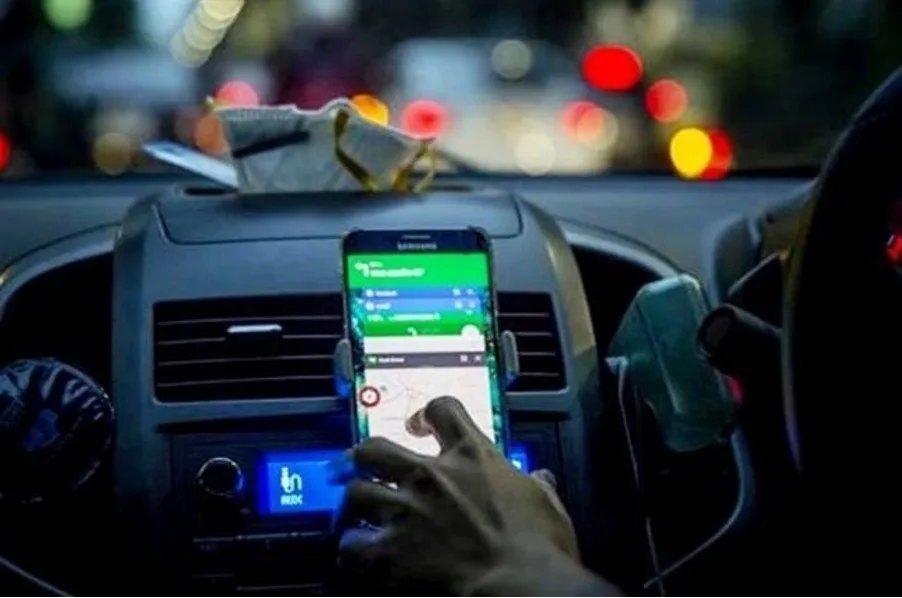
Several drivers on e-hailing platforms such as Bolt and Uber went on strike on Monday, expressing dissatisfaction with their pay structures and raising concerns about their safety.
While customer service was still largely available on the platforms’ apps, Bolt acknowledged that the protest action had resulted in longer wait times for rides across South Africa’s cities.
The strikes appeared to be organised independently by different provinces’ driver associations, with no centralised command structure.
The primary concerns expressed by the drivers revolved around the low pricing of rides, which they claim makes it difficult for them to make a living. They were also dissatisfied with the 25% service fee typically charged by e-hailing platforms.
As a result, drivers claimed they were struggling to keep up with rising fuel prices and the high costs of vehicle maintenance, such as oil changes and tyre replacements.
A protest poster in KwaZulu-Natal stated that drivers wanted a standardised fee of R50 for all trips between 0 and 5 kilometres, rather than the current variable rates. They also demanded that the 25% commission charged by e-hailing platforms be reduced to 15%.
Furthermore, drivers requested the implementation of cancellation fees for both cash and card trips, as well as stricter verification measures for client safety, such as the use of ID numbers during app registration.
Danny Mamabolo, an Uber driver, expressed the difficulty drivers face in making a living, claiming that after paying the 25% commission, they were essentially left with nothing. He cited rising fuel, tyre and oil prices as major contributors to their financial difficulties.
One Uber user in Johannesburg expressed her dissatisfaction with the strike’s delays and cancellations. She described how she struggled to find a ride due to a lack of knowledge about the ongoing strike and the app’s navigation issues.
Drivers taking part in the strike were also concerned about their personal safety. They claimed that e-hailing platforms deducted a sizable portion of their earnings while failing to adequately address their security concerns.
Due to the lack of a centralised approach to the strike, its impact varied across different regions, with the KwaZulu-Natal province successfully shutting down e-hailing services.
The National E-Hailing Association said it was consulting with drivers and stakeholders about the strike and planned to issue a statement later this week. The association acknowledged the seriousness of the industry’s safety concerns.
The strike was met with responses from both Bolt and Uber. Bolt emphasised its commitment to monitoring the protest, supporting its driver community, and working with authorities to address safety concerns. The company emphasised its ongoing efforts to improve driver safety through in-app features and collaborations with emergency response services.
Uber acknowledged the planned protest and stated its willingness to interact with drivers in order to better understand their concerns. The company emphasised its ongoing efforts to increase driver earnings, modify fare policies, and implement new technologies. Uber also emphasised its dedication to rider and driver safety, citing various safety features and partnerships with law enforcement agencies.
As the strike continued, the impact on the business operations of e-hailing platforms remained uncertain, with passengers reporting longer estimated arrival times in some cities.
Overall, the strike brought to light drivers’ concerns about low pay, high commissions, and safety concerns, while e-hailing platforms responded by acknowledging the issues and outlining steps they have taken or plan to take to address them.