Deep-Sea Mining Delayed: UN Watchdog Pushes Industry Regulation to 2024
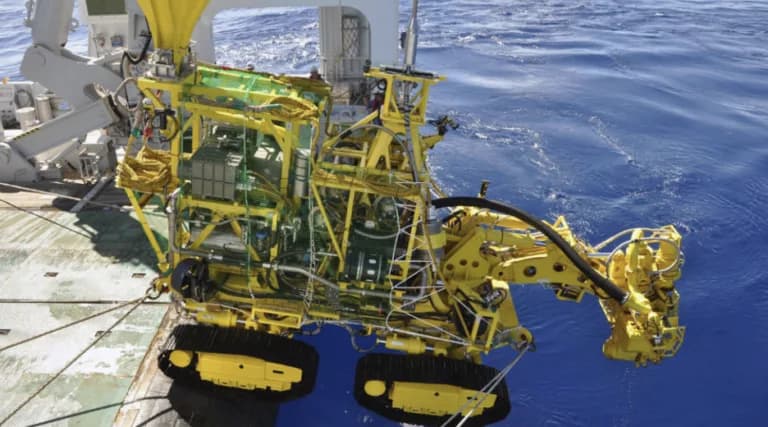
The International Seabed Authority (ISA), a UN-backed regulator, has decided to postpone the start of deep-sea mining for metals needed for the energy transition until at least 2024. The decision was made following a meeting in Kingston, Jamaica, where the ISA Council decided against granting immediate permission for mining activities to begin. Nonetheless, they left
Deep-Sea Mining Delayed: UN Watchdog Pushes Industry Regulation to 2024
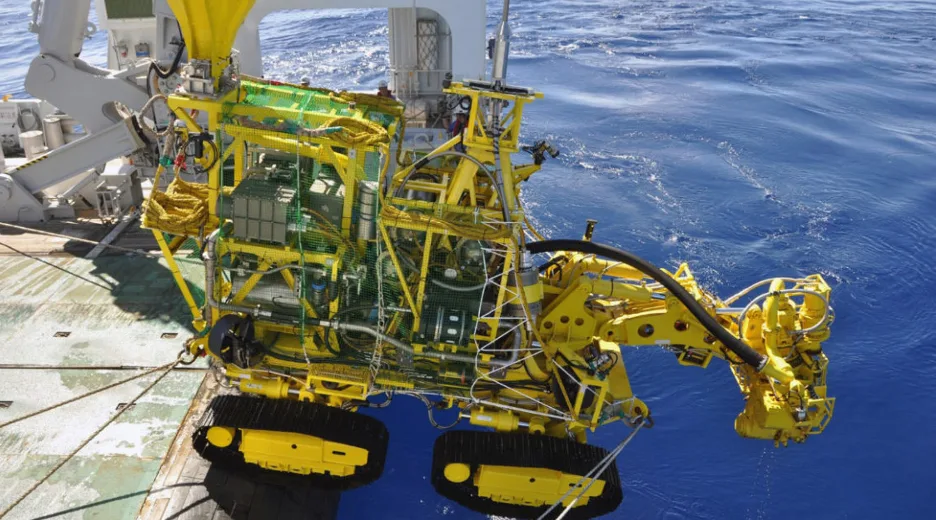
The International Seabed Authority (ISA), a UN-backed regulator, has decided to postpone the start of deep-sea mining for metals needed for the energy transition until at least 2024. The decision was made following a meeting in Kingston, Jamaica, where the ISA Council decided against granting immediate permission for mining activities to begin. Nonetheless, they left a legal loophole open, which could allow mining to begin the following year.
Deep-sea mining opponents claim that insufficient research has been conducted to fully understand the industry’s impact on marine wildlife. They are also concerned that the cost of environmental remediation as a result of mining operations will far outweigh any benefits gained from obtaining these valuable metals.
Proponents, such as Canada’s The Metals Company, argue that mining the seafloor can help support the global energy transition in a more environmentally friendly way than land-based mining.
Jessica Battle, an ocean expert with the World Wildlife Fund, stressed that there is currently no green light for deep seabed mining to proceed. She stated that most states are hesitant to grant licences in the absence of finalised regulations, thorough scientific research, and robust measures for marine environmental protection.
The debate is centred on a legal provision known as the “two-year rule.” According to this rule, regardless of whether comprehensive regulations have been established or not, the ISA Council must “consider and provisionally approve” mining applications within two years of their submission.
Nauru, The Metals Company’s sponsoring state, will activate the “two-year rule” legal mechanism in July 2021. Despite the fact that the deadline has passed, the ISA announced that it has received no mining applications to date.
If the ISA Council receives an application for a “plan of work” before finalising mining regulations, they will prioritise addressing the two-year rule at their next meeting.
Gerard Barron, Chairman and CEO of The Metals Company, expressed disappointment with the ISA’s failure to complete the regulations on time. Nonetheless, he is hopeful that mining operations will begin soon. Barron stated that the company is nearing completion and anticipates the consolidated regulatory text at the next meeting in November 2023.
Meanwhile, the ISA Assembly is meeting this week, and opponents of deep-sea mining are expected to push for a vote among the 168 members to impose a moratorium on such activities. This action is in response to growing concerns about the potential environmental consequences of seafloor mining.
Finally, the UN-backed International Seabed Authority has decided to postpone deep-sea mining until at least 2024 due to a lack of agreement on industry regulation. While supporters believe deep-sea mining could help with the energy transition while having a lower environmental impact, detractors argue that more research is needed to fully assess its ecological effects. The “two-year rule” is at the centre of the debate, and despite expectations, no mining applications have been submitted to date. The upcoming meetings of the ISA will be crucial in shaping the future of deep-sea mining and its potential impact on marine ecosystems.