Condia brings Africa’s cross-border payment problems to Lagos
Cross border payments remain one of the less obvious problems for African businesses trying to expand. A company can have customers in Nigeria, suppliers in Kenya and a team in South Africa, but moving money between those markets is not always straightforward. There are different currencies, banking systems, foreign exchange costs and licensing rules to
Condia brings Africa’s cross-border payment problems to Lagos
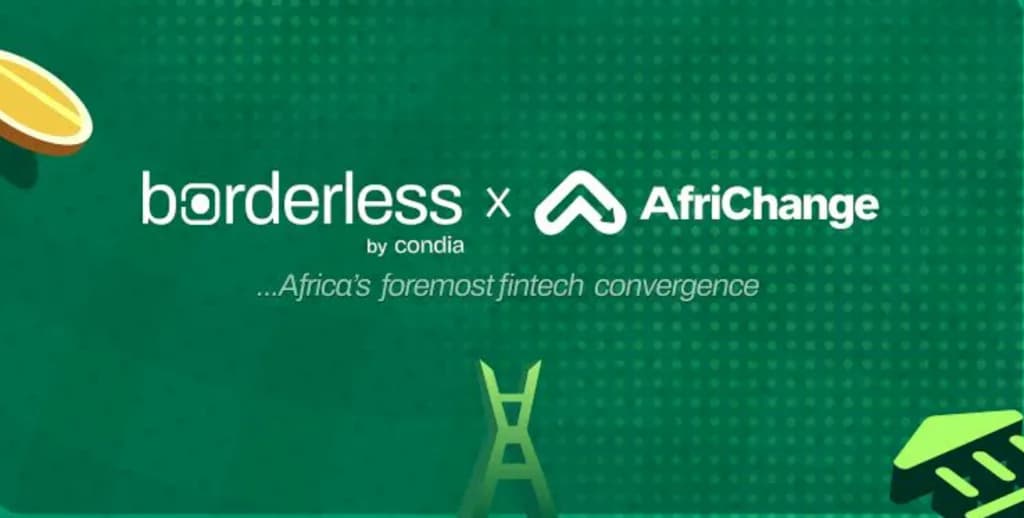
Cross border payments remain one of the less obvious problems for African businesses trying to expand. A company can have customers in Nigeria, suppliers in Kenya and a team in South Africa, but moving money between those markets is not always straightforward. There are different currencies, banking systems, foreign exchange costs and licensing rules to deal with. For some businesses, finding the right banking or payment partner can be just as difficult. Condia wants to put these issues on the table with The Borderless Experience, a new event taking place in Lagos on 21 August 2026. The event will be held at Landmark Event Centre and will bring together fintech founders, payment companies, banks, regulators, investors, travel operators and logistics businesses.
It starts with the problems businesses face
Benjamin Dada, founder of Condia, said the idea for the event came from conversations with people who were trying to build businesses but could not find answers to some basic operational questions. Where do you find a banking partner? What licences do you need? Who should you hire? These are the questions that can slow down a company’s expansion, even when the business itself has demand in another market. Dada said Condia wants to create room for those conversations rather than another event focused mainly on the big ideas around fintech.
Payments are only part of it
Getting money from one country to another is not simply about pressing a button on a payment app. Businesses have to think about how they collect money, where it settles, how currencies are converted and how suppliers and employees are paid. The banking relationships behind those transactions matter too. The Borderless Experience will cover payment infrastructure, settlement, liquidity, foreign exchange and banking partnerships, along with the regulatory issues that come with operating in different African markets.
Stablecoins will be part of the discussion
Stablecoins have also become part of the conversation around cross-border payments. For some businesses, dollar backed digital assets offer another way to move value between countries. But using them does not remove the practical issues around regulation, liquidity, banking access and converting funds into local currencies. Those questions are expected to feature alongside discussions about payment infrastructure and market expansion. Cross border payment problems are not limited to fintech companies. A travel business taking payments from customers in another country has to deal with currency and settlement. A logistics company moving goods between markets needs to pay suppliers and receive money. An online retailer selling across borders needs a payment method that customers can actually use. If those systems do not work well, businesses end up carrying the extra cost. That is why Condia is bringing people from travel, commerce and logistics into the conversation.
From covering fintech to bringing people together
Condia has spent almost eight years covering and engaging with Africa’s fintech industry through journalism, community building and industry events. The Borderless Experience is an extension of that work, but the focus is on the people dealing with cross border business on the ground. The event will look at payments, banking, stablecoins, regulation, travel payments and expansion into new markets.For companies already trading across African borders, these are not future problems. They are issues they are dealing with now.