Cape Town's Central Line rises from the ashes
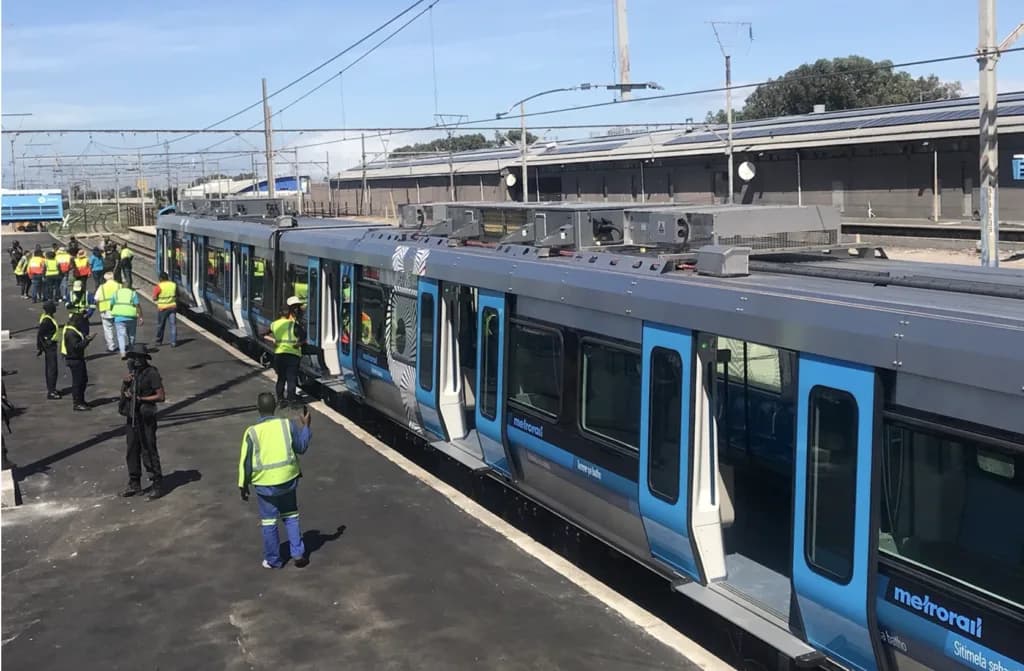
The Passenger Rail Agency of South Africa (PRASA) has launched the first phase of the reconstruction of Cape Town's Central Line. The Nyanga to Langa stretch, costing R422 million, is now operational, with services between Langa and Bellville also running. The reconstruction project is aimed at improving passenger transport services while supporting the local economy.
Cape Town's Central Line rises from the ashes
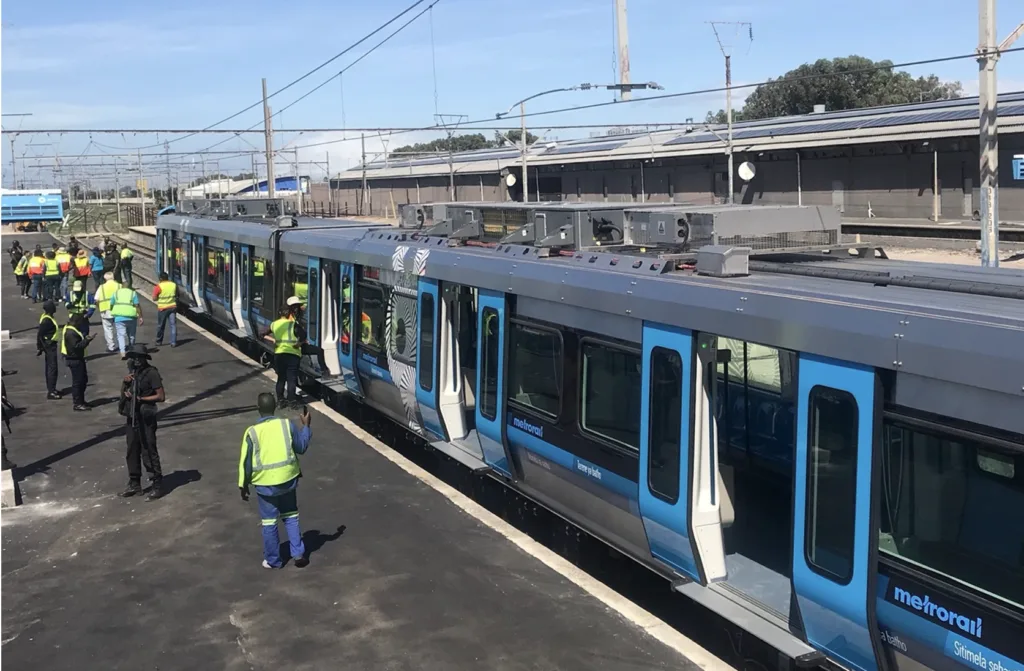
The Passenger Rail Agency of South Africa (PRASA) has launched the first phase of the reconstruction of Cape Town’s Central Line. The Nyanga to Langa stretch, costing R422 million, is now operational, with services between Langa and Bellville also running. The reconstruction project is aimed at improving passenger transport services while supporting the local economy. The second phase will see the reconstruction of Nyanga, Chris Hani, Khayelitsha and Kapteinsklip stations.
PRASA has been in a state of decline for years due to vandalism, cable theft, arson, and allegations of corruption and state capture. In 2019, PRASA cancelled its security contract, and in November of the same year, it stopped services altogether. The COVID-19 pandemic also had a significant impact on the service, resulting in the looting and destruction of anything with resale value.
The destruction of PRASA services also impacted the taxi industry, with fights over new customers as commuters switched from trains to taxis. During the pandemic, around 5,500 people built shacks on railway tracks, notably in Langa and Philippi. These people will not move until they are given alternative accommodation, which has led to some sections of the track being unusable.
PRASA’s strategy is to get lines and stations that serve industrial and factory areas up and running first so that workers can save on transport costs, and the economy can get moving. The restoration team has started from scratch, putting in new substations and new tracks in some places. The train is currently limited to 30km/h as the tracks have to settle.
The launch of the Nyanga to Langa stretch was attended by the who’s who in the public transport sector, including newly appointed Transport Minister Sindisiwe Chikunga and PRASA chairperson Leonard Ramatlakane. Commuters were pleased with the new service, with one saying, “I am saving, so I don’t even mind standing.”
However, the reconstruction project has not been without its challenges. Armed attackers robbed and halted construction for five months at Netreg station, and two PRASA colleagues were shot and disabled in the process. While some sections of the track have undergone a big clean-up, graveyards of torched trains are still visible in some areas, and homeless shelters are neatly lined up along the external fence in others.
PRASA has negotiated with the shack occupants to move their shacks back slightly so trains can still use part of the track while government agencies search for 40 hectares of well-situated land in Cape Town to resettle them. The company’s leadership is hoping that the reconstruction project will help restore the confidence of commuters in the service and provide better transport options for people in the area.
In conclusion, the reconstruction of the Central Line is a significant step towards improving public transport in Cape Town. The launch of the Nyanga to Langa stretch marks the completion of phase one, with phase two set to include further station reconstructions. While the restoration team has had to start from scratch, there are hopes that the project will help restore the confidence of commuters in the service and provide better transport options for people in the area.