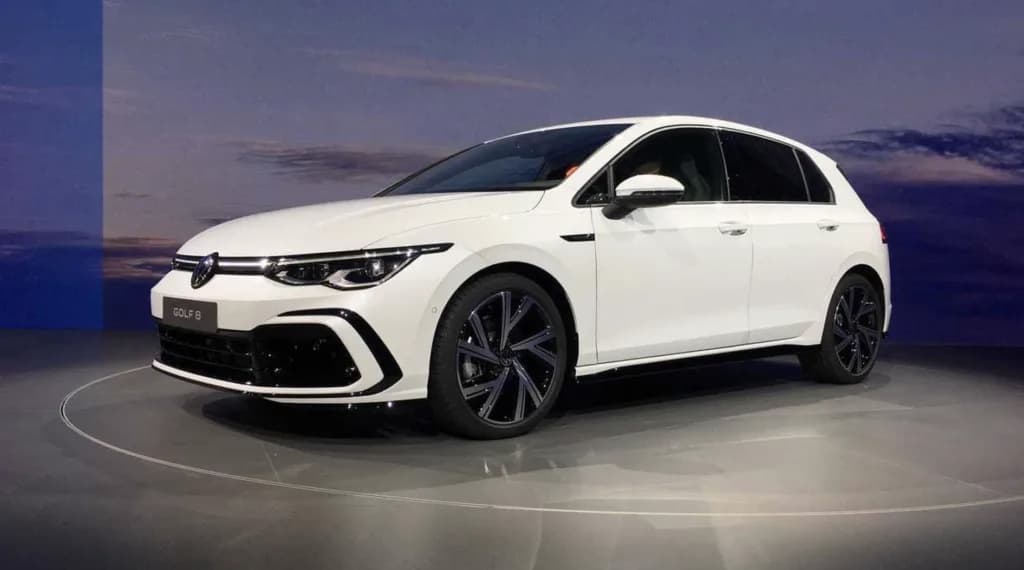
Volkswagen to shift EVs as 8th-gen Golf to last of its kind
The eighth-generation VW Golf may be the last of its kind as the German automaker shifts its investments towards electric vehicles (EV) and away from internal-combustion engines (ICE). In addition, buyers are gravitating towards practical body shapes like crossovers and SUVs instead of conventional hatchbacks. VW's strategy in South Africa reflects this trend as the
Volkswagen to shift EVs as 8th-gen Golf to last of its kind
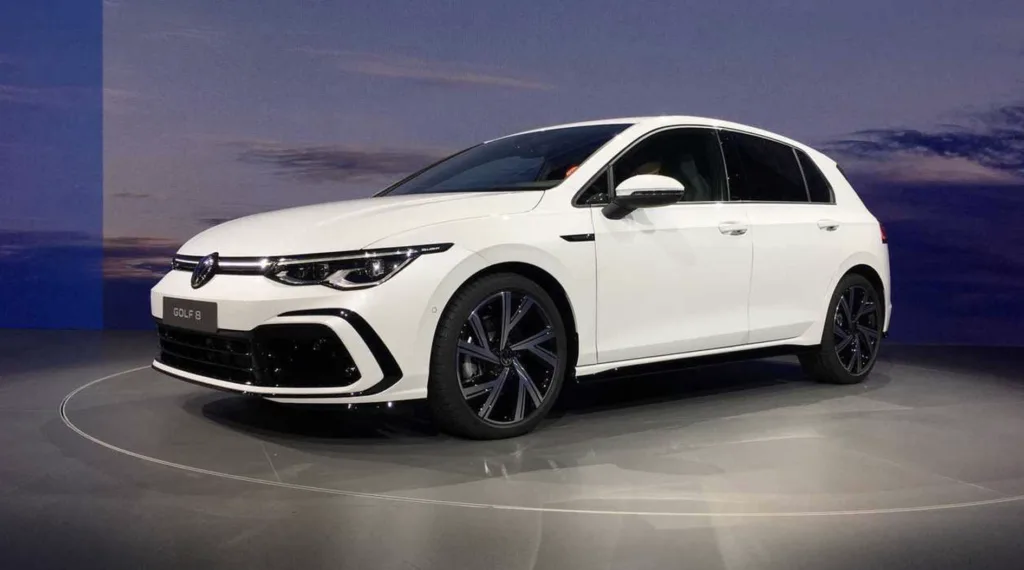
The eighth-generation VW Golf may be the last of its kind as the German automaker shifts its investments towards electric vehicles (EV) and away from internal-combustion engines (ICE). In addition, buyers are gravitating towards practical body shapes like crossovers and SUVs instead of conventional hatchbacks.
VW’s strategy in South Africa reflects this trend as the company only launched two variants of the new Golf 8 in the country: the sporty GTI and high-performance R. The company stated that its “strategy in South Africa focuses on the performance attributes of the Golf.” At the same time, VW’s domestic subsidiary in South Africa has been strengthening its position in the SUV category, launching a new model in this body style, the Taigo, bringing the brand’s SUV offerings to a total of six.
The prioritization of the larger vehicle type became even more evident when VW launched the first-ever Tiguan R in South Africa six months before introducing the new Golf R, despite the hatchback being a well-liked nameplate for multiple generations. Moreover, the automaker initially planned to launch the ID.3 electric hatchback, the spiritual counterpart of the petrol Golf, in the country, but later stated that it “will no longer be bringing the ID.3, but the ID.4” – which is a battery-powered SUV.
While South Africa is not representative of vehicle availability worldwide, the limited selection of Golf models nonetheless signals a shift in the market. Although the ninth generation of the hatch is unlikely to become a reality, the good news is that the legendary VW is due for a major mid-life facelift in 2024 and will still be available for the remainder of the decade.
VW’s move towards EVs is part of a larger trend in the automotive industry as more automakers shift their focus to sustainable, eco-friendly technology. The company plans to bring down the cost of EVs to make them more accessible to consumers, as well as invest in infrastructure to support widespread adoption of the technology.
The shift towards SUVs and crossovers also reflects changing consumer preferences as buyers seek practicality and versatility in their vehicles. These larger vehicles offer more space and better ride height, making them more comfortable for longer journeys and more capable in off-road conditions.
Despite the shift away from the traditional hatchback, the Golf remains a legendary nameplate with a loyal following. The mid-life facelift in 2024 is expected to bring significant updates and improvements to the current model, ensuring that it remains competitive in an ever-changing market.
In conclusion, the limited selection of Golf models in South Africa signals a change in the market as consumers increasingly gravitate towards SUVs and crossovers. However, the Golf will still be available for the remainder of the decade, with a major facelift planned for 2024. VW’s shift towards EVs and sustainable technology is part of a larger trend in the industry, reflecting changing consumer preferences and a growing focus on eco-friendly transportation.