Treasury announces relief for motorists regarding fuel and road accident fund levies
In his eagerly anticipated budget speech, Finance Minister Enoch Godongwana announced that the National Treasury will not increase the General fuel and Road Accident Fund levies for 2023. Godongwana tabled his speech on Wednesday, saying there are no major tax proposals in this budget as tax revenue collection for 2022/2023 is expected to reach R1.69
Treasury announces relief for motorists regarding fuel and road accident fund levies
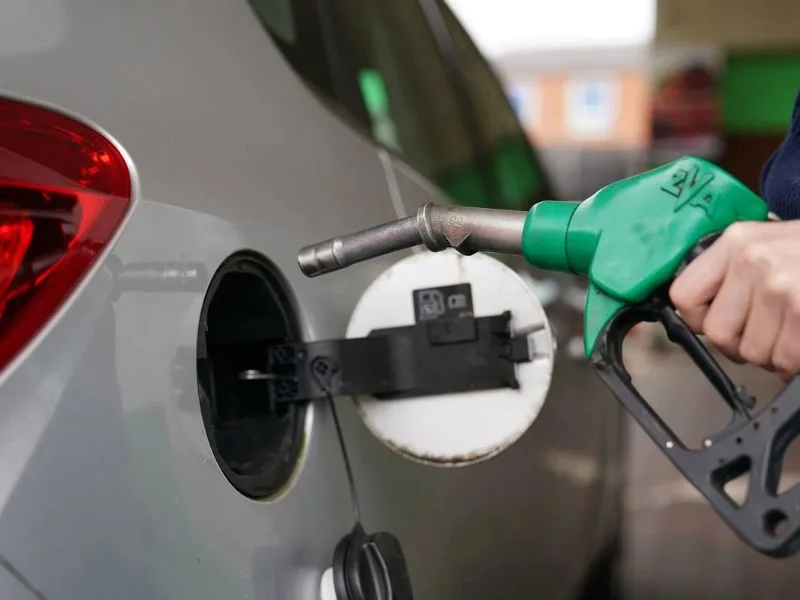
In his eagerly anticipated budget speech, Finance Minister Enoch Godongwana announced that the National Treasury will not increase the General fuel and Road Accident Fund levies for 2023.
Godongwana tabled his speech on Wednesday, saying there are no major tax proposals in this budget as tax revenue collection for 2022/2023 is expected to reach R1.69 trillion – exceeding the 2022 budget by an estimated R93.7 billion.
Based on his announcement, this means the General Fuel Levy will remain at 18% of the retail price, and the Road Accident Fund levy will remain at about 10%.
“To ease the impact of the electricity crisis on food prices, the refund on the Road Accident Fund levy for diesel used in the manufacturing process, such as for generators, will be extended to manufacturers of foodstuffs. This takes effect from 1 April 2023 for two years,” he said.
As things stand, the General Fuel Levy is currently placed at R3.94 per litre, and the RAF levy is at R2.18 per litre of 95 petrol (inland pricing).
Combining these prices, they add R6.12 to every litre of petrol and diesel sold in the country and Godongwana also unveiled diesel-related price relief for food manufacturers.
The national government attempted to bring some relief to motorists in 2022 by cutting the fuel levy by R1.50 per litre after Russia’s invasion of Ukraine, which saw fuel prices spike.
However, that temporary relief was only in place for a couple of months, being reduced by 75 cents per litre by the end of the year.
The February fuel price rose due to an increase in Brent crude oil prices, higher international prices for petroleum products, and the strengthening of the South African currency (the rand) against the US dollar.