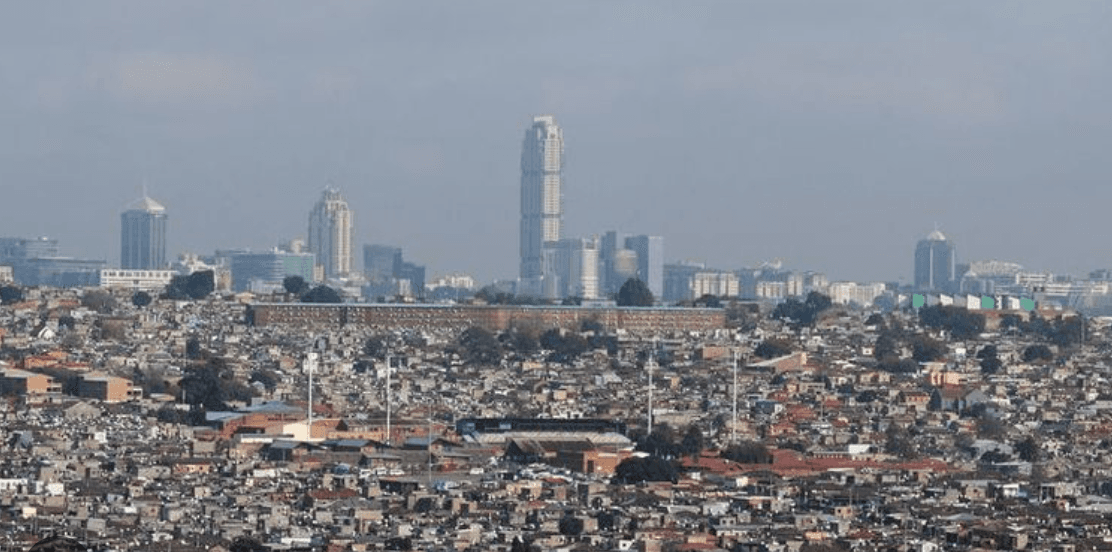
The Reserve Bank is preparing for a countrywide grid meltdown
The South African Reserve Bank (SARB) is planning for a national grid failure through the Financial Sector Contingency Forum (FSCF). While the central bank highlighted that a regional or national grid breakdown is improbable, it must investigate such systemic risks as part of its responsibility to ensure financial stability in the country. Since 2015, the
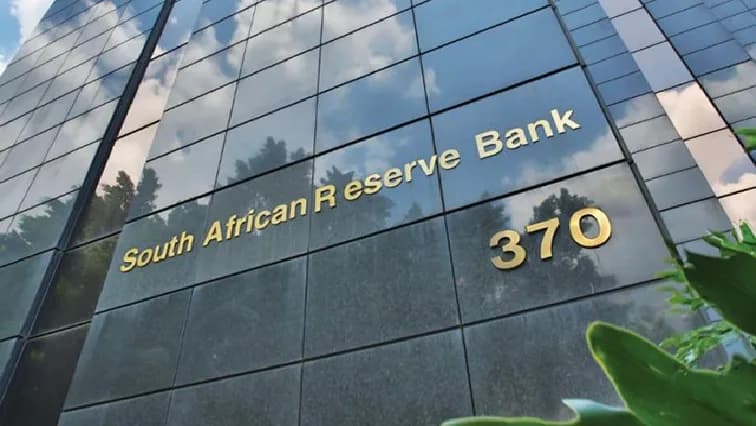
The Reserve Bank is preparing for a countrywide grid meltdown
The South African Reserve Bank (SARB) is planning for a national grid failure through the Financial Sector Contingency Forum (FSCF).
While the central bank highlighted that a regional or national grid breakdown is improbable, it must investigate such systemic risks as part of its responsibility to ensure financial stability in the country.
Since 2015, the bank has been creating plans to respond to a national or regional power outage, saying that the preparations are part of its responsibilities to assemble and test crisis management strategies.
“As part of these preparations, the FSCF has been in regular contact with Eskom, the petroleum industry and the telecommunications industry. The FSCF also conducts periodic crisis simulation exercises to test the financial sectors’ ability to respond to such shocks,” said the bank.
“Crisis management plans are typically based on a range of likely but low-probability scenarios, and the fact that a crisis management plan exists should not be interpreted as a signal that the SARB is anticipating specific scenario to materialise.”
According to the SARB, the FSCF was founded by then-governor Tito Mboweni following the 2001 September 11th terror attacks in the United States as a platform where industry and regulators could debate financial stability problems on a regular basis.
The FSCF has now been fully established under South African legislation and is now responsible with supporting authorities in detecting and managing risks that might jeopardise the country’s financial system’s operation and stability.
“Such risks include the possibility of terror attacks, disruptive cyberattacks, pandemics such as Covid-19 and interruptions of physical infrastructure such as water, telecommunications and electricity,” said the SARB.
“Summarily, the FSCF helps to test and enhance the financial system’s resilience to respond to any such shocks.”
The FSCF now includes government and financial sector heavyweights such as the SARB’s deputy governor, Kuben Naidoo, as chairman, and members from the National Treasury to the Financial Sector Conduct Authority, among others.
A nationwide power outage is not out of the question, with many experts warning that the situation in the country is worse than officials are letting on.
Professor Anton Eberhard of the University of Cape Town’s Graduate School of Commerce stated in late 2022 that if Eskom is unable to continuously fuel its diesel open cycle gas turbines, it might raise the probability of widespread system failure.
Notwithstanding Eberhard’s comments in November of last year, diesel procurement at power plants around the country remains a concern, while gas turbines designed to be used solely in emergency situations operate practically continually.
In January this year, energy analyst Chris Yelland added that the failing power utility Eskom exists “hand to mouth“, struggling to scrounge up a sufficient supply of diesel.
Eskom is currently developing contingency plans for stage 8 load shedding, when the country is already dealing with the worst load shedding in its history.
Andre de Ruyter, the utility’s CEO, stated that the threat of stage 8 load shedding is always present due to the grid’s substantial unreliability and limited capacity of 2,000 MW to manage system faults.
Nonetheless, he stated that grid failure is unlikely and that the entire purpose of load shedding was to prevent this from happening. He believes the country will not go beyond stage 8 load shedding, although the timetables are presently being examined, with some energy experts predicting a modification to stage 10.