Study shows AI-controlled geysers could cut 20 hours of load-shedding per month
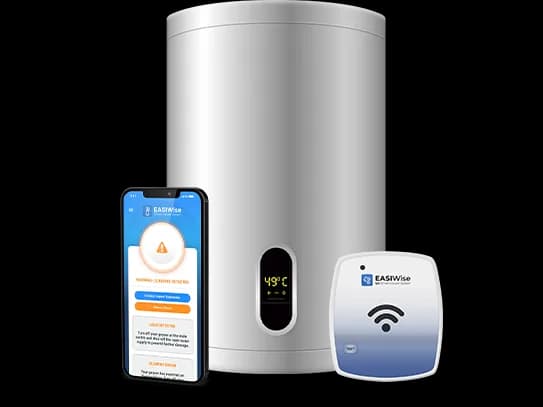
There is a high possibility that South African cities may be able to reduce the electricity outages if water heaters (geysers) powered by artificial intelligence were to be installed, a 30-month study has shown. Research by South African start-up Plentify showed that the installation of the devices that can automatically switch off to avoid consumption
Study-shows-AI-controlled-geysers-could-cut-20-hours-of-load-shedding-per-month
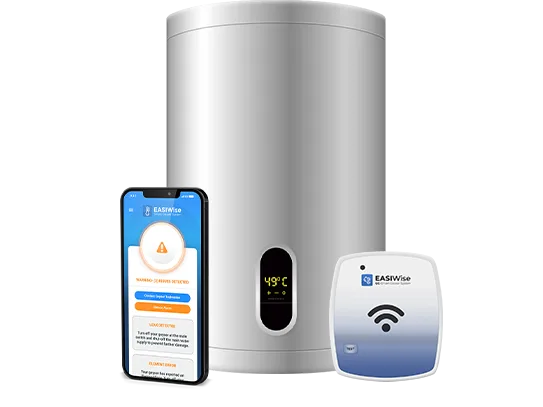
There is a high possibility that South African cities may be able to reduce the electricity outages if water heaters (geysers) powered by artificial intelligence were to be installed, a 30-month study has shown.
Research by South African start-up Plentify showed that the installation of the devices that can automatically switch off to avoid consumption at peak times and take advantage of solar power at the sunniest hours of the day in just a quarter of a city’s households, could possibly slash blackouts by 20 hours a month.
Plentify is run by a former head of Google’s energy business in Africa and has a former Tesla Inc. executive as an adviser, and it has carried out the study on 500 homes in Cape Town and the Western Cape province’s Hessequa municipality.
The study revealed that maximum demand from geysers, which can account for as much as half of household electricity usage, can possibly be reduced by 60%.
South Africans have regularly had to endure power outages of more than 10 hours a day over the past 12 months as the country’s ageing coal plants regularly break down.