Standard Bank's load shedding bill quadrupled Last year
Standard Bank claims that its fuel expenses to counteract load shedding have increased from R18 million in FY21 to R72 million in FY22. This was one of the primary reasons for its operating expenses and bank branches rising 9% in the most recent fiscal year, coupled with other increases in municipal taxes. On Thursday, the
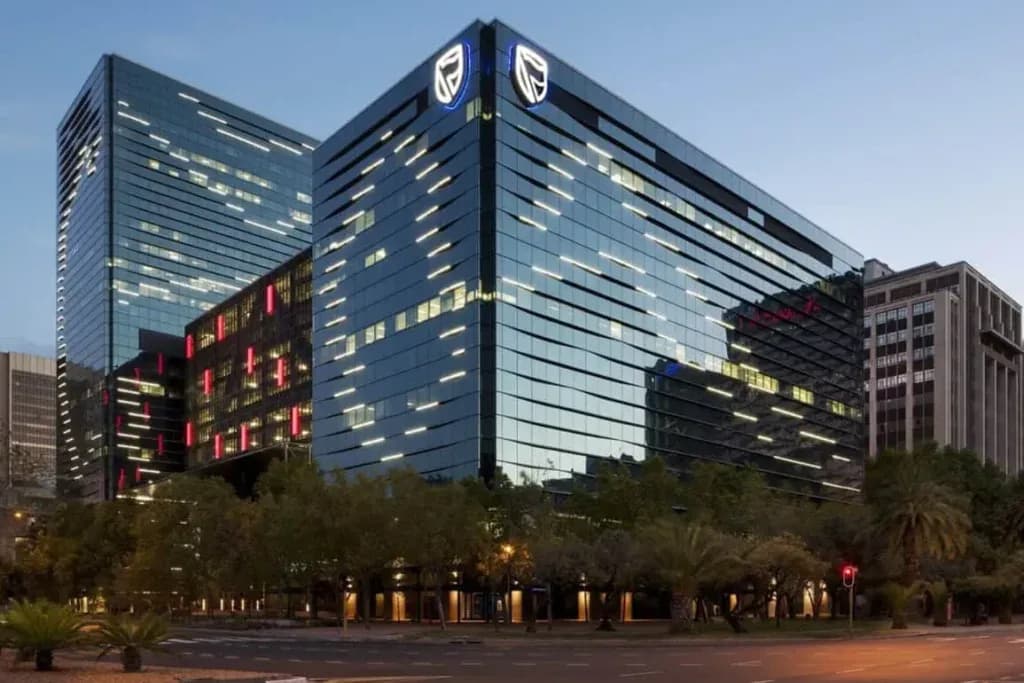
Standard Bank's load shedding bill quadrupled Last year
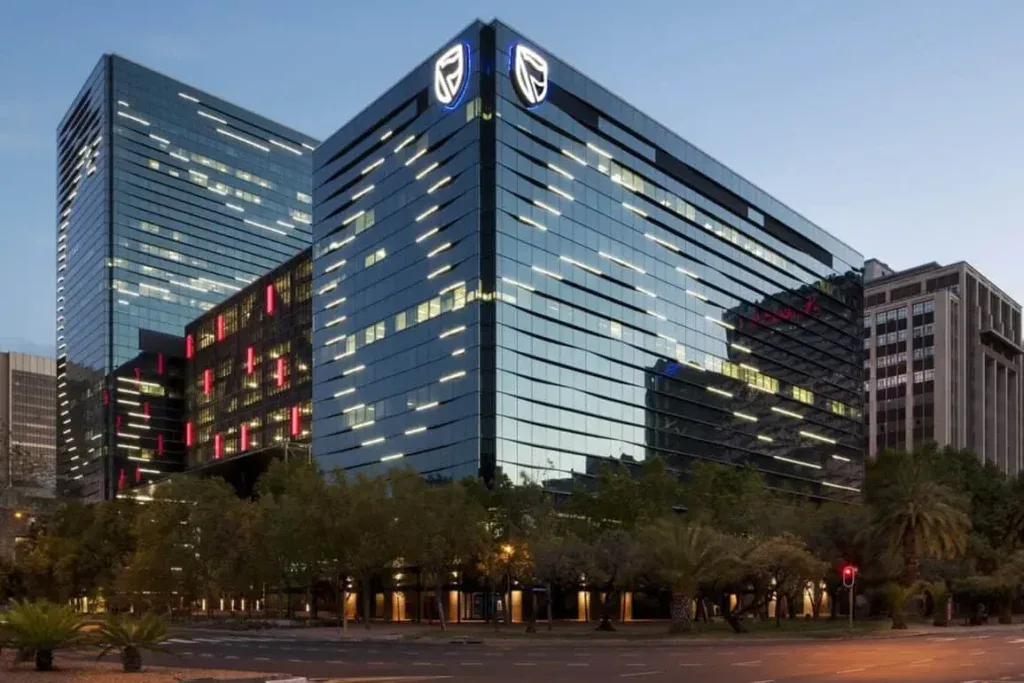
Standard Bank claims that its fuel expenses to counteract load shedding have increased from R18 million in FY21 to R72 million in FY22.
This was one of the primary reasons for its operating expenses and bank branches rising 9% in the most recent fiscal year, coupled with other increases in municipal taxes.
On Thursday, the bank released its financial results for the fiscal year ending December 2022, claiming excellent growth in its operations despite the country’s adverse conditions.
Overall income increased by 18% to R156.92 billion in 2021, from R132.72 billion, while headline profits per share increased by 33% to 2,087.1 cents (2021: 1,573).
Return on equity (ROE) increased to 16.4% (from 13.5% in FY21). The group’s net asset value increased by 10%, and the common equity tier 1 ratio concluded the current period at 13.5% (31 December 2021: 13.8%).
According to the company, the board of directors recommended a final dividend of 691 cents per share, resulting in a final dividend payout ratio of 60%.
Operational expenditures rose by 12%, which was less than the group’s weighted average inflation rate of 15%. The firm stated that cost rise was influenced by greater inflation in the organization’s operational areas as well as relative rand weakening.
Employee expenditures grew by 12% as a result of yearly wage increases, an increase in skilled workers, and greater performance-based incentive accruals.
IT expenditures climbed by 13%, owing mostly to increased spending on cloud migration and software licences.
The aforementioned increased municipal taxes and higher fuel-related expenditures for diesel raised premises costs by 9%.
The bank stated that its great expansion occurred in the midst of broader economic turbulence in 2022.
Increased geopolitical tensions, the Russia/Ukraine war, and China’s Covid-19-related limitations all contributed to inflation, uncertainty, heightened market volatility, and an asset price shock this year.
“Inflation concerns drove monetary policy tightening and higher funding costs weighed on economic activity,” it said. “The aftermath of the KwaZulu-Natal floods, increased electricity disruptions, and stalled structural reforms weighed on sentiment and demand.”
Consumers were particularly heavily hurt by the current circumstances. The repo rate rises, which totaled 325 basis points during the year, were both faster and larger than projected, and by year’s end, symptoms of stress had begun to show, according to the bank.
Going ahead, the bank stated that the issues are not likely to abate, although the outlook is mixed.
Monetary tightening is projected to moderate, but another 25 basis point rate hike is still anticipated before the middle of the year.
Inflation is predicted to reduce to 5.9% in the coming year, but the economy is expected to do poorly, and South Africa will also be greylisted by the Financial Action Task Force (FATF).
Standard Bank, echoing widespread market concerns, stated that load shedding and the power crisis are critical to South Africa’s prospects, and that any good progress will have to come from a resolution to the current energy constraints.
“The level of electricity disruptions experienced year to date are unprecedented. We are concerned about the additional strain it is likely to place on our clients,” the bank said.
“In South Africa, meaningful structural reform and an improvement in the electricity supply could lift confidence and accelerate economic growth, job creation and social upliftment.”