South Africa produces first-ever electric taxi
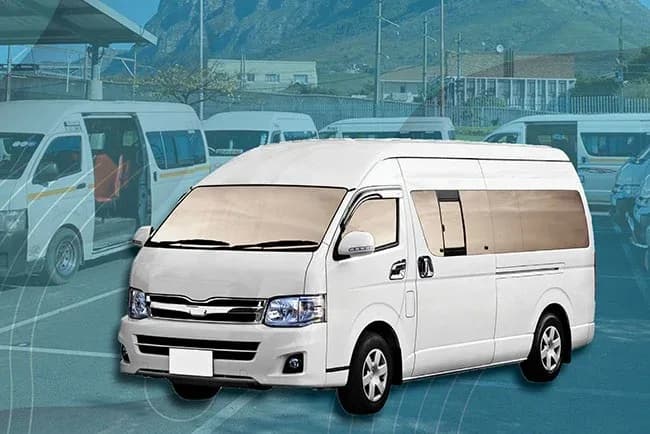
Even though South Africa is struggling with a major load-shedding crisis, but that doesn’t seem to be stopping its transition to green energy. A group from government-owned Stellenbosch University (SU) is currently testing what could become the country’s first-ever electric taxis. The expectation is for the taxis to travel for up to 120 kilometres before
South-Africa-produces-first-ever-electric-taxi
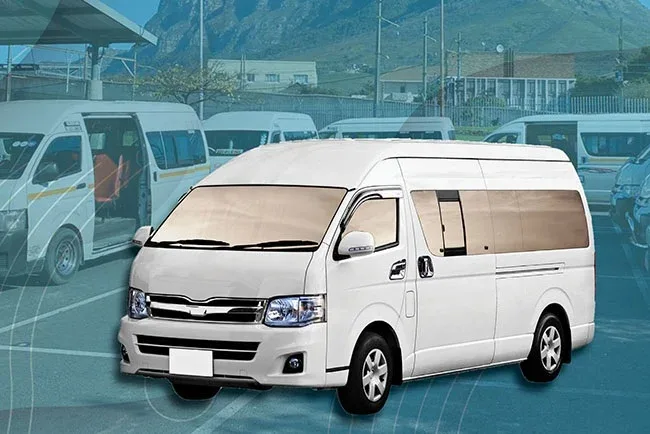
Even though South Africa is struggling with a major load-shedding crisis, but that doesn’t seem to be stopping its transition to green energy. A group from government-owned Stellenbosch University (SU) is currently testing what could become the country’s first-ever electric taxis.
The expectation is for the taxis to travel for up to 120 kilometres before needing a charge. They come with an electric motor power of 90 kWh alongside a battery capacity of 53.76 kWh.
In collaboration with Rham Equipment, the team from SU is working to convert a minibus taxi into an electric-powered one. As of now, the vehicle is in the road testing phase with performance testing scheduled immediately after.
Stephan Lacock, one of the group members revealed that they ejected the original internal combustion engine (ICE). Related equipment like the petrol tank, manual transmission, gas pipe, and radiator were also removed.
He mentioned to that the team with help from Rham Equipment built a “reproducible kit.” This kit comprises the main parts of the electric powertrain. They are: electric motor, inverter, charger, electronic control unit, and a single-speed reduction gearbox. Interestingly, the bus comes with regenerative braking, a feature that enables electric vehicles to improve their range during deceleration.
This is considered to be a long-term solution to climate change and many countries have jumped on the trend of building and deploying electric vehicles. In regards to electric taxis, Professor Thinus Booyesen of SU’s Industrial Engineering Department said that local manufacturers now have a chance to pursue electric vehicle production. This, he believes, would be done by opening more plants for this purpose.
Booysen acknowledged that South Africa must not be lagging in terms of electric vehicle transition. That could jeopardize thousands of jobs, he adds. He further states that both the automotive industry and government can’t “afford to sleep at the wheel.”
To shed more light on the group’s decision to work with the minibus, Booysen said: “More than 70% of the trips in South Africa are by minibus in the informal sector, which is why we are hoping to encourage the retrofitting of some of the 250 000 minibusses in the country with electric propulsion. These will be cheaper and much more environmentally friendly than new electric vehicles,”
With this initiative, the professor mentioned that he hopes to raise awareness about the kind of skills required for assembling electric vehicles locally. Making South Africans know about the environmental impact is also on his radar.