Shell wins legal case over Nigerian oil spill claims
On May 11, 2023, the UK Supreme Court ruled that residents of Nigeria's Niger Delta region could no longer file pollution claims against Shell following a massive oil spill more than a decade ago. Prior decisions that the claimants had not met the legal deadline for submitting their claims were upheld by the ruling. The
Shell wins legal case over Nigerian oil spill claims
On May 11, 2023, the UK Supreme Court ruled that residents of Nigeria’s Niger Delta region could no longer file pollution claims against Shell following a massive oil spill more than a decade ago. Prior decisions that the claimants had not met the legal deadline for submitting their claims were upheld by the ruling.
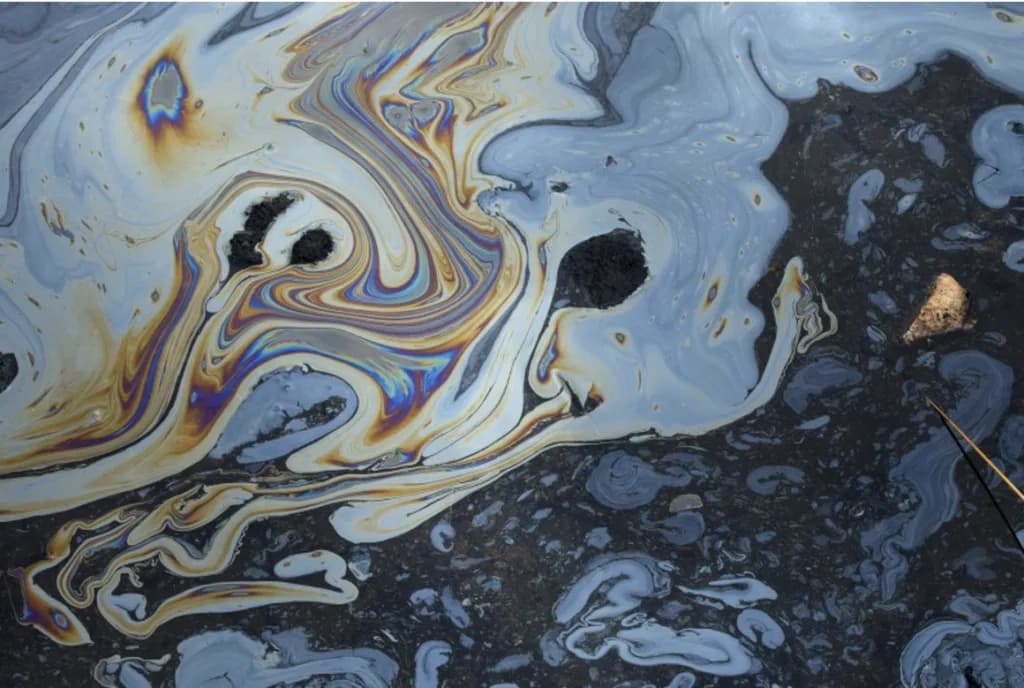
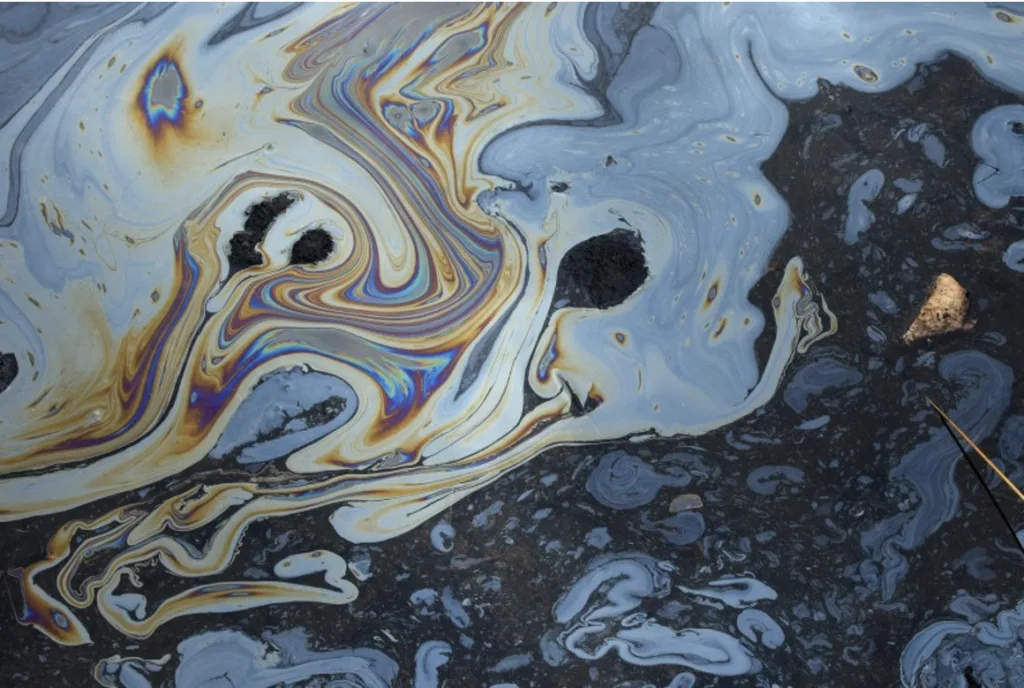
The claimants argued that the 2011 oil spill from the Bonga oilfield, which spilled 40,000 barrels of crude into the Gulf of Guinea, was a “continuing nuisance” and sought to appeal rulings from two lower courts. The Supreme Court, on the other hand, rejected these arguments, stating that the spill was a “one-time event or an isolated escape” that did not meet the legal definition of a continuing nuisance.
While acknowledging that the 2011 spill was one of the largest in Nigerian oil exploration history, the Supreme Court rejected claims that it had not been removed or cleaned up. The court’s decision has no bearing on a separate legal action against Shell for other spillages.
Shell applauded the Supreme Court’s decision, stating that it was clear from the start that the claims were unfounded and brought entirely out of time. The spill was “highly regrettable,” according to a Shell spokesperson, but it was quickly contained and cleaned up offshore.
When contacted by AFP, lawyers for the claimants declined to comment.
For decades, Nigeria, Africa’s largest crude oil producer, has struggled with oil spills. Following a Supreme Court ruling in February 2021 that more than 50,000 people in the Niger Delta region could file pollution claims in English courts, Shell is facing a separate ongoing legal case in the United Kingdom. The decision overturned a 2017 decision against the Ogale and Bille communities, who had filed legal claims for clean-up and compensation after decades of repeated spills in the crude-rich region.
The legal battles in Nigeria over oil spills highlight the ongoing conflict between multinational corporations and the local communities affected by their operations. Oil exploration and production have caused significant environmental damage in the Niger Delta region, resulting in serious health consequences for residents and devastating effects on the region’s ecosystem.
While the legal system allows impacted communities to seek justice and compensation, the high burden of proof and lengthy legal processes can make access to justice difficult for individuals and communities. Furthermore, multinational corporations frequently have significant resources and legal expertise, allowing them to contest claims and postpone legal proceedings.
Efforts to address the environmental and social impacts of oil exploration and production in Nigeria require more than just legal action. Governments, civil society organisations, and corporations must collaborate to create long-term, equitable solutions that protect the environment while also promoting the well-being of local communities. This includes funding initiatives to reduce reliance on fossil fuels, promoting responsible business practises, and assisting impacted communities in developing resilience and adaptability to environmental and social change.