
Ramaphosa and Dlamini-Zuma react to state of disaster concerns
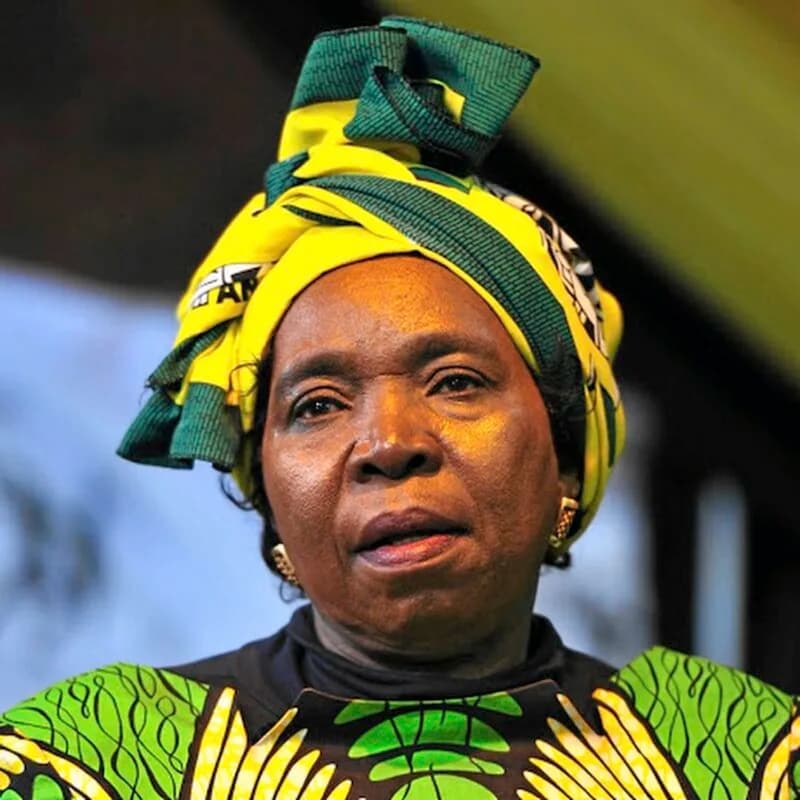
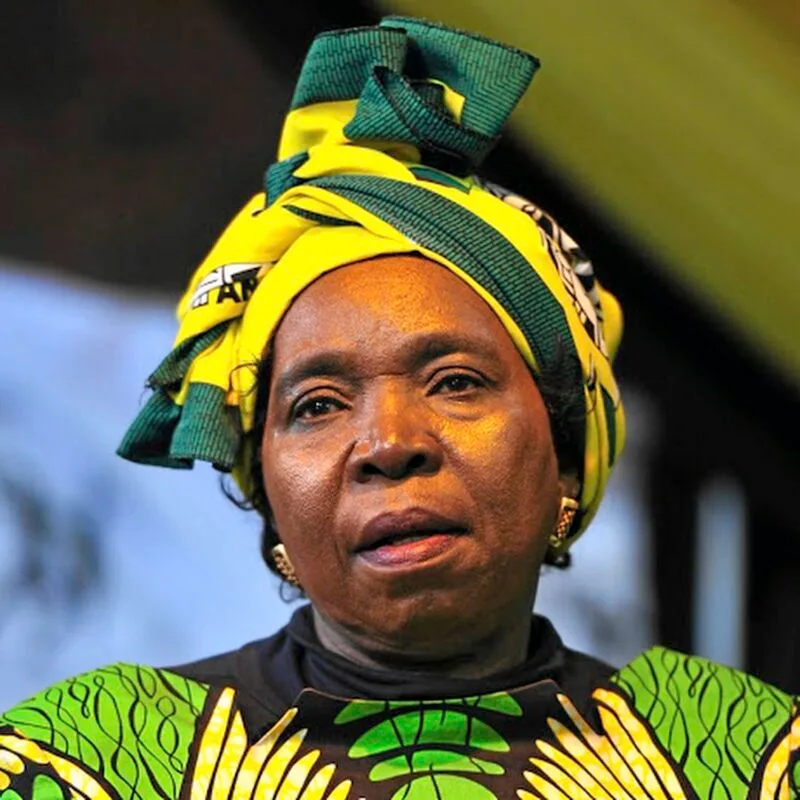
South African President Cyril Ramaphosa and Minister of Cooperative Governance and Traditional Affairs Nkosazana Dlamini-Zuma have stated that South Africans should not be concerned about the disaster declaration made yesterday, 9 February. Dlamini-Zuma, whose department is in charge of the state of disaster response, told 702 that South Africans need not be concerned about the
Ramaphosa and Dlamini-Zuma react to state of disaster concerns
South African President Cyril Ramaphosa and Minister of Cooperative Governance and Traditional Affairs Nkosazana Dlamini-Zuma have stated that South Africans should not be concerned about the disaster declaration made yesterday, 9 February.
Dlamini-Zuma, whose department is in charge of the state of disaster response, told 702 that South Africans need not be concerned about the state of disaster since it just seeks to minimise the period of load shedding, not limit people’s rights.
She went on to say that the state of disaster will deal with issues that are difficult to resolve under present legislation. According to the minister, the state of disaster will allow the state to avoid red tape that previously slowed development.
Dlamini-Zuma further stated that load shedding has a wide-ranging impact on society, including food and water security, justifying the drastic action.
Meanwhile, Rampahosa stated that the newly appointed electricity minister will work “hands-on” with Eskom’s board and management.
Ramaphosa stated that the minister would remain anchored in his job since the people of South Africa have entrusted him with the task of resolving load shedding.
He went on to say that criticism of the state of disaster is misguided and that all South Africans should instead concentrate on load shedding.
In an interview with eNCA, the president dismissed the concept that the disaster may result in a “super presidency” by putting everything inside or under the office of the presidency.
He stated that the presidency is the centre of government and that it is the president’s role to monitor the administration. He also stated that the concept of a super presidency is a misconception.
“What the presidency has been able to do, is to coordinate the functions of government and to get the cooperative governance system and process to resolve many of over challenges. For instance, the reforms that we’ve been attending to have been really driven through the presidency and treasury. And that has really benefitted our country and our economy.”
Concerns
Despite Dlamini-Zuma and Ramaphosa’s efforts to assuage fears, civil society, business, and political parties remain unconvinced by the condition of the crisis or the appointment of an electrical minister.
“We do not believe that a state of disaster will cure the government’s inability to address the crisis. It will not make previously inept officials and ministers suddenly competent and willing to do their jobs,” civil action group Outa said.
The inclusion of an electricity minister, according to Yael Geffen, CEO of Lew Geffen Sotheby’s International Realty, significantly bloats the government and raises the public sector salary cost.
Meanwhile, the Democratic Alliance warned that a state of disaster may allow for more political corruption and plunder. The opposing party has stated that it would take the idea to court.
Solidarity, a trade union, expressed similar feelings to the DA and plans to file its own legal challenge against the status of disaster.
The DA said on Friday (10 February) that, in addition to contesting the national state of disaster, it has written to the Judge President of the Supreme Court of Appeal requesting an urgent court date to hear its current constitutional challenge against Section 27 of the Disaster Management Act.
Since 2021, the DA has been attempting to have Section 27 of the DMA declared unconstitutional since it gives Parliament no formal or direct oversight of decisions made under the Act while transferring considerable legislative powers to the national government for prolonged periods of time.
“Section 27 as it stands, gives Dlamini-Zuma extensive power to declare a State of Disaster without tabling it in Parliament and does not compel her to provide reasons for regulations made and directions issued under such a declaration,” the party said.
“Worst of all, Dlamini-Zuma, and not Parliament, has the power to authorise the extensions of a national state of disaster. Basically, Dlamini-Zuma becomes a law unto herself.”